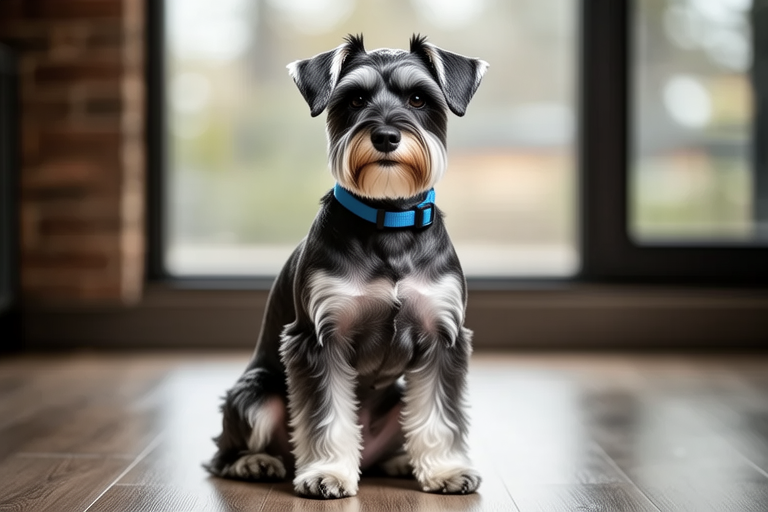
Schnauzer Training Tips for First-Time Pet Owners
Welcome to the world of Schnauzer ownership! These intelligent, energetic dogs are known for their distinctive beards and mustaches, but they also come with unique training needs. Whether you’re a first-time pet owner or a seasoned handler, this guide will help you understand the essentials of training your Schnauzer. We’ll cover everything from basic commands to grooming tips, ensuring your Schnauzer becomes a well-behaved, happy companion.
Understanding Schnauzers: The Basics
Schnauzers are versatile dogs, bred originally as working dogs. They are alert, brave, and loyal, making them excellent family pets. However, their intelligence can sometimes lead to stubbornness if not properly managed. It’s crucial to start training early and consistently to ensure a smooth relationship with your Schnauzer.
Essential Training Methods for Schnauzers
Training a Schnauzer requires patience and consistency. Positive reinforcement is key; rewarding good behavior with treats, praise, or playtime can encourage your dog to repeat the desired actions. Here are some basic training methods:
- Clicker Training: This method uses a clicker to mark the exact moment your Schnauzer performs a desired action. Follow the click with a treat to reinforce the behavior.
- Leash Training: Teach your Schnauzer to walk calmly beside you without pulling on the leash. Use a harness instead of a collar to avoid neck strain.
- Recall Training: Teaching your Schnauzer to come when called is vital for safety. Start in a quiet area, gradually increasing the difficulty level.
Common Challenges Faced by First-Time Owners
First-time pet owners often encounter several challenges:
- Housebreaking: Schnauzers can be difficult to housebreak due to their independent nature. Establish a consistent schedule for feeding and bathroom breaks.
- Barking: Schnauzers are known for their vocal tendencies. Teach your dog the “quiet” command to reduce excessive barking.
- Chewing: Provide appropriate chew toys to redirect your Schnauzer’s chewing habits away from household items.
Advice on Socialization
Socializing your Schnauzer is crucial for their development into a well-adjusted adult dog. Expose them to various environments, people, and other animals from a young age. This helps prevent fear-based aggression and makes them more adaptable. Join local dog parks or obedience classes to provide safe socialization opportunities.
Basic Commands Every Schnauzer Should Know
Teaching your Schnauzer basic commands is essential for effective communication and safety:
- Stay: Begin in a quiet environment, giving your Schnauzer the command while holding a treat. Gradually increase the time and distance.
- Leave It: Place a treat in your closed hand and say “leave it.” When your Schnauzer stops trying to get the treat, open your hand and give them another treat as a reward.
- Drop It: Encourage your Schnauzer to pick up a toy and then give the command “drop it.” Reward them when they release the item.
Grooming Tips for Schnauzers
Schnauzers have a double coat that requires regular grooming to maintain their appearance and prevent matting. Here are some grooming tips:
- Bathing: Bathe your Schnauzer every few months or as needed. Use a mild shampoo and ensure thorough rinsing to prevent skin irritation.
- Hair Trimming: Regular haircuts are necessary to keep your Schnauzer looking neat. Consider professional grooming services if you’re unsure about handling the task yourself.
- Brushing: Brush your Schnauzer’s coat daily to remove loose hair and prevent matting. Pay special attention to their beard and legs.
Health Considerations for Schnauzers
Schnauzers are generally healthy dogs, but they can be prone to certain health issues:
- Allergies: Some Schnauzers may develop allergies to food or environmental factors. Consult your veterinarian for appropriate treatment options.
- Dental Health: Maintain your Schnauzer’s dental hygiene by brushing their teeth regularly and providing dental chews.
- Joint Care: Schnauzers can be susceptible to joint problems. Keep them at a healthy weight and provide joint supplements if recommended by your vet.
Establishing a Routine for Your Schnauzer
A consistent routine is essential for your Schnauzer’s well-being. Establish a daily schedule for feeding, exercise, and potty breaks. This predictability helps reduce anxiety and promotes better behavior. Incorporate mental stimulation through puzzle toys or interactive games to keep your Schnauzer engaged.
Real-World Applications: Success Stories
Many Schnauzer owners have successfully trained their dogs using these methods. For example, Sarah, a first-time owner, struggled with her Schnauzer’s barking initially. By implementing the “quiet” command and offering treats as rewards, she was able to significantly reduce the frequency and intensity of her Schnauzer’s barking. Another owner, John, found that regular walks and play sessions helped his Schnauzer stay calm and well-behaved throughout the day.
Conclusion
Raising a Schnauzer can be a rewarding experience, but it requires dedication and effort. By understanding your Schnauzer’s unique traits, employing positive training methods, and addressing common challenges, you can ensure a harmonious relationship. Remember, every Schnauzer is different, so tailor your approach to suit your dog’s individual needs. With patience and love, you’ll have a well-behaved, happy companion for years to come.
