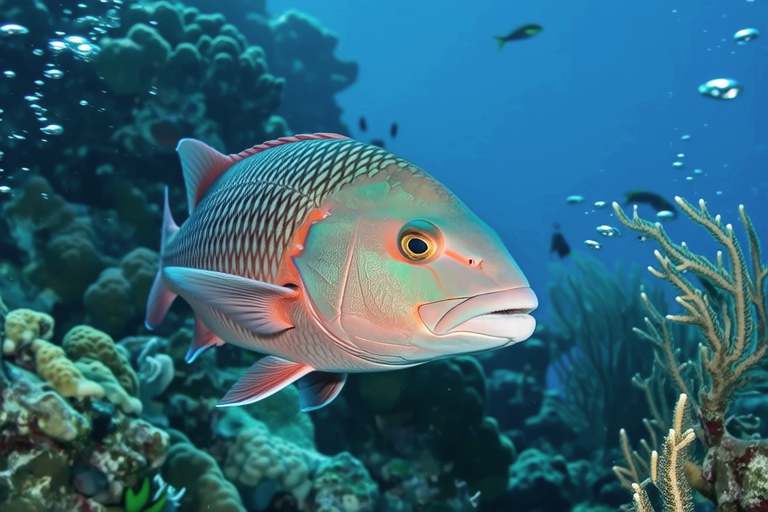
Parrot Fish: The Secret Guardians of Ocean Health and Beauty
Introduction:
Imagine a vibrant underwater world where colorful creatures dance gracefully through the waves, each playing a vital role in maintaining the delicate balance of marine ecosystems. Among these remarkable beings are parrot fish, whose striking appearance and unique behaviors have captured the hearts and minds of divers and marine biologists alike. These captivating fish, known for their bright hues and beak-like mouths, are more than just eye candy; they are essential guardians of ocean health and beauty.
Parrot fish are found in tropical and subtropical waters across the globe, thriving in the warm, sunlit regions of the ocean. Their diverse species range from small, shy individuals to large, bold fish that can reach lengths of over one meter. With their distinctive, beak-like teeth, parrot fish play a crucial role in maintaining the health and beauty of coral reefs, which are some of the most biodiverse ecosystems on Earth. This article delves into the fascinating world of parrot fish, exploring their contributions to ocean health and the challenges they face in our changing environment.
The Role of Parrot Fish in Coral Reef Maintenance
Coral reefs are often referred to as the “rainforests of the sea,” teeming with life and supporting thousands of species. Parrot fish are key players in the upkeep of these underwater oases. By grazing on algae that grow on coral surfaces, they prevent overgrowth and promote the growth of healthy coral colonies. This process, known as bioerosion, is essential for the survival of coral reefs.
When parrot fish feed, they bite off pieces of coral and grind them up with their powerful jaws. As they digest the coral, they excrete fine sand, contributing to the formation of sandy beaches along coastlines. In fact, it is estimated that a single parrot fish can produce up to 90 kilograms of sand per year. This natural recycling process not only benefits the coral reefs but also plays a significant role in shaping the coastal landscapes we admire.
Moreover, the grazing behavior of parrot fish helps to maintain the balance between coral and algae. Without their intervention, algae could smother and outcompete corals, leading to the degradation of entire reef systems. By keeping algae in check, parrot fish ensure that coral has the space and resources it needs to thrive, thus preserving the intricate web of life that depends on these fragile ecosystems.
Algae Control and Its Impact on Marine Biodiversity
One of the most critical roles parrot fish play in marine ecosystems is controlling the growth of algae. Algae are photosynthetic organisms that can quickly multiply under favorable conditions, potentially overwhelming other forms of marine life. Parrot fish act as nature’s gardeners, meticulously removing excess algae from coral reefs and other areas.
By preventing algal blooms, parrot fish create healthier environments for a wide variety of marine species. Many fish, invertebrates, and microorganisms rely on the complex structure of coral reefs for shelter, food, and breeding grounds. When algae are kept in check, the diversity of life within these ecosystems remains high, ensuring a balanced and thriving marine community.
In addition to their direct impact on algae, parrot fish also influence the nutrient cycling within coral reefs. As they consume algae, they release nutrients back into the water, which can stimulate the growth of other organisms. This nutrient-rich environment supports a diverse array of marine life, further enhancing the overall health and resilience of the ecosystem.
The Impact of Parrot Fish Activities on Marine Biodiversity
The activities of parrot fish extend beyond simply maintaining coral reefs and controlling algae. Their feeding habits and excretion processes have far-reaching effects on marine biodiversity. By creating a mosaic of different habitats within coral reefs, parrot fish provide a range of niches for other species to inhabit.
For example, the areas where parrot fish have grazed tend to have higher levels of light penetration, which can attract certain types of plankton and small fish. These smaller organisms, in turn, become prey for larger predators, creating a cascade of interactions that benefit the entire ecosystem. Additionally, the fine sand produced by parrot fish provides substrate for the settlement of various marine organisms, including juvenile fish and invertebrates.
The presence of parrot fish also influences the behavior of other species within the reef. For instance, some fish may follow parrot fish to take advantage of the algae-rich areas they expose. Others may use the cleared spaces for nesting or spawning. This interdependence highlights the integral role parrot fish play in shaping the structure and dynamics of coral reef communities.
Threats Facing Parrot Fish and Conservation Efforts
Despite their vital role in maintaining ocean health, parrot fish face numerous threats that jeopardize their populations and the ecosystems they support. Overfishing, habitat destruction, and climate change are among the most pressing challenges they encounter.
Overfishing, driven by the demand for parrot fish meat and their vibrant colors in the aquarium trade, has led to significant declines in many parrot fish populations. Some species are now considered vulnerable or endangered, raising concerns about the future of coral reefs and the marine biodiversity they support. Habitat destruction, particularly from coastal development and pollution, further exacerbates the problem by reducing the available space for parrot fish to live and reproduce.
Climate change poses another major threat to parrot fish and the coral reefs they call home. Rising sea temperatures can cause coral bleaching, a phenomenon where corals expel the symbiotic algae living in their tissues, turning white and often dying. Without healthy coral reefs, parrot fish lose their primary habitat and food source, leading to population declines and disruptions in marine ecosystems.
To address these challenges, conservation efforts are underway to protect parrot fish and the ecosystems they maintain. Marine protected areas (MPAs) are being established to limit fishing activities and allow parrot fish populations to recover. Additionally, sustainable fishing practices and stricter regulations on the aquarium trade are being implemented to reduce pressure on wild populations.
Educational initiatives and public awareness campaigns also play a crucial role in promoting the importance of parrot fish conservation. By informing people about the vital role these fish play in ocean health, we can inspire action and foster a greater appreciation for marine biodiversity. Community-based conservation programs, involving local fishermen and stakeholders, are essential for ensuring the long-term success of these efforts.
Conclusion
Parrot fish are more than just beautiful and fascinating creatures; they are indispensable guardians of ocean health and beauty. Through their unique feeding habits and interactions with their environment, they help maintain the delicate balance of coral reefs, control algae growth, and support marine biodiversity. However, their populations are under threat from overfishing, habitat destruction, and climate change.
Conservation efforts are vital to ensure the continued existence of parrot fish and the ecosystems they support. By protecting these remarkable fish and the coral reefs they call home, we can safeguard the health and beauty of our oceans for generations to come. Let us work together to preserve the vibrant underwater world and its secret guardians, the parrot fish.
