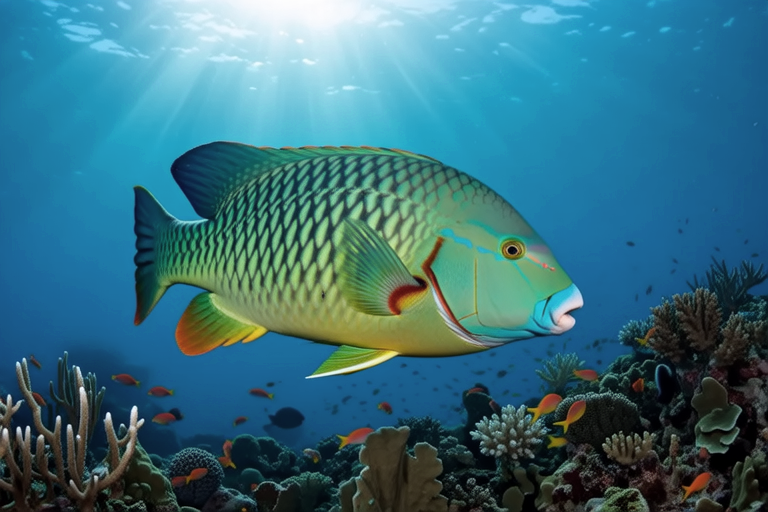
Top 10 Fascinating Facts About the Colorful Parrot Fish You Didn’t Know
The parrot fish is one of the most vibrant and intriguing creatures that inhabit our oceans. Known for their striking colors and peculiar behaviors, these fish have captivated the imagination of both scientists and casual observers alike. Here are ten fascinating facts about parrot fish that will deepen your appreciation for these unique marine inhabitants.
1. Diverse Colors and Patterns
Parrot fish are renowned for their dazzling array of colors and patterns, ranging from bright yellows and oranges to deep purples and blues. These vibrant hues serve multiple purposes, including camouflage and communication within their social groups. The exact reasons behind their colorful displays remain a subject of scientific interest, but it’s believed that these colors help them blend into the coral reefs they call home, making them less visible to predators. Additionally, these vivid colors may play a role in attracting mates or establishing dominance within their community.
2. Architects of the Coral Reefs
Parrot fish are considered unsung heroes of the coral reef ecosystem. As they feed on algae that grow on coral, they inadvertently aid in maintaining the health of the reef. Their feeding habits contribute to the recycling of calcium carbonate, a key component of coral skeletons. By grazing on algae and excreting sand, parrot fish indirectly support the growth of new coral and the overall resilience of the reef. This makes them vital contributors to the ecological balance of their environment.
3. Unique Feeding Mechanism
One of the most remarkable aspects of parrot fish is their feeding apparatus. They possess beak-like jaws lined with rows of teeth, which they use to scrape algae off rocks and coral. These specialized teeth are so strong that they can even grind through coral itself. After consuming the algae, the fish digest it and excrete fine sand particles. This process is crucial for the formation of beaches and islands in tropical regions. It’s estimated that a single large parrot fish can produce up to 90 kilograms of sand per year.
4. Secretive Sleepers
Parrot fish have a unique approach to sleep that helps protect them from nocturnal predators. Before settling down for the night, they create a mucous cocoon by secreting a mucus envelope around themselves. This protective layer acts as a barrier against parasites and predators, and it also masks their scent, making it harder for predators to detect them. This behavior showcases the parrot fish’s ingenuity in adapting to its environment to ensure survival.
5. Gender Benders
Parrot fish exhibit a fascinating trait known as sequential hermaphroditism. Most species start their lives as females and later transition into males, a process that can occur at different stages of their lifecycle depending on the species. This change is often triggered by environmental factors, such as population density or the presence of dominant males. This ability to change gender allows parrot fish populations to maintain a healthy reproductive balance, even in fluctuating conditions.
6. Social Dynamics
Parrot fish are highly social creatures, often living in large groups called schools. These schools can vary in size, sometimes numbering in the hundreds. Within these groups, there is a clear hierarchy, with dominant males leading smaller harems of females. Interestingly, the dominant male is usually the most colorful member of the group, using his vibrant appearance to attract females and intimidate rivals. This social structure plays a crucial role in the breeding success of the species.
7. Camouflage Artists
In addition to their daytime colors, parrot fish are also adept at changing their appearance to blend in with their surroundings. During the day, they display bright colors, but at night, they shift to more muted tones, helping them avoid detection by predators. This ability to alter their appearance is part of a broader range of adaptive behaviors that allow them to thrive in their complex marine environments.
8. Nighttime Transformation
Parrot fish undergo a dramatic transformation when they enter their resting state. Not only do they secrete a protective mucus cocoon, but they also physically alter their appearance. Some species develop a dark, almost black coloration during this period, which helps them better blend into the shadows of the ocean floor. This nighttime transformation is just another example of how adaptable and resourceful these fish are.
9. Sound Makers
While parrot fish are known for their visual allure, they also have a surprising auditory aspect. Certain species produce sounds that can be heard underwater, especially during mating season. These sounds, which range from grunts to whistles, are thought to play a role in communication between individuals, particularly in attracting mates or establishing territories. Researchers are still exploring the full extent of these vocalizations and their impact on parrot fish behavior.
10. Cultural Significance
Parrot fish hold significant cultural importance in many coastal communities. In some parts of the world, they are considered symbols of good fortune and are featured in local folklore and art. Their striking appearance has made them popular subjects for artists and photographers, contributing to their global recognition. Additionally, in certain regions, parrot fish are valued for their meat and are sustainably harvested, providing economic benefits to local fishermen.
These ten facts highlight the extraordinary nature of parrot fish, showcasing their vital role in marine ecosystems, their unique adaptations, and their cultural significance. Whether you’re a marine biology enthusiast or simply someone who appreciates the wonders of the natural world, parrot fish offer a wealth of fascination and inspiration.
