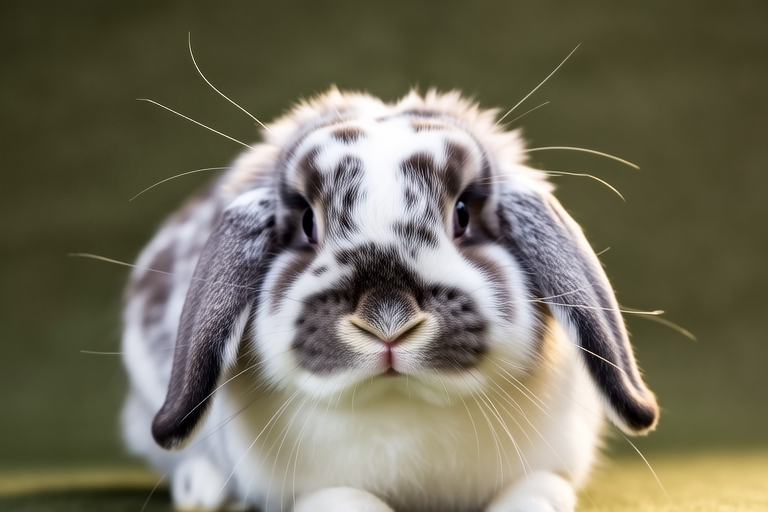
Adorable Fluffy Friends: All About Lop Rabbits
Welcome to the wonderful world of lop rabbits! These charming creatures have captured the hearts of many pet lovers with their unique appearance and gentle nature. If you’re considering adding a lop rabbit to your family or just want to learn more about these adorable fluffy friends, this article is for you. We’ll explore their physical traits, temperament, care requirements, common health issues, diet, and suitable living environments. By the end, you’ll be well-equipped to provide the best care for your new furry companion.
The Unique Physical Traits of Lop Rabbits
Lop rabbits are easily recognizable by their long, drooping ears that hang down by their faces. There are several breeds within the lop category, each with its own distinct features. The most popular types include the English Lop, French Lop, and Holland Lop. The English Lop is known for its exceptionally long ears, which can grow up to 24 inches in length. The French Lop, on the other hand, is a larger breed with shorter ears, while the Holland Lop is the smallest of the three, making it a favorite among apartment dwellers.
In addition to their distinctive ears, lop rabbits come in various colors and patterns. Their soft, dense fur requires regular grooming to prevent matting and keep them looking their best. Regular brushing also helps remove loose hair and reduces the risk of hairballs, especially during shedding seasons.
The Gentle Temperament of Lop Rabbits
One of the reasons lop rabbits are so beloved is their sweet and docile temperament. They are generally calm and patient, making them excellent companions for children and adults alike. Lop rabbits enjoy human interaction and can form strong bonds with their owners. However, like all animals, they require time and patience to acclimate to new environments and people. Early socialization is key to ensuring your lop rabbit is comfortable and happy in its home.
It’s important to handle your lop rabbit gently and with care. Their drooping ears are delicate and can be injured if handled roughly. Always support their body when lifting them to avoid putting strain on their spines. With proper handling and attention, your lop rabbit will become a loving and loyal pet.
Care Requirements for Lop Rabbits
Providing the right care for your lop rabbit is essential for their overall health and happiness. A spacious, clean environment is crucial for their wellbeing. Lop rabbits need plenty of room to move around, play, and exercise. A large cage or hutch with a solid floor is ideal, as wire flooring can cause discomfort and injury to their sensitive feet. Additionally, make sure the enclosure is safe from drafts and has good ventilation.
Rabbits are naturally curious and playful, so providing toys and activities will help keep your lop rabbit entertained and mentally stimulated. Chew toys, tunnels, and hay balls are great options for keeping them engaged. Rotate toys regularly to prevent boredom and encourage exploration.
Regular grooming is another important aspect of caring for your lop rabbit. As mentioned earlier, their long fur requires frequent brushing to prevent matting and tangles. Use a slicker brush or comb to gently work through their coat, paying special attention to areas prone to knots, such as behind the ears and under the tail. Bathing should only be done as a last resort, as rabbits can become stressed by water and may develop respiratory issues if they get too wet.
Common Health Issues in Lop Rabbits
Like all pets, lop rabbits are susceptible to certain health issues. One of the most common problems is dental disease, which can occur due to improper diet or genetics. Signs of dental issues include difficulty eating, drooling, and weight loss. To prevent dental problems, ensure your lop rabbit has access to unlimited fresh hay, which helps wear down their teeth naturally. Regular veterinary check-ups are also recommended to catch any potential issues early.
Another concern for lop rabbits is ear infections, particularly in breeds with longer, drooping ears. These infections can be caused by bacteria, fungi, or mites. Symptoms include redness, swelling, discharge, and head shaking. If you notice any signs of infection, consult your veterinarian immediately for appropriate treatment. Keeping your lop rabbit’s ears clean and dry can help prevent these issues.
Spaying or neutering your lop rabbit is highly recommended, not only for population control but also for health benefits. Spayed females have a lower risk of developing uterine cancer, while neutered males are less likely to exhibit aggressive behavior. Discuss spaying or neutering with your veterinarian to determine the best time for the procedure based on your lop rabbit’s age and health.
Dietary Needs of Lop Rabbits
A balanced diet is crucial for maintaining your lop rabbit’s health and energy levels. The foundation of their diet should consist of unlimited access to high-quality timothy hay or grass hay. Hay provides essential fiber, aids digestion, and helps maintain dental health. Fresh vegetables and leafy greens should also be offered daily, but in moderation. Good choices include romaine lettuce, spinach, kale, and parsley. Avoid feeding iceberg lettuce, as it lacks nutritional value and can cause digestive issues.
In addition to hay and vegetables, you can offer a small amount of commercial rabbit pellets designed for adult rabbits. Pellets should be offered in limited quantities to avoid overfeeding. Treats should be given sparingly, as excessive treats can lead to obesity and other health problems. Safe treat options include small pieces of fruit, such as apple slices or blueberries, and occasional commercial rabbit treats.
Always provide fresh, clean water at all times. Water can be offered in a sipper bottle or a heavy bowl to prevent tipping. Check the water source frequently to ensure it remains clean and free of debris.
Suitable Living Environments for Lop Rabbits
Creating a safe and comfortable living environment for your lop rabbit is essential for their happiness and health. The size and type of enclosure depend on the specific needs of your rabbit. For indoor rabbits, a large cage or playpen with a solid floor is recommended. The cage should be at least four times the length of your lop rabbit when stretched out. Providing multiple levels or platforms can also enhance their living space.
If you have outdoor space, a secure hutch or run can provide additional freedom for your lop rabbit. Ensure the hutch is weatherproof, predator-proof, and well-ventilated. Outdoor enclosures should be placed in a shaded area to protect your rabbit from direct sunlight and heatstroke. Consider adding a small shelter within the hutch for extra protection during inclement weather.
No matter where your lop rabbit lives, it’s important to provide ample space for exercise and play. Daily supervised time outside of their enclosure allows them to stretch their legs, explore, and interact with their surroundings. This is especially important for indoor rabbits, as they may not have as much opportunity for movement otherwise.
Tips for Potential Owners
If you’re thinking about adopting a lop rabbit, here are some tips to help you prepare:
- Research Breeds: Familiarize yourself with different lop rabbit breeds to choose one that best suits your lifestyle and living situation.
- Find a Reputable Breeder: Look for a breeder who prioritizes the health and wellbeing of their rabbits. Ask questions about the breeding process, health checks, and any available documentation.
- Prepare Your Home: Set up a comfortable living space before bringing your lop rabbit home. Have necessary supplies, such as bedding, food, and toys, ready and waiting.
- Seek Veterinary Care: Find a veterinarian experienced in treating rabbits and schedule an initial check-up to ensure your new pet is healthy.
- Patience and Consistency: Remember that bonding and training take time. Be patient and consistent with handling and training to build a trusting relationship with your lop rabbit.
By following these tips and learning about the unique needs of lop rabbits, you’ll be well-prepared to welcome one of these adorable fluffy friends into your home. With proper care and attention, your lop rabbit will bring joy and companionship for years to come.
Whether you’re a seasoned rabbit owner or new to the world of pet rabbits, lop rabbits offer a delightful and rewarding experience. Their unique appearance, gentle nature, and affectionate personalities make them cherished members of many families. By understanding their specific needs and providing the care they deserve, you can ensure your lop rabbit leads a happy and healthy life. So why not consider adding one of these charming creatures to your family today?
