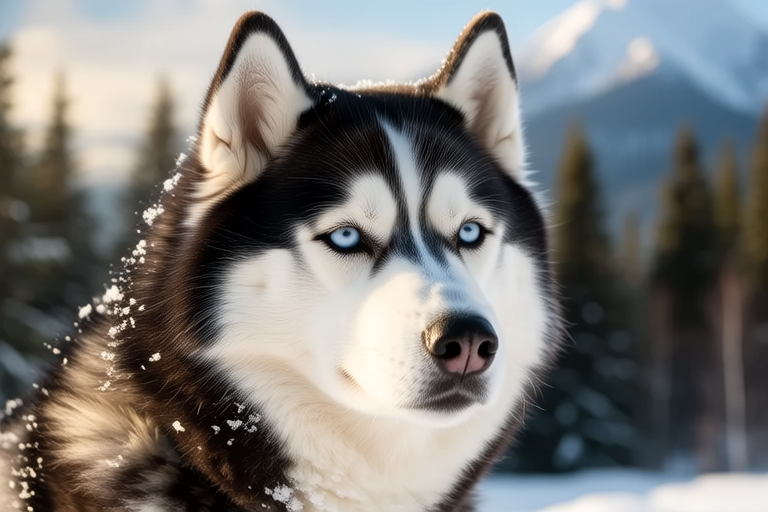
From Tundra to Backyard: A Journey into the Heart of Siberian Husky Life
The story of the Siberian husky is one of endurance, loyalty, and adaptability. Originating in the harsh tundra environment of Northeast Asia, these dogs have been integral to the survival and cultural heritage of indigenous peoples for centuries. Their journey from the icy expanses of Siberia to the cozy backyards of families around the world is a testament to their unique qualities and enduring appeal.
Historical Roots and Role in Sled Racing and Transportation
The Siberian husky’s history is deeply intertwined with the Chukchi people of Northeast Asia. These nomadic tribes relied heavily on sled dogs for transportation and hunting. The Siberian husky was particularly valued for its speed and stamina, allowing it to pull sleds over long distances with remarkable efficiency. In the early 20th century, the breed gained international recognition when they participated in the 1908 All-Alaskan Sweepstakes, a prestigious sled dog race. Their performance in this event solidified their reputation as one of the most efficient sled dogs in the world.
Their role extended beyond mere transportation; they were also companions and protectors. In the harsh conditions of the Arctic, where temperatures could drop to -60 degrees Fahrenheit, the Siberian husky’s ability to withstand the cold and provide warmth was invaluable. They were often kept close to human dwellings to provide comfort and warmth during the long, dark winter months.
Physical Characteristics and Adaptations
Siberian huskies are medium-sized dogs, typically weighing between 35 to 60 pounds, with males being slightly larger than females. They have a thick, double coat that provides insulation against the cold. Their outer coat is coarse and protective, while their undercoat is dense and soft, acting as a barrier against the biting winds of the Arctic. This dual-layered coat not only keeps them warm but also helps to repel water, making them well-suited for swimming.
In addition to their coat, Siberian huskies have several other physical adaptations that help them survive in cold climates. Their oval-shaped feet are webbed, providing excellent traction on ice and snow. Their ears are triangular and erect, which allows them to hear distant sounds and detect changes in the environment. Perhaps most striking is their piercing blue or multi-colored eyes, a trait that adds to their distinctive appearance and has no known functional advantage in their environment.
Despite their robust build, Siberian huskies are surprisingly light on their feet, capable of running at speeds up to 20 miles per hour. This agility, combined with their strength and endurance, makes them ideal for sledding and other forms of outdoor activity.
Adaptation to Modern Environments
Today, Siberian huskies are found not just in the icy tundras of Siberia but also in the backyards and living rooms of families worldwide. Their transition from the Arctic to suburban life has been marked by their continued popularity as pets and working dogs. While they may no longer need to pull sleds over vast distances, they still possess the energy and enthusiasm that makes them perfect companions for active individuals and families.
One of the key factors contributing to their success in modern environments is their social nature. Siberian huskies are known for their friendly demeanor and love of human interaction. They thrive in environments where they can be part of a pack, whether that pack consists of humans or other animals. This social nature makes them excellent candidates for family life, as they enjoy spending time with their owners and participating in various activities.
However, their high energy levels and independent streak require careful management. Siberian huskies need regular exercise to stay healthy and happy. Daily walks, runs, and play sessions are essential to keep them physically fit and mentally stimulated. Without adequate exercise, they can become bored and destructive, leading to behavioral problems. Training is also crucial, as Siberian huskies can be stubborn and may require consistent, positive reinforcement to learn commands and服从训练。 Siberian 霍斯克犬需要定期锻炼以保持健康和快乐。日常散步、跑步和游戏环节对于保持它们的身体健康和精神刺激至关重要。如果不进行足够的锻炼,它们可能会感到无聊并变得具有破坏性,从而导致行为问题。训练也很重要,因为西伯利亚哈士奇可能很固执,可能需要持续的正面强化才能学习命令和服从训练。
Care, Training, and Health Issues
Proper care is essential for maintaining the health and happiness of a Siberian husky. Their diet should be balanced and nutritionally complete, with a focus on high-quality protein sources to support their active lifestyle. Regular grooming is necessary to keep their coat healthy and free from mats and tangles. This includes brushing their fur at least once a week and more frequently during shedding season.
Training Siberian huskies requires patience and consistency. Positive reinforcement techniques, such as treats and praise, work best. Early socialization is important to ensure that they grow up to be well-adjusted and friendly dogs. Basic obedience training should begin as soon as possible, and advanced training can be introduced as they mature.
Like all breeds, Siberian huskies are prone to certain health issues. Hip dysplasia, a condition affecting the hip joint, is relatively common in large breeds like the Siberian husky. Regular veterinary check-ups and a healthy lifestyle can help prevent or manage this condition. Other potential health concerns include eye disorders such as progressive retinal atrophy and cataracts. Regular eye exams and genetic testing can help identify and address these issues before they become serious.
The Enduring Bond Between Humans and Siberian Huskies
The enduring bond between humans and Siberian huskies is rooted in their shared history and mutual respect. From the tundra to the backyard, these dogs have consistently demonstrated their loyalty, intelligence, and adaptability. Their legacy as working dogs continues to inspire admiration and awe, while their role as beloved family pets ensures their place in the hearts of many.
The journey of the Siberian husky from the Arctic to the suburbs is a story of resilience and transformation. It highlights the incredible adaptability of these dogs and the deep connection they share with humans. As we celebrate their contributions to our lives, let us also honor their heritage and continue to provide them with the love, care, and attention they deserve.
