Scared Yet Curious? Everything You Need to Know Before Meeting a Heterometrus Spinifer
Heterometrus spinifer, commonly known as the Indian forest scorpion, is a fascinating arachnid native to parts of Southeast Asia. This creature has captured the imagination of many due to its intimidating appearance and defensive behavior. Understanding this species can help dispel some of the fears associated with it and foster a greater appreciation for its role in the ecosystem.
Defining the Heterometrus Spinifer
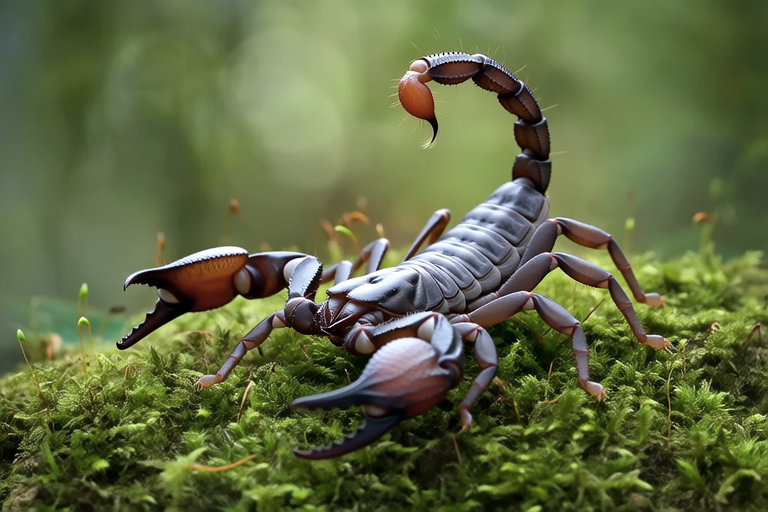
The Heterometrus spinifer belongs to the family Scorpionidae and is part of the genus Heterometrus. It is also known by several other names, such as the black scorpion or forest scorpion. These common names reflect both its coloration and preferred habitats. The scorpion’s body is segmented into two main parts: the cephalothorax (fused head and thorax) and the abdomen, which is further divided into the mesosoma (middle section) and metasoma (tail). The most striking feature of the Heterometrus spinifer is its large pincers (pedipalps) and the formidable tail ending in a venomous stinger.
Natural Habitat and Behavior
Native to tropical and subtropical regions of India, Sri Lanka, and Myanmar, the Heterometrus spinifer thrives in humid environments, particularly in dense forests and areas with abundant vegetation. These scorpions prefer to live under rocks, logs, or within tree hollows where they can remain hidden from predators and prey alike. They are nocturnal creatures, meaning they are most active during the night when temperatures are cooler and prey is more abundant.
Their behavior can indeed seem frightening to those unfamiliar with them. When threatened, these scorpions exhibit defensive postures that include raising their tails high above their bodies, ready to strike. This display is not just for show; it serves as a warning to potential threats. Their venom, while potent enough to immobilize small prey, is generally not lethal to humans. However, a sting can cause significant pain and localized swelling, making encounters with humans relatively rare but memorable.
Tips for Safe Observation and Handling
If you’re planning to observe or handle a Heterometrus spinifer, it’s crucial to approach with caution and respect. Always wear thick gloves to protect your hands from the scorpion’s powerful pinchers and venomous stinger. Use tools like forceps or tongs for moving the scorpion, especially if you’re working in its natural habitat. Never attempt to grab or corner the scorpion directly with your bare hands.
When handling, keep the scorpion at a safe distance. Remember, scorpions are not aggressive unless provoked. By maintaining a respectful distance and ensuring a calm demeanor, you can minimize the risk of triggering a defensive response. Always supervise children around these animals to ensure their safety and prevent accidents.
Diet and Myths Surrounding the Species
The diet of the Heterometrus spinifer primarily consists of insects and other small invertebrates. They are opportunistic feeders, meaning they will eat whatever is available and easy to catch. Common prey items include crickets, beetles, and spiders. Their hunting technique involves lying in wait until a suitable target comes within reach, then using their powerful pincers to capture and subdue the prey before injecting venom to immobilize it.
Despite their fearsome reputation, there are many myths surrounding the Heterometrus spinifer. One common myth is that all scorpions are deadly to humans, which is far from true. While their venom can cause severe discomfort, only a few species worldwide pose a serious threat to human life. Another misconception is that scorpions glow under ultraviolet light, a trait shared by many but not all species. This phenomenon is due to the presence of fluorescent chemicals in their exoskeletons, which can aid in identification but does not indicate danger.
Coexisting Peacefully
Encountering a Heterometrus spinifer in the wild can be an exciting opportunity to observe these creatures in their natural environment. If you come across one, it’s best to leave it undisturbed. Avoid shining lights directly at the scorpion, as this can provoke a defensive reaction. Instead, gently move away and give the scorpion space to continue its activities.
If you’re interested in keeping a Heterometrus spinifer as a pet, remember that they require specific care and housing conditions. A terrarium with appropriate humidity levels and hiding spots is essential for their well-being. Regular feeding and occasional misting to maintain humidity are necessary to keep your pet healthy and comfortable. Always consult with experienced breeders or veterinarians specializing in exotic pets for guidance.
In conclusion, while the Heterometrus spinifer may appear intimidating, understanding its behavior, habitat, and needs can help reduce fear and promote peaceful coexistence. By respecting these creatures and approaching them with caution, we can appreciate their role in the ecosystem and enjoy observing them without unnecessary alarm.
