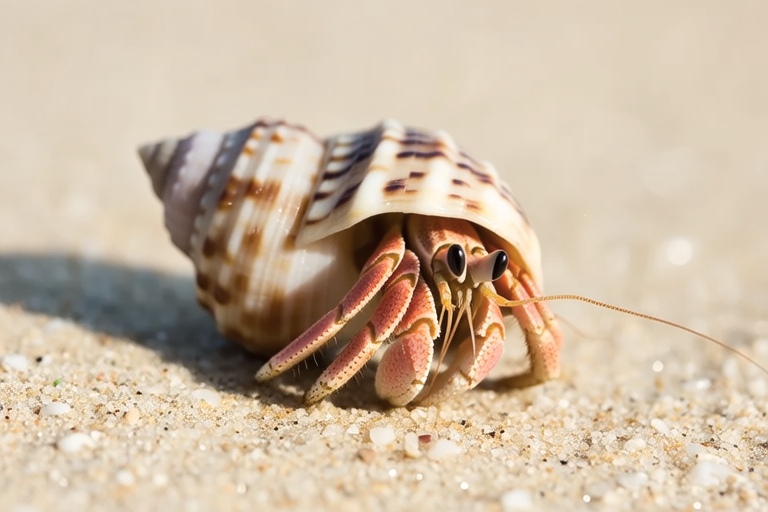
The Ultimate Guide to Hermit Crab Care: Tips for Happy Shell Shifters
Hermit crabs are fascinating creatures that make delightful pets when cared for properly. These crustaceans have unique needs that must be met to ensure they live long, healthy lives. This comprehensive guide will cover all essential aspects of hermit crab care, providing valuable information for both novice and seasoned owners.
Selecting Appropriate Shells
The most iconic feature of hermit crabs is their ability to change shells. To support this behavior, it’s crucial to provide a variety of shells of different sizes, shapes, and textures. Shells should be clean, free from chemicals, and large enough for the crabs to comfortably move around inside. Additionally, ensure the opening of the shell is wide enough for the crab to easily enter and exit. Providing an ample selection encourages natural behavior and reduces stress.
Proper Habitat Setup
A well-designed habitat is key to a hermit crab’s happiness and health. A glass or plastic tank with a secure lid is ideal, as it allows for proper ventilation while preventing escapes. The tank should be at least 10 gallons per crab, but larger is always better. Inside the tank, include a mix of sand and coconut fiber substrate, which mimics their natural environment. Add plenty of hiding spots, climbing structures, and water dishes for drinking and soaking. Regular cleaning and maintenance are necessary to keep the tank hygienic.
Dietary Needs
Hermit crabs are omnivorous scavengers, meaning they eat a variety of foods in the wild. In captivity, their diet should consist of fresh fruits, vegetables, protein sources like fish or shrimp, and commercial hermit crab food. It’s important to offer a balanced diet and rotate foods regularly to ensure nutritional diversity. Avoid processed human foods and toxic plants. Fresh, clean water should always be available in shallow dishes.
Maintaining Humidity Levels
Hermit crabs thrive in environments with high humidity, typically between 70% and 80%. Achieving this can be challenging indoors, so it’s essential to use a hygrometer to monitor humidity levels and adjust accordingly. Mist the tank daily, and consider using a humidifier if necessary. Sponges soaked in water can also help maintain humidity by absorbing moisture and slowly releasing it into the air.
Temperature Requirements
Hermit crabs prefer temperatures between 75°F and 85°F (24°C to 29°C). A heat lamp or under-tank heater can help maintain these conditions, especially in cooler climates. Ensure there is a thermal gradient within the tank, allowing crabs to regulate their body temperature by moving between warmer and cooler areas.
