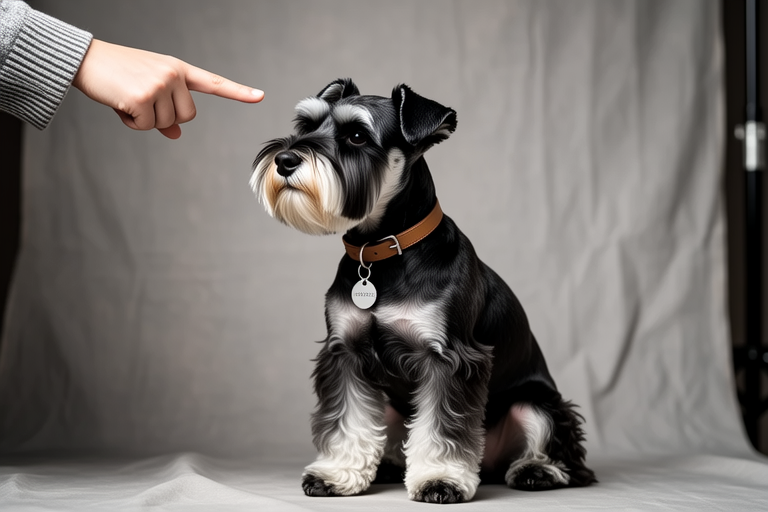
Training Tips for Raising the Perfectly Behaved Schnauzer
Welcome to the world of schnauzers! These intelligent, energetic, and loyal companions can be delightful additions to any family. However, raising a perfectly behaved schnauzer requires more than just love; it involves understanding their behavior, consistent training, and meeting their physical and mental needs. This comprehensive guide will walk you through the steps to ensure your schnauzer becomes a well-behaved, happy dog.
Understanding Schnauzer Behavior
Schnauzers are known for their alertness and intelligence. They are active, curious dogs that require mental stimulation and physical exercise. Understanding your schnauzer’s behavior is the first step towards successful training. Schnauzers are often territorial and protective, which can sometimes manifest as aggressive behavior if not properly managed. Early socialization and positive reinforcement training are crucial to channeling this natural instinct into acceptable behavior.
Additionally, schnauzers have a strong prey drive. They may chase small animals or birds out of instinct. Training them to ignore these distractions is essential for their safety and the safety of others. Recognizing these traits and addressing them early will help you establish a harmonious relationship with your schnauzer.
Essential Basic Commands
Teaching your schnauzer basic commands is vital for their safety and your peace of mind. Start with simple commands like ‘sit,’ ‘stay,’ ‘come,’ ‘down,’ and ‘heel.’ These commands provide a foundation for further training and help establish you as the leader.
‘Sit’: To teach ‘sit,’ hold a treat above your schnauzer’s head and move it back slightly. As they look up, their nose will point upwards, and their bottom will naturally lower. Reward them with the treat and praise when they sit.
‘Stay’: Once your schnauzer has mastered ‘sit,’ you can introduce ‘stay.’ Have them sit, then take a few steps back while saying ‘stay.’ If they remain in place, reward them. Gradually increase the distance and duration over time.
‘Come’: Teach ‘come’ by making it a fun game. Call your schnauzer’s name followed by ‘come,’ and reward them with treats and affection when they respond. Always ensure that coming to you is a positive experience.
‘Down’: For ‘down,’ start with your schnauzer sitting. Hold a treat in front of their nose and slowly lower it to the ground. As they follow the treat with their nose, their body will naturally lower. Praise and reward them when they lie down.
‘Heel’: This command teaches your schnauzer to walk beside you without pulling. Use a leash and a treat. Walk forward, holding the treat near your knee. When your schnauzer walks beside you, reward them with the treat. Practice in different environments to reinforce the behavior.
Effective Positive Reinforcement Techniques
Positive reinforcement is key to successful training. It involves rewarding desired behaviors rather than punishing unwanted ones. Rewards can be treats, praise, or playtime. The goal is to make your schnauzer associate good behavior with positive outcomes.
Consistency is crucial in positive reinforcement. Ensure all family members use the same commands and rewards. This consistency helps your schnauzer understand what is expected of them. Additionally, timing is important; reward the behavior immediately after it occurs to strengthen the association.
Use high-value treats during training sessions to keep your schnauzer motivated. These could be small pieces of chicken, cheese, or their favorite dog treats. Pair treats with verbal praise and affection to enhance the learning experience.
Managing Common Behavioral Issues
Despite your best efforts, schnauzers may exhibit some challenging behaviors. Here are strategies to manage common issues:
- Barking: Schnauzers can be vocal dogs. Excessive barking can be due to boredom, anxiety, or seeking attention. Address the underlying cause by providing mental and physical stimulation. Teach ‘quiet’ by rewarding your schnauzer when they stop barking.
- Chewing: Chewing is a natural behavior for puppies and young dogs. Provide appropriate chew toys and redirect your schnauzer’s attention when they chew on inappropriate items. Consistent training and supervision are necessary to prevent destructive chewing.
- Separation Anxiety: Some schnauzers develop separation anxiety when left alone. Gradually increase the time you leave them alone, ensuring they have safe, stimulating activities. Consider crate training or providing a comfortable space with familiar objects.
Exercise and Mental Stimulation Needs
Schnauzers are active dogs that need regular exercise to maintain their physical and mental health. Daily walks, play sessions, and interactive games are essential. Aim for at least 30 minutes of vigorous activity each day. Incorporate puzzle toys and obedience exercises to challenge their minds.
Mental stimulation is equally important. Engage your schnauzer in activities that stimulate their intellect. Training sessions, scent work, and interactive toys can keep their minds sharp. Rotate toys periodically to maintain interest and prevent boredom.
Dietary Considerations for Behavior
A balanced diet is crucial for maintaining your schnauzer’s overall health and behavior. High-quality dog food that meets their nutritional needs will support their energy levels and cognitive function. Consult with your veterinarian to determine the appropriate diet based on your schnauzer’s age, weight, and activity level.
Feeding schedules can also influence behavior. Establish regular feeding times to avoid begging and promote a routine. Avoid giving table scraps or human foods that could upset their stomach or contribute to behavioral issues like hyperactivity.
Advice on Socialization
Early socialization is vital for your schnauzer’s development. Expose them to various people, animals, and environments from a young age to build confidence and reduce fear or aggression. Attend puppy classes, visit parks, and invite friends over to meet your schnauzer.
During socialization, ensure interactions are positive and controlled. Praise and reward calm, friendly behavior. If your schnauzer shows signs of discomfort or fear, remove them from the situation and try again later under less stressful conditions.
Continuing socialization throughout your schnauzer’s life is important. Regular exposure to new experiences will help them remain adaptable and well-adjusted.
Conclusion
Raising a perfectly behaved schnauzer is a rewarding endeavor that requires patience, consistency, and dedication. By understanding your schnauzer’s behavior, teaching essential commands, using positive reinforcement, managing behavioral issues, providing adequate exercise and mental stimulation, considering dietary needs, and focusing on socialization, you can ensure your schnauzer becomes a well-behaved, loving companion.
Remember, every schnauzer is unique. Tailor your approach to suit their individual needs and temperament. With love, patience, and the right training methods, you’ll enjoy many years of companionship with your perfectly behaved schnauzer.
