From Finding Nemo to Reality: The True Story of Clownfish
In the summer of 2003, Pixar Animation Studios introduced audiences worldwide to one of the most beloved characters in animation history: Nemo, the adventurous young clownfish. With his bright orange body and white stripes, Nemo captured the hearts of millions. But what many may not know is that this charming character was based on a real species, Amphiprion percula, commonly known as the clownfish. This article will take you from the fictional world of “Finding Nemo” to the true story of clownfish, exploring their remarkable lives in the ocean.
The Iconic Portrayal of Clownfish in “Finding Nemo”
The film’s creators took great care to make Nemo and his family as authentic as possible. They consulted marine biologists and visited the Great Barrier Reef to observe clownfish in their natural habitat. The result was a visually stunning and scientifically accurate portrayal of these fish. However, while the movie provided a window into the underwater world, it only scratched the surface of the complex and fascinating lives of clownfish.
Real-Life Characteristics and Behaviors of Clownfish
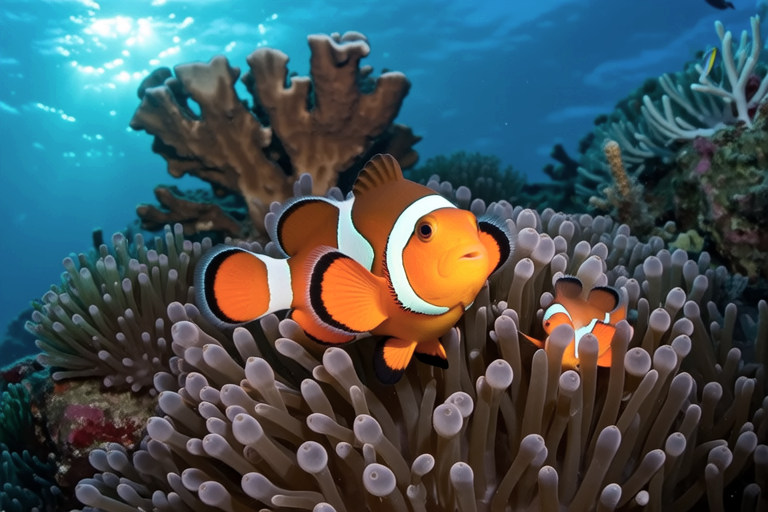
Clownfish, or anemonefish, are small, brightly colored fish that belong to the genus Amphiprion. There are 28 recognized species, each with its own distinct coloration. These fish are known for their vibrant hues of yellow, orange, and black, which serve as camouflage among the tentacles of their host sea anemones. Their striking appearance makes them popular aquarium pets, but their true beauty lies in their behavior and interactions with their environment.
One of the most notable traits of clownfish is their ability to swim backward. Unlike other fish, which move primarily by undulating their bodies and fins, clownfish can reverse direction by rapidly flapping their tail fin. This unique ability allows them to navigate through the intricate spaces within their anemone homes and avoid predators.
The Symbiotic Relationship with Sea Anemones
Perhaps the most intriguing aspect of clownfish biology is their symbiotic relationship with sea anemones. These cnidarians, which resemble plants but are actually animals, have stinging cells called nematocysts that they use to capture prey and defend themselves. Most fish would be deterred by these deadly tentacles, but clownfish have developed a remarkable adaptation that allows them to live in close proximity to their hosts.
Clownfish secrete a layer of mucus over their bodies that protects them from the anemone’s stings. This mucus is thought to mimic the chemical composition of the anemone itself, making the fish appear harmless to their host. In return, the clownfish provides protection for the anemone by driving away potential predators like butterflyfish, which feed on anemones. Additionally, the clownfish’s waste products provide nutrients for the anemone, promoting its growth and health.
Reproductive Strategies of Clownfish
Clownfish exhibit a unique reproductive strategy that sets them apart from many other fish species. They are sequential hermaphrodites, meaning they can change sex depending on environmental conditions. Each anemone typically hosts a single breeding pair of clownfish, with the larger individual being female and the smaller one male. If the female dies, the male undergoes a rapid transformation into a functional female, allowing the remaining individual to mate with a new male.
The breeding process begins when the female lays hundreds or even thousands of eggs on a flat surface near the anemone. The male then fertilizes the eggs by releasing sperm over them. Both parents guard the eggs until they hatch, fanning them with their fins to ensure a steady supply of oxygenated water. Once the eggs hatch, the larvae float away on ocean currents, eventually settling on suitable anemones to begin their adult lives.
Challenges Clownfish Face in the Wild
Despite their adaptability and resilience, clownfish face numerous challenges in the wild. One of the primary threats to their survival is habitat loss due to coral reef degradation. Climate change, pollution, and destructive fishing practices have all contributed to the decline of coral reefs, which provide essential shelter and food for clownfish and countless other marine species.
Another significant threat comes from the aquarium trade. Millions of clownfish are captured annually to meet the demand for exotic pets, often resulting in stress, injury, and death during transport. While some countries have implemented regulations to control the export of clownfish, illegal fishing continues to pose a serious problem.
Conservation Efforts and How You Can Help
Fortunately, there are several initiatives underway to protect clownfish and their habitats. Conservation organizations are working to restore damaged coral reefs and promote sustainable fishing practices. Marine protected areas have been established to safeguard critical ecosystems, providing safe havens for clownfish and other vulnerable species.
Individuals can also play a role in preserving clownfish populations by supporting ethical aquarium practices and choosing sustainably sourced seafood. When purchasing clownfish for home aquariums, opt for captive-bred specimens rather than wild-caught ones. Additionally, reducing your carbon footprint by conserving energy and minimizing waste can help mitigate the impacts of climate change on marine environments.
Finally, educating others about the importance of marine biodiversity is crucial. By sharing knowledge about clownfish and their role in the ecosystem, we can inspire a greater appreciation for the wonders of the ocean and motivate collective action toward conservation.
Conclusion
From their iconic portrayal in “Finding Nemo” to their complex lives in the wild, clownfish continue to captivate and inspire us. These remarkable fish have evolved unique adaptations that allow them to thrive in challenging environments, forming mutually beneficial relationships with sea anemones and contributing to the health of coral reefs. As we learn more about these fascinating creatures, it becomes increasingly clear that their survival depends on our commitment to protecting their habitats and addressing the threats they face.
By understanding the true story of clownfish and taking action to support conservation efforts, we can ensure that future generations will have the opportunity to witness the magic of these incredible fish firsthand. Let us work together to preserve the beauty and diversity of the ocean for years to come.
