Unraveling the Mystery of Chilean Rose Tarantulas: Myth vs Reality
The Chilean rose tarantula (Grammostola rosea) is one of the most popular and misunderstood creatures in the world of exotic pets. With their striking appearance and relatively manageable care requirements, these tarantulas have captured the interest of many enthusiasts. However, behind the veil of fascination lies a host of myths and misconceptions that often overshadow the reality of these fascinating arachnids. This article aims to unravel the mystery surrounding Chilean rose tarantulas, separating fact from fiction.
The Appearance and Habitat of Chilean Rose Tarantulas
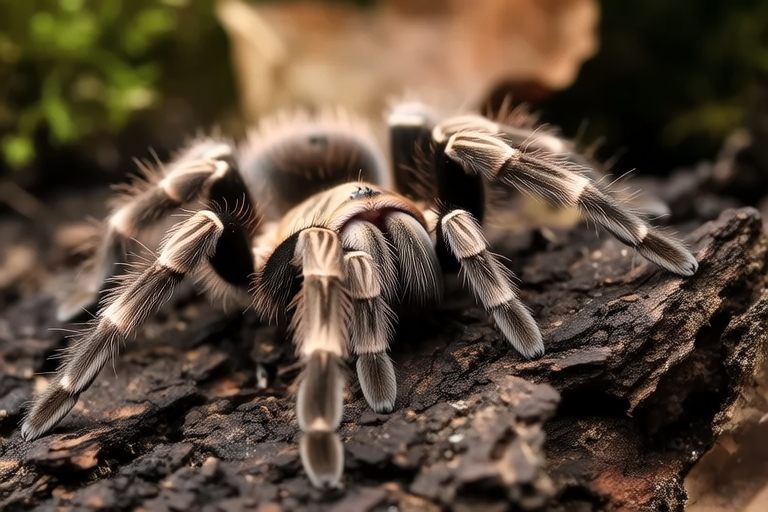
Chilean rose tarantulas are medium-sized spiders, typically ranging from 3 to 4 inches in leg span. They are easily recognizable by their distinct coloration, which includes a dark brown or black body with pinkish hairs covering their legs and abdomen. The pink hue, for which they are named, is most prominent when the spider is young but fades somewhat as it matures. These tarantulas are native to the arid regions of South America, particularly in Chile, Argentina, and Bolivia. They thrive in desert-like conditions, where temperatures can range from 75°F to 90°F (24°C to 32°C) and humidity levels are moderate.
In the wild, Chilean rose tarantulas inhabit burrows they dig themselves or natural crevices in the ground. These burrows serve as shelters, protecting them from predators and harsh weather conditions. Their burrowing behavior is also reflected in their pet care requirements, where a substrate that allows digging is essential.
Myths Surrounding Chilean Rose Tarantulas
Aggressiveness: Myth vs Reality
One of the most pervasive myths about Chilean rose tarantulas is their supposed aggressive nature. Many believe these spiders are prone to attacking humans at the slightest provocation. In reality, Chilean rose tarantulas are generally docile and shy. They prefer to avoid confrontation and will only bite as a last resort, usually when they feel threatened or cornered.
Research conducted by arachnologists has shown that these tarantulas are more likely to flee or play dead in response to threats. Their primary defense mechanism involves releasing urticating hairs from their abdomen, which can irritate the eyes and skin of potential predators. This non-aggressive behavior makes them ideal candidates for beginners in the world of exotic pets.
Venom Potency: Fact and Fiction
Another misconception is the potency of their venom. While all tarantulas possess venom, the venom of the Chilean rose tarantula is considered mild and harmless to humans. Their venom primarily serves to subdue small prey, such as insects and other arthropods. Bites from these tarantulas are unlikely to cause serious harm to humans, although they may result in localized pain and swelling similar to a bee sting.
According to studies published in Journal of Arachnology, the venom of the Chilean rose tarantula does not pose significant medical risks to humans. The severity of a bite depends largely on individual sensitivity and the location of the bite. Despite the mild nature of their venom, it’s always advisable to handle these creatures with care and respect.
Care Requirements for Pet Chilean Rose Tarantulas
For those considering a Chilean rose tarantula as a pet, understanding their care requirements is crucial. A suitable enclosure should be provided, ideally with a height-to-width ratio of at least 3:1 to allow for climbing and burrowing. A substrate made of coconut fiber, peat moss, or a mixture of sand and soil provides the necessary conditions for digging. The temperature within the enclosure should be maintained between 75°F and 85°F (24°C and 29°C), with a relative humidity level around 60% to 70%.
Feeding these tarantulas is straightforward; they require live insects such as crickets, mealworms, or dubia roaches. It’s important to ensure that the prey items are appropriately sized for the tarantula to prevent overfeeding or nutritional imbalances. Regular misting of the enclosure helps maintain the required humidity levels.
Behavior in the Wild
In their natural habitat, Chilean rose tarantulas lead solitary lives, emerging from their burrows at night to hunt. They are opportunistic hunters, relying on their excellent sense of touch and vibration detection to locate prey. During the day, they retreat into their burrows, where they remain hidden until evening.
These tarantulas are known for their ability to adapt to various environmental conditions. In some areas, they have been observed sharing burrows with other species, suggesting a degree of social tolerance under certain circumstances. However, this behavior is not common, and they generally prefer solitude.
Recent Scientific Findings
Recent scientific research has shed new light on the Chilean rose tarantula. Studies have explored the chemical composition of their venom, revealing compounds that could have potential applications in medicine. Additionally, genetic analyses have helped clarify the evolutionary relationships between different tarantula species, providing insights into the diversification of these remarkable arachnids.
One particularly interesting finding is the discovery of unique bacteria living symbiotically with Chilean rose tarantulas. These bacteria produce antibiotics that protect the tarantulas from harmful pathogens, offering a promising avenue for developing new antimicrobial treatments.
Conclusion: Embracing the Truth About Chilean Rose Tarantulas
The Chilean rose tarantula is a fascinating creature, rich in both myth and reality. By dispelling common misconceptions and presenting accurate information, we can foster a deeper appreciation for these spiders. Whether you’re a seasoned arachnid enthusiast or simply curious about the natural world, approaching Chilean rose tarantulas with informed perspectives enhances our understanding and enjoyment of these unique animals.
As we continue to learn more about these captivating creatures, let us strive to dispel myths and embrace the truth. Encouraging responsible ownership and respect for all living beings, including exotic pets, ensures a harmonious relationship between humans and the natural world. So, the next time you encounter a Chilean rose tarantula, take a moment to appreciate its beauty and complexity, free from the constraints of unfounded fears and misconceptions.
