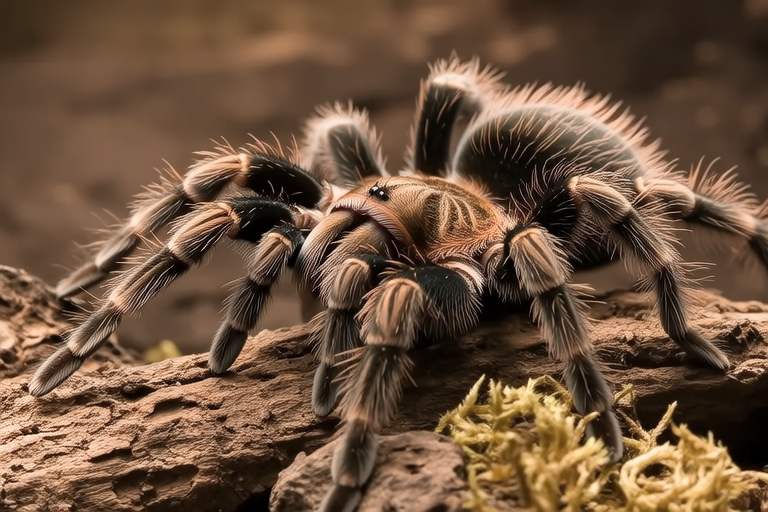
Tarantulas as Pets: Debunking Common Myths and Misconceptions
When it comes to exotic pets, few creatures evoke as much fascination and fear as tarantulas. These large, hairy spiders have long been misunderstood, often portrayed as aggressive and dangerous. However, beneath the intimidating exterior lies a fascinating and rewarding pet that can provide endless hours of enjoyment for those willing to learn about them. This article aims to dispel common myths surrounding tarantulas and offer valuable insights into their care, helping potential owners make informed decisions.
The Unique Appeal of Tarantulas
Tarantulas belong to the family Theraphosidae, comprising over 900 species found across various habitats worldwide. Their size, ranging from small to impressively large, and their distinctive appearance make them stand out among other pets. Many tarantulas exhibit vibrant colors or patterns, adding to their allure. Additionally, their docile nature and relatively low maintenance requirements make them ideal for those interested in keeping exotic animals.
Myth 1: Tarantulas Are Aggressive and Dangerous
One of the most pervasive myths about tarantulas is that they are aggressive and pose a significant threat to humans. While it’s true that tarantulas can defend themselves if provoked, most species are quite docile and prefer to avoid confrontation. Their primary defense mechanism involves flicking urticating hairs from their abdomen, which can cause irritation but rarely poses serious harm. Bites are generally only used when absolutely necessary, and even then, the venom is mild, comparable to a bee sting.
Myth 2: Tarantulas Cannot Thrive in Captivity
Another misconception is that tarantulas cannot adapt well to life in captivity. In reality, many species of tarantulas have proven to be highly adaptable and capable of thriving in home environments when provided with appropriate care. Proper habitat setup, including temperature control and substrate choice, plays a crucial role in ensuring their well-being. With the right conditions, tarantulas can live long and healthy lives in captivity.
Proper Care and Habitat Setup
Setting up a suitable habitat for your tarantula is essential for its health and happiness. A glass terrarium with a secure lid is ideal, allowing for ventilation while preventing escape. The size of the enclosure should be proportional to the size of the spider, typically around three times its leg span in length and width. Substrate, such as coconut fiber or peat moss, should be at least two inches deep to allow burrowing behavior.
Temperature and humidity levels must also be carefully controlled. Most tarantulas prefer temperatures between 75°F and 85°F (24°C to 29°C) and relative humidity between 60% and 80%. Providing a shallow water dish will help maintain moisture levels. Hiding spots, such as cork bark or half logs, should be included to give the tarantula a sense of security.
Dietary Needs
Tarantulas are carnivorous and require a diet consisting mainly of insects. Feeding them appropriately sized prey items like crickets, mealworms, and dubia roaches ensures they receive adequate nutrition. It’s important to gut-load feeder insects by offering them nutritious foods before feeding them to the tarantula. Younger tarantulas may need to be fed weekly, while adults can be fed less frequently, depending on their size and activity level.
Handling Techniques
While tarantulas can be handled safely under certain circumstances, it’s crucial to approach this practice with caution. Always wash your hands before and after handling to prevent transferring oils or chemicals that could stress the spider. Use a soft paintbrush or tongs to gently coax the tarantula onto your hand, avoiding sudden movements that might startle it. Handling should be limited to brief periods, as tarantulas do not enjoy prolonged physical contact.
Lifespan and Thriving in Captivity
Tarantulas have relatively long lifespans compared to many other pets, with some species living up to 20 years or more. Female tarantulas tend to live longer than males due to their larger body size and slower metabolism. Ensuring optimal living conditions can significantly extend a tarantula’s lifespan. Regular monitoring of health indicators, such as appetite and mobility, helps detect any issues early.
Encouraging Responsible Pet Ownership
Owning a tarantula requires commitment and responsibility. Before deciding to bring one home, thoroughly research the specific species you’re interested in and understand its care requirements. Consider factors like space availability, time investment, and financial considerations. Once committed, provide consistent care and attention to ensure your tarantula leads a happy and healthy life.
Further Education Resources
To deepen your knowledge about tarantulas, explore books, documentaries, and online forums dedicated to arachnids. Joining local reptile expos or participating in online communities allows you to connect with experienced keepers who can offer valuable advice and support. Continuous learning fosters better understanding and appreciation of these remarkable creatures.
