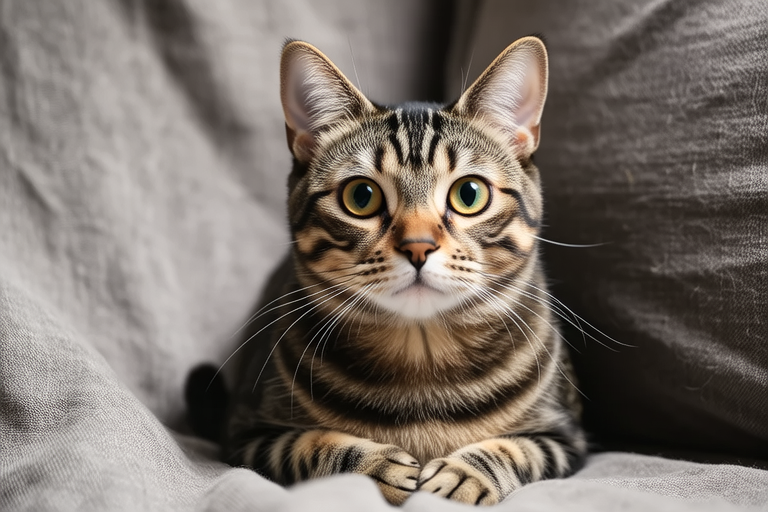
Top 10 Unique Traits Of Munchkin Cats You Need To Know
Welcome to the world of Munchkin cats, a breed known for its distinctive short legs. These adorable felines have captured the hearts of many cat lovers with their unique appearance and charming personalities. The Munchkin cat is a relatively new breed, first recognized in the 1980s, and it quickly gained popularity for its playful and affectionate nature. Despite their short stature, these cats are incredibly agile and full of energy, making them a joy to watch. Their distinct physical trait, short legs, is due to a genetic mutation that affects the spine, giving them a unique gait. This article will explore the top 10 unique traits of Munchkin cats, providing you with valuable insights into their behavior, physical characteristics, and common health issues.
1. Short Legs: The Signature Trait
The most noticeable feature of Munchkin cats is their unusually short legs. This trait is caused by a genetic mutation affecting the spine, which results in a shorter than average limb length. Despite their stubby legs, Munchkins are surprisingly agile and can move quickly when they need to. Their unique gait, often described as a waddle or a bunny hop, adds to their charm and makes them stand out from other breeds. While some people may worry about the impact of this trait on their mobility, Munchkins generally lead healthy and active lives.
2. Playful and Energetic Disposition
Munchkin cats are known for their high energy levels and playful nature. They love to play and interact with their environment, often using their short legs to leap and pounce on toys or even jump onto furniture. Their curiosity and agility make them excellent hunters, and they enjoy exploring their surroundings with enthusiasm. Owners often report that their Munchkins are always on the go, seeking out new adventures and challenges. This playful disposition makes them great companions for families with children who are also active and energetic.
3. Affectionate and Social Behavior
Besides their playful nature, Munchkin cats are incredibly affectionate and social. They thrive on human interaction and enjoy being around their owners, often following them from room to room. Munchkins are known to be very vocal, and they may communicate their needs and desires through chirps, meows, and purrs. They are equally comfortable in large groups or small households, making them versatile pets that can adapt to various living situations. Their social nature makes them ideal for those looking for a loving and interactive companion.
4. Adaptable and Loyal
Munchkin cats are highly adaptable and loyal, making them suitable for a wide range of living environments. Whether you live in a small apartment or a large house, Munchkins can adjust easily to their surroundings. They form strong bonds with their owners and are often fiercely loyal, sticking close by and offering comfort during times of stress or sadness. Their adaptability also extends to their dietary preferences; they are generally not picky eaters and can thrive on a variety of commercial cat foods.
5. Curious and Intelligent
These cats are naturally curious and intelligent, often displaying problem-solving skills that can amuse and entertain their owners. Munchkins love to investigate their environment, exploring every nook and cranny in search of new experiences. This curiosity can sometimes lead to mischief, but it also contributes to their entertaining and endearing personalities. Their intelligence allows them to learn tricks and respond to commands, making training sessions enjoyable for both the cat and the owner.
6. Low Maintenance Grooming
Munchkin cats have short, fine coats that require minimal grooming. Unlike some long-haired breeds, they do not shed excessively, which can be a relief for allergy sufferers. Regular brushing once a week is usually sufficient to keep their coat shiny and healthy. However, as with any pet, it’s important to pay attention to their dental hygiene and nail care. Providing appropriate chew toys and scratching posts can help maintain their oral and claw health. Overall, their grooming needs are manageable, making them a low-maintenance option for busy pet owners.
7. Potential Health Concerns
While Munchkin cats are generally healthy, there are a few potential health concerns associated with their unique build. One of the most significant issues is lordosis, a condition where the spine curves inward, potentially leading to difficulty in breathing or digestion. Another concern is pectus excavatum, a deformity where the chest cavity caves in, which can affect lung capacity. It’s essential for owners to be aware of these conditions and to consult with a veterinarian regularly to monitor their cat’s health. Proper care and early intervention can help manage these issues effectively.
8. Strong Bond with Their Owners
Munchkin cats are known for forming strong bonds with their owners, often seeking out their company and affection. They enjoy being petted and cuddled, and they may follow their owners around the house, offering companionship and comfort. This strong bond makes them excellent therapy animals, as they can provide emotional support and reduce feelings of loneliness or anxiety. Their loyalty and affectionate nature make them ideal pets for individuals seeking a devoted and loving companion.
9. Versatile Hunting Skills
Despite their short legs, Munchkin cats are skilled hunters, using their agility and keen senses to catch prey. They are particularly adept at catching small insects and rodents, and they enjoy the challenge of hunting games. Owners can engage their cats in hunting simulations using toys designed to mimic the movements of prey, keeping them mentally stimulated and physically active. This natural instinct for hunting makes them an exciting addition to households that appreciate a cat’s predatory skills.
10. Unique Breeding History
The breeding history of Munchkin cats is fascinating and somewhat controversial. The breed was first discovered in Louisiana in the late 1980s, when a woman named Sandra Hochenedel found a stray cat with unusually short legs. She bred this cat with a domestic shorthair, and the resulting offspring became the foundation of the Munchkin breed. Since then, the breed has been developed through careful selection and breeding, with a focus on maintaining the health and well-being of the cats. Today, Munchkin cats are recognized by several major cat registries, including the International Cat Association (TICA), though not by others like the Cat Fanciers’ Association (CFA).
Conclusion: A Unique and Cherished Companion
Munchkin cats are truly unique and fascinating creatures, offering a delightful blend of charm, intelligence, and adaptability. Their short legs, playful nature, and strong bonds with their owners make them cherished pets for many households. While they come with some specific health considerations, proper care and attention can ensure a long and healthy life for these special cats. If you’re considering adopting a Munchkin cat, take the time to learn more about their needs and characteristics to ensure a happy and fulfilling relationship. With their captivating personalities and endearing traits, Munchkin cats are sure to bring joy and companionship to your home.
