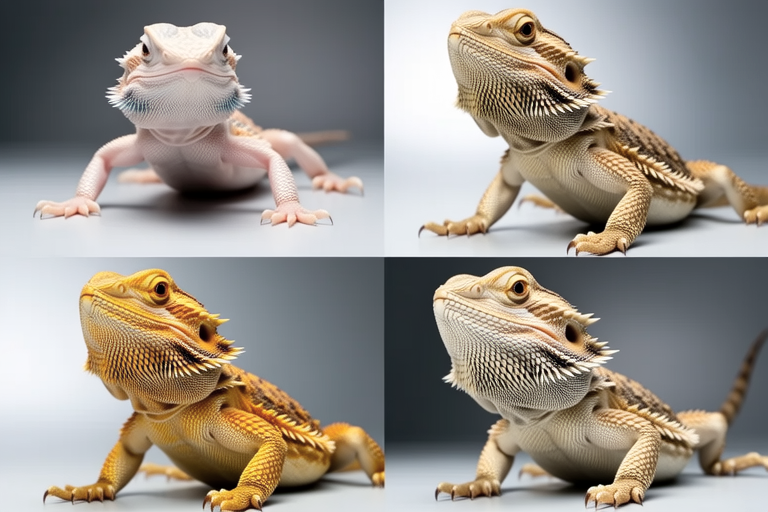
From Hatchling to Adult: A Complete Journey of Raising a Bearded Dragon
Welcome to the fascinating world of bearded dragons! These charismatic lizards have become increasingly popular pets due to their docile nature, striking appearance, and relatively easy care requirements. This comprehensive guide will walk you through every step of raising a bearded dragon, from selecting a healthy hatchling to ensuring a long, happy life for your scaly companion.
Selecting a Healthy Hatchling
The first step in becoming a responsible bearded dragon owner is choosing a healthy hatchling. When visiting a breeder or pet store, look for signs of vitality such as clear eyes, active movement, and a full stomach. Avoid any lizards that appear lethargic, have discharge around their nose or eyes, or exhibit signs of dehydration like wrinkled skin. Additionally, ensure that the hatchling has been properly fed and handled by previous caretakers to minimize stress during transportation.
Setting Up the Perfect Habitat
A well-designed habitat is crucial for your bearded dragon’s health and happiness. Start with a spacious enclosure; juveniles require at least a 20-gallon tank, while adults need something larger, ideally around 40 gallons or more. Provide ample space for climbing and basking, including branches, rocks, and hides. Ensure good ventilation and secure the lid to prevent escapes.
Temperature regulation is vital. Install a heat lamp on one side of the tank to create a basking spot with temperatures between 95°F and 110°F (35°C – 43°C). The cooler side should remain between 75°F and 85°F (24°C – 29°C). Use a thermometer to monitor these conditions accurately. UVB lighting is also essential for calcium absorption and overall health. Replace bulbs every six months to maintain effectiveness.
Dietary Needs From Infancy to Adulthood
Bearded dragons are omnivores, meaning they eat both plant matter and insects. Their diet changes as they grow:
- Hatchlings and Juveniles: Offer crickets, dubia roaches, and other small insects daily. Supplement their diet with finely chopped vegetables like collard greens, squash, and bell peppers. Dust insects with calcium powder before feeding.
- Adults: Gradually reduce insect intake and increase vegetable portions. Feed insects two to three times per week, offering leafy greens, carrots, and other safe veggies daily. Continue calcium supplementation but decrease frequency.
Always provide fresh water in a shallow dish. Monitor food intake and adjust quantities based on your dragon’s activity level and body condition.
Proper Handling and Socialization Techniques
Gentle handling helps build trust and ensures a comfortable relationship between you and your pet. Begin by allowing your bearded dragon to acclimate to its new environment for a few days. Then, offer treats like mealworms or finely chopped vegetables to encourage interaction. Use slow, deliberate movements when approaching, and always support the lizard’s body fully to avoid injury.
Regular interaction fosters confidence and reduces fear responses. Handle your dragon several times each week, gradually increasing duration. Always wash hands before and after handling to prevent disease transmission.
Common Health Issues and Preventive Care
Like all pets, bearded dragons can face various health challenges. Metabolic bone disease (MBD), caused by insufficient calcium or UVB exposure, manifests as weak bones, lethargy, and tremors. To prevent MBD, ensure proper nutrition and lighting. Respiratory infections may occur if the enclosure becomes too humid or cold. Symptoms include labored breathing, nasal discharge, and lethargy. Keep humidity levels below 40% and maintain appropriate temperatures.
Parasites are another potential issue. Regular fecal exams by a veterinarian can detect and treat infestations early. Signs include weight loss, diarrhea, and visible worms. Prompt action is necessary to prevent complications.
Tips for Ensuring a Long, Happy Life
To maximize your bearded dragon’s lifespan and well-being, follow these additional tips:
- Provide mental stimulation through toys and enrichment activities.
- Schedule annual veterinary check-ups.
- Monitor weight and adjust diet accordingly.
- Keep enclosures clean and free of harmful bacteria.
- Handle your dragon gently and regularly.
- Offer a variety of foods to ensure balanced nutrition.
By following this guide and showing your bearded dragon love and attention, you’ll enjoy many years together filled with joy and companionship.
