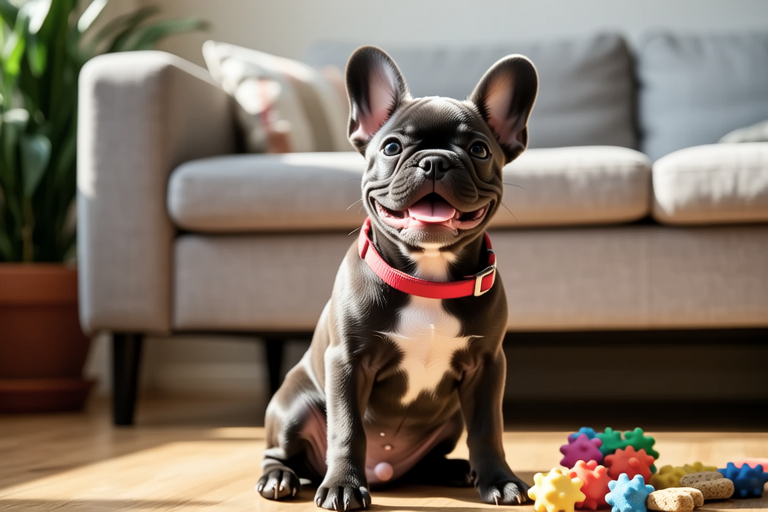
How to Keep Your Frenchie Happy and Healthy: Tips from Expert Breeders
Welcome to this comprehensive guide on keeping your French Bulldog (Frenchie) happy and healthy. French Bulldogs are beloved for their charming personalities and compact size, but they also come with unique care requirements due to their distinctive anatomy. This article will provide you with expert insights from breeders on nutrition, exercise, grooming, health, behavior training, and creating a stimulating environment for your Frenchie.
Nutrition Tailored for French Bulldogs
Feeding your Frenchie the right diet is crucial for their overall health and well-being. French Bulldogs have specific nutritional needs due to their small size and potential for weight-related health issues. Dr. Emily Carter, a veterinarian specializing in canine nutrition, advises, “Frenchies require a balanced diet that supports their energy levels without causing obesity.” She recommends high-quality dog food that includes lean proteins, whole grains, and vegetables. Avoid foods high in fat and sugar, as these can lead to obesity and related health problems.
The portion sizes should be carefully monitored. Overfeeding can quickly lead to weight gain, which puts additional strain on their already delicate joints. Regular check-ups with a veterinarian can help monitor your Frenchie’s weight and adjust their diet accordingly. Additionally, consider adding supplements like omega-3 fatty acids to support their skin and coat health.
Exercise Routines Considering Their Physical Limitations
While French Bulldogs may seem energetic, they are prone to respiratory issues and overheating, making it essential to tailor their exercise routines. According to breeder Sarah Thompson, “Frenchies need regular exercise to stay fit, but it should be gentle and short in duration.” Short walks, play sessions in shaded areas, and swimming can be beneficial. Swimming is particularly recommended as it provides a low-impact workout that doesn’t stress their joints.
It’s important to avoid strenuous activities, especially during hot weather or when humidity is high. Always ensure your Frenchie has access to fresh water and a cool place to rest after exercise. Incorporate mental stimulation into their routine by teaching them new tricks or playing interactive games. Mental engagement can prevent boredom and reduce destructive behaviors.
Grooming Essentials for Their Specific Coat
French Bulldogs have a short, smooth coat that requires minimal grooming compared to other breeds. However, regular grooming is still necessary to keep their coat healthy and free from mats. Groomer Lisa Martinez emphasizes, “Regular brushing helps distribute natural oils throughout the coat and keeps the skin healthy.” Use a soft-bristled brush to gently remove loose hair and dirt.
Bathing should be done sparingly, typically every 4-6 weeks, to avoid stripping their skin of its natural oils. Use a mild, hypoallergenic shampoo and ensure thorough rinsing to prevent residue buildup. Pay special attention to cleaning their facial wrinkles and ears to prevent infections. After bathing, dry them thoroughly, especially in their wrinkles, to prevent moisture-related issues.
Common Health Issues and Preventive Measures
French Bulldogs are predisposed to several health conditions, including brachycephalic obstructive airway syndrome (BOAS), hip dysplasia, and skin allergies. BOAS can cause breathing difficulties, especially during exertion or heat. Breeder Mark Davis suggests, “Providing a cool, comfortable environment and avoiding overexertion can help manage BOAS symptoms.” He recommends using a harness instead of a collar to prevent pressure on their trachea.
To prevent hip dysplasia, maintain a healthy weight and provide joint supplements like glucosamine. Regular vet visits can help catch early signs of hip issues. For skin allergies, consult a veterinarian who may recommend hypoallergenic diets or topical treatments. Early intervention can significantly improve your Frenchie’s quality of life.
Behavioral Training Tips
Training your Frenchie can be both rewarding and challenging. Frenchies are intelligent but can also be stubborn at times. Trainer Jane Foster advises, “Consistency is key in training French Bulldogs. Use positive reinforcement techniques such as treats, praise, and play to encourage good behavior.” Start training early and keep sessions short and fun to maintain their interest.
Basic commands like ‘sit,’ ‘stay,’ and ‘come’ are essential for their safety and socialization. Socializing your Frenchie from a young age with different people, animals, and environments helps build confidence and reduces fear-based aggression. It’s important to address any behavioral issues promptly to prevent them from becoming ingrained habits.
Advice on Creating a Stimulating Environment
Creating a stimulating environment for your Frenchie is vital for their mental and emotional well-being. Dr. Carter suggests, “Providing a variety of toys and activities can help prevent boredom and destructive behaviors.” Rotate toys regularly to keep them interesting and offer puzzles or treat-dispensing toys to engage their minds.
Incorporate interactive elements into their daily routine, such as hide-and-seek games or scent work. These activities mimic natural hunting behaviors and provide mental stimulation. Ensure your home is safe and secure, with no small objects or toxic substances within reach. A well-stocked, safe environment will contribute to your Frenchie’s happiness and peace of mind.
Conclusion
Caring for a French Bulldog requires a combination of knowledge, patience, and love. By following the expert advice provided in this guide, you can ensure your Frenchie leads a happy, healthy, and fulfilling life. Remember, each Frenchie is unique, so it’s essential to tailor your approach to meet their individual needs. With proper care, your Frenchie will thrive and bring joy to your household for years to come.
