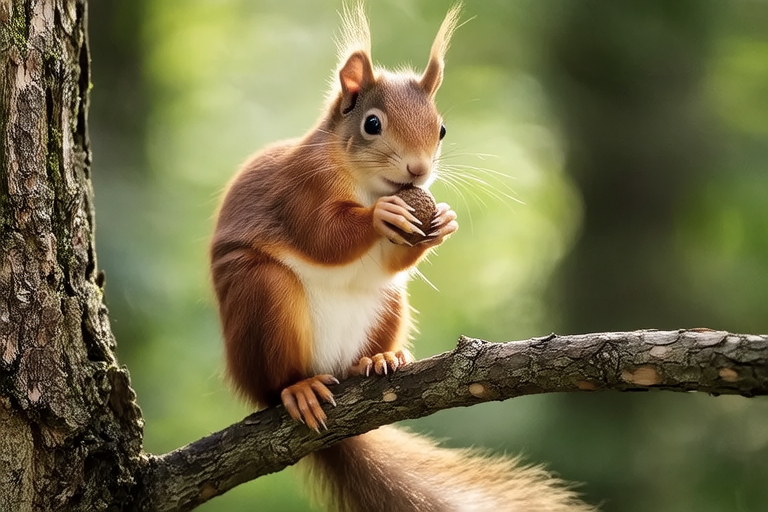
The Ultimate Guide to Capturing Stunning Photos of Wild Squirrels
Wildlife photography can be one of the most rewarding forms of photography, offering the opportunity to capture the beauty and essence of nature. Among the many subjects available, squirrels provide an excellent starting point for those new to wildlife photography. These agile and curious creatures are relatively common, making them accessible for practice and learning. This guide will walk you through the essential tips and techniques for capturing stunning photos of wild squirrels, ensuring that your images are not only technically sound but also ethically responsible.
Understanding Squirrel Behavior
Before you start taking pictures, it’s important to understand the behavior of your subjects. Squirrels are generally active during daylight hours and spend much of their time foraging for food, climbing trees, and storing nuts. They have a keen sense of hearing and vision, which makes them wary of sudden movements and loud noises. Observing squirrels from a distance without disturbing them can help you anticipate their movements and predict when they might pose for a perfect shot.
Squirrels are social animals and can often be found in groups, especially during the mating season or when gathering food. Understanding their social dynamics can provide interesting photo opportunities, such as interactions between mothers and their young or playful exchanges among siblings. Additionally, knowing the seasonal activities of squirrels can help you plan your photography sessions more effectively.
Selecting Appropriate Equipment
Choosing the right equipment is crucial for capturing high-quality images of wild squirrels. A good DSLR or mirrorless camera with a fast shutter speed is essential for freezing the action. A telephoto lens with a focal length of at least 300mm is recommended, as it allows you to get close-up shots without physically approaching the animals. For beginners, a 70-200mm zoom lens can be a more affordable option, though it may require closer proximity to the subject.
In addition to your camera and lens, consider carrying a tripod or monopod to stabilize your shots, especially in low-light conditions. A remote shutter release or camera app for mobile devices can also be useful for reducing camera shake and allowing you to take pictures from a greater distance.
Choosing the Right Locations
Finding the right location is key to successful squirrel photography. Squirrels are commonly found in urban parks, suburban gardens, and rural woodlands. Urban areas often offer more predictable photo opportunities, as squirrels become accustomed to human presence and are less likely to flee quickly. Suburban gardens can also be great spots, particularly if there are bird feeders or nut-bearing trees nearby.
For more natural settings, consider visiting national parks, nature reserves, or other protected areas where squirrels are abundant. Early morning or late afternoon is usually the best time for photography, as the light is softer and less harsh, creating more appealing shadows and textures. Avoid areas with heavy foot traffic, as this can disturb the squirrels and make it difficult to get clear shots.
Mastering Lighting and Angles
Lighting plays a significant role in the quality of your photographs. The golden hour, just after sunrise or before sunset, provides soft, warm light that enhances colors and textures. During midday, direct sunlight can create harsh shadows and overexposure, so it’s best to avoid shooting during this period. If you must shoot in bright sunlight, consider using a diffuser or reflector to soften the light and reduce glare.
Experiment with different angles to add depth and interest to your photos. Shooting from ground level can give a unique perspective and highlight the squirrel’s interaction with its environment. Low-angle shots can also make the animal appear larger and more dominant in the frame. Conversely, overhead shots can emphasize the subject’s agility and grace as it moves through the branches.
Using Natural Bait
Using natural bait can attract squirrels to your chosen location, increasing your chances of getting a good shot. Nuts, seeds, and fruits are popular choices and can be placed strategically to draw the animals into view. However, it’s important to use bait responsibly to avoid disrupting the natural balance of the ecosystem. Always clean up any waste and ensure that the bait does not attract unwanted pests or predators.
Be patient and observant when using bait. Once the squirrels become comfortable with your presence, they may approach the bait more confidently, providing you with better opportunities for candid shots. Remember to respect the animals’ space and avoid disturbing their normal routines.
Respecting Wildlife
Respecting wildlife is paramount when engaging in photography. Always maintain a safe distance from the animals and avoid using flash, which can startle or harm them. If the squirrels show signs of distress or discomfort, back away slowly and give them space. Never attempt to touch or handle the animals, as this can cause stress and injury to both you and the squirrel.
It’s also important to be mindful of your surroundings and the impact of your presence on the environment. Leave no trace of your visit, and avoid disturbing other wildlife or vegetation. By following these guidelines, you can ensure that your photography experiences are both enjoyable and sustainable.
Editing Photos for Optimal Results
Post-processing your photos can enhance their quality and bring out the details that may not be immediately visible. Use image-editing software like Adobe Lightroom or Photoshop to adjust exposure, contrast, and color balance. Cropping can also improve the composition of your shots by removing distracting elements or focusing attention on the main subject.
Sharpening tools can be used to increase the clarity of your images, while noise reduction can help minimize graininess caused by high ISO settings. Experiment with different filters and effects to achieve the desired look, but always aim for a natural and authentic representation of your subjects.
Conclusion
Capturing stunning photos of wild squirrels requires patience, skill, and respect for nature. By understanding squirrel behavior, selecting appropriate equipment, choosing the right locations, mastering lighting and angles, using natural bait responsibly, and editing your photos carefully, you can produce high-quality images that showcase the beauty and charm of these fascinating creatures. Remember that wildlife photography is not just about taking pictures; it’s also about preserving and protecting the natural world for future generations.
