Top 10 Fascinating Facts About Koi Fish You Need to Know
Koi fish are among the most beautiful and popular ornamental fish in the world. These vibrant creatures have captured the hearts of aquarium enthusiasts and pond owners alike with their stunning colors and graceful movements. From their rich history to their fascinating behaviors, there’s always something new to learn about these captivating fish. Here are the top 10 fascinating facts about koi fish that you need to know:
1. A Rich History Tracing Back to Ancient China
The history of koi fish dates back thousands of years to ancient China. Originally bred from common carp, these fish were first domesticated by the Chinese as a food source. However, it wasn’t until the 1820s that Japanese farmers began selectively breeding them for their color variations. Over time, these fish became highly prized for their beauty and were used in traditional Japanese gardens. Today, koi fish are a symbol of good fortune and prosperity in many cultures.
2. Symbolism and Cultural Significance
In Japan, koi fish hold significant cultural meaning. The term ‘koi’ means ‘carp,’ and these fish are often associated with perseverance and determination. According to legend, a koi once swam up a waterfall, earning its place among the gods. This story has become a metaphor for overcoming obstacles and achieving success. As such, koi fish are frequently depicted in art, literature, and tattoos, symbolizing strength and courage.
3. Diverse Color Varieties
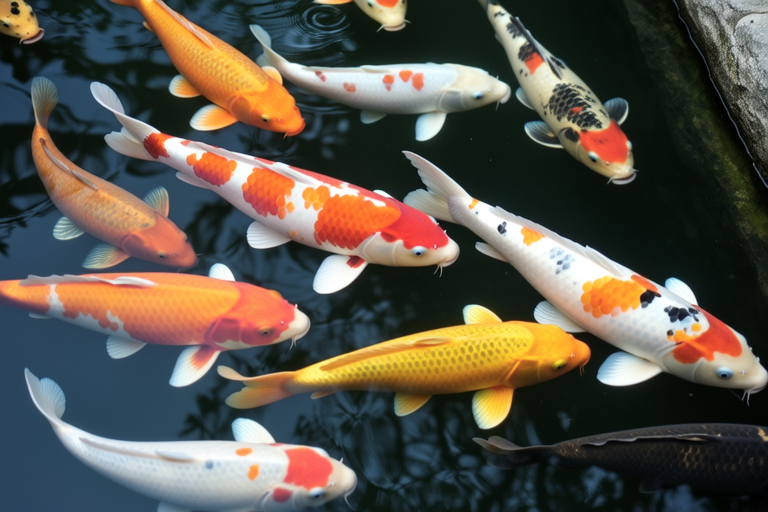
Koi fish come in a wide array of colors, each representing different breeds. Some of the most popular varieties include red (Hi), white (Shiro), black (Muki), yellow (Ki), and blue (Ai). These colors can appear in various combinations and patterns, making each koi unique. The most valuable koi fish are those with striking color contrasts and intricate patterns. For instance, a Kohaku koi features a white body with red markings, while a Showa Sanshoku has a black background with red and white spots.
4. Lifespan and Size
Koi fish can live for decades, with some reaching ages over 200 years. While this longevity is impressive, it’s important to note that factors like water quality, diet, and overall care play a significant role in determining a koi’s lifespan. In terms of size, koi fish can grow quite large, sometimes exceeding 3 feet in length. Proper nutrition and a spacious pond are essential for ensuring they reach their full potential.
5. Feeding Habits and Diet
Koi fish are omnivorous, meaning they eat both plant matter and small animals. Their diet typically consists of commercial koi pellets, which provide essential nutrients and vitamins. However, koi also enjoy snacking on insects, algae, and small crustaceans found in their environment. During colder months, when their metabolism slows down, koi may eat less frequently. It’s crucial to avoid overfeeding, as excess food can lead to poor water quality and health issues.
6. Social Behavior and Interaction
Koi fish are social creatures and enjoy the company of their peers. They often swim together in groups, forming close bonds with one another. Interestingly, koi can recognize their keepers and may even come to the surface for food when they hear familiar footsteps approaching the pond. This interaction makes them enjoyable companions for pond owners. Additionally, koi fish exhibit playful behavior, such as chasing each other or leaping out of the water, especially during feeding times.
7. Temperature Sensitivity
Koi fish are cold-water species, thriving in temperatures between 15°C and 25°C (59°F and 77°F). They are sensitive to sudden changes in temperature, so it’s important to maintain stable water conditions. Extreme heat or cold can stress the fish, leading to health problems. In regions with harsh winters, pond owners often install heaters or aerators to keep the water temperature within the optimal range. Proper filtration systems also help ensure clean and oxygen-rich water, supporting the fish’s well-being.
8. Breeding and Reproduction
Breeding koi fish requires careful planning and attention to detail. Female koi typically produce thousands of eggs during spawning season, which usually occurs in late spring or early summer. To increase the chances of successful reproduction, pond owners may introduce a male koi to stimulate the females into releasing their eggs. Once fertilized, the eggs hatch after about a week. Raising young koi, known as ‘fry,’ requires specific care, including providing them with plenty of food and ensuring the water quality remains excellent.
9. Disease Prevention and Treatment
Like all aquatic pets, koi fish are susceptible to various diseases. Common ailments include bacterial infections, parasitic infestations, and fungal growth. Preventing disease involves maintaining clean water, providing a balanced diet, and avoiding overcrowding. Regular water testing and partial water changes can also help prevent illness. If a koi fish does become sick, prompt treatment is necessary to prevent further complications. There are several treatments available, but it’s essential to consult with a veterinarian specializing in fish to determine the appropriate course of action.
10. The Art of Koi Pond Design
Pond design plays a crucial role in creating a healthy and visually appealing habitat for koi fish. A well-designed pond includes features such as waterfalls, streams, and plants, which enhance the aesthetic appeal and provide hiding spots for the fish. Additionally, incorporating filtration systems and aeration helps maintain water quality. When designing a koi pond, it’s important to consider the size of the pond relative to the number of fish. A general rule of thumb is to allow at least 10 gallons of water per inch of koi. Proper pond design ensures the fish have ample space to swim and thrive.
From their rich history to their diverse color varieties, koi fish offer endless fascination for those who appreciate their beauty and grace. Whether you’re a seasoned aquarist or just starting to explore the world of ornamental fish, koi fish make wonderful additions to any pond. By understanding their unique needs and behaviors, you can provide your koi with a happy and healthy environment where they can flourish.
