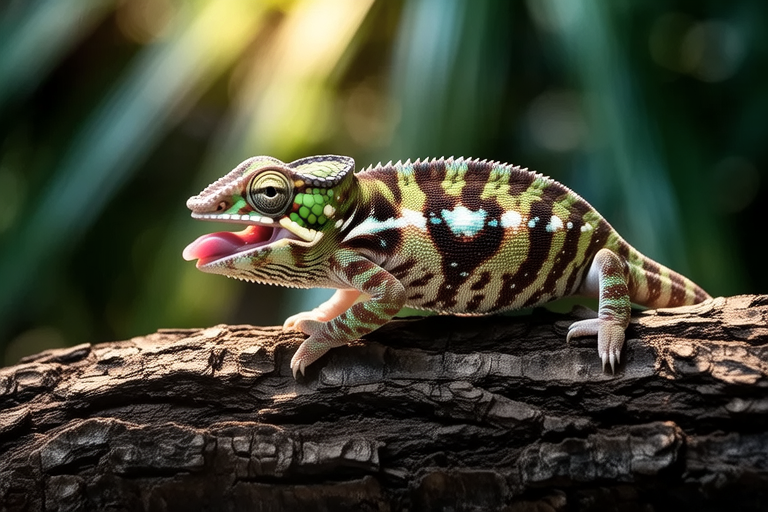
Chameleon Behaviors and Habits When Owners Are Absent
Chameleons have long been a subject of fascination due to their unique physical attributes and behaviors. These reptiles exhibit a range of intriguing habits and behaviors that are often overlooked by their owners. Understanding these behaviors can provide valuable insights into chameleon psychology and well-being, especially when owners are absent. This article explores the hidden behaviors and habits of chameleons, delving into their color-changing mechanisms, social interactions, feeding patterns, environmental preferences, and resting positions. It also offers practical advice for owners based on these findings.
Color-Changing Mechanisms Beyond Camouflage
While many people associate chameleons’ ability to change color solely with camouflage, this is only one aspect of their remarkable color-changing abilities. Chameleons possess specialized cells called chromatophores, which contain pigments responsible for their color changes. These cells can expand or contract, altering the appearance of the chameleon’s skin. In addition to camouflage, chameleons use color changes to communicate, regulate body temperature, and express emotions.
Scientific studies have shown that chameleons can display a wide spectrum of colors, including greens, blues, reds, and yellows, depending on their mood, health, and environment. For instance, a calm and relaxed chameleon may appear green, while a stressed or threatened chameleon might turn brown or black. Research conducted by Dr. Russell Ligon at Arizona State University revealed that chameleons use their color-changing abilities to signal their intentions during social interactions. This suggests that chameleons have a complex system of communication through color, which is essential for their survival in the wild.
Social Interactions with Other Pets or Insects
Contrary to popular belief, chameleons are generally solitary animals in the wild. They prefer to live alone and avoid contact with other chameleons, except during mating season. However, when kept as pets, they may interact with other animals, such as birds, rodents, or insects. These interactions can be both beneficial and detrimental to the chameleon’s well-being, depending on the nature of the relationship.
Chameleons may engage in aggressive displays or territorial behavior when confronted with other pets or insects. For example, male chameleons may puff up their bodies and extend their necks to appear larger and more intimidating. This behavior is often observed when two male chameleons are housed together or when a chameleon perceives another animal as a threat. On the other hand, chameleons may also display submissive behaviors, such as flattening their bodies or turning away from the perceived threat.
It is important for owners to be aware of these potential interactions and take appropriate measures to ensure the safety and well-being of their chameleons. Providing adequate space and hiding spots can help reduce stress and promote a healthy living environment. Additionally, owners should avoid housing multiple chameleons together unless they are experienced in managing such setups.
Feeding Patterns in Natural Settings
In their natural habitats, chameleons are primarily insectivorous, feeding on a variety of insects, such as crickets, grasshoppers, and beetles. Their feeding patterns are influenced by factors such as availability of prey, time of day, and environmental conditions. Chameleons are known for their unique hunting techniques, which involve using their long, sticky tongues to capture prey from a distance.
Research has shown that chameleons are most active during the early morning and late afternoon, when temperatures are cooler and insects are more abundant. During these periods, chameleons may spend several hours hunting for food, using their keen eyesight and excellent camouflage skills to locate and capture prey. In captivity, it is crucial for owners to replicate these natural feeding patterns as closely as possible. Providing a diverse diet of appropriately sized insects and ensuring regular feeding schedules can help maintain the chameleon’s health and well-being.
Environmental Preferences
Chameleons are highly sensitive to their environment and require specific conditions to thrive. In their natural habitats, chameleons are found in tropical and subtropical regions, where they inhabit trees, bushes, and shrubs. These environments provide ample opportunities for basking, hiding, and hunting. When kept as pets, chameleons require similar conditions to ensure their comfort and well-being.
Owners should provide a spacious enclosure with plenty of vertical space, as chameleons are arboreal creatures and enjoy climbing and perching. The enclosure should also include a variety of branches, vines, and foliage to mimic the chameleon’s natural habitat. Additionally, maintaining proper humidity levels and providing access to clean water are essential for the chameleon’s health. A study published in the Journal of Herpetology found that chameleons exposed to low humidity levels were more prone to dehydration and respiratory infections. Therefore, owners should monitor humidity levels regularly and adjust as necessary.
Resting Positions
Chameleons have unique resting positions that reflect their arboreal lifestyle and need for security. In the wild, chameleons often rest on branches or leaves, curling their tails around the substrate for stability. These resting positions allow them to conserve energy and remain alert to potential threats. In captivity, chameleons may adopt similar resting positions, but owners should ensure that the enclosure provides adequate support and stability.
Owners should provide a variety of perches of different diameters and textures to accommodate the chameleon’s resting preferences. Additionally, ensuring that the enclosure is free from drafts and sudden movements can help create a secure environment for the chameleon. A study conducted by Dr. Christopher Raxworthy at the American Museum of Natural History found that chameleons exposed to constant disturbances were more likely to exhibit signs of stress, such as increased color changes and aggression. Therefore, owners should strive to minimize disturbances and create a calm and stable environment for their chameleons.
Insights into Chameleon Psychology and Well-Being
The behaviors and habits discussed above provide valuable insights into chameleon psychology and well-being. By understanding these aspects, owners can better meet the needs of their chameleons and ensure their happiness and health. For instance, providing appropriate color-changing opportunities, minimizing social interactions with other pets, replicating natural feeding patterns, creating suitable environmental conditions, and offering secure resting positions can all contribute to a chameleon’s overall well-being.
Furthermore, owners should pay attention to any changes in behavior or appearance, as these may indicate underlying health issues. Regular veterinary check-ups and prompt treatment of any health problems can help prevent complications and improve the chameleon’s quality of life. Expert opinions from veterinarians and herpetologists can also provide valuable guidance on chameleon care and management.
Practical Advice for Owners
Based on the findings presented in this article, owners can take several practical steps to enhance their chameleon’s care:
- Provide a spacious and well-designed enclosure that mimics the chameleon’s natural habitat.
- Ensure proper humidity and temperature levels, and provide access to clean water.
- Offer a varied diet of appropriately sized insects and replicate natural feeding patterns.
- Minimize social interactions with other pets and provide adequate hiding spots.
- Monitor the chameleon’s behavior and appearance for any signs of stress or illness.
- Seek expert advice from veterinarians and herpetologists when needed.
By following these guidelines, owners can create a healthy and happy environment for their chameleons, ensuring their well-being even when absent.
