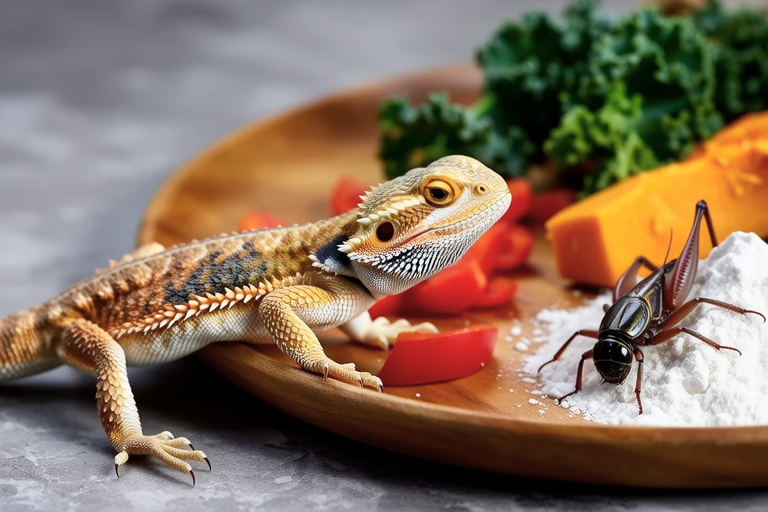
Bearded Dragon Diet: What You Need to Know for Optimal Health
Proper nutrition is crucial for the overall health and well-being of any pet, including bearded dragons. These captivating reptiles have specific dietary needs that must be met to ensure they thrive in captivity. A well-balanced diet can prevent numerous health issues and extend their lifespan. This article delves into the essentials of feeding bearded dragons, providing valuable information for both novice and seasoned reptile enthusiasts.
The Importance of Proper Nutrition
Bearded dragons are omnivorous, meaning they consume both plant matter and animal protein. Their diet should reflect this balance to meet all nutritional requirements. Inadequate nutrition can lead to severe health problems, such as metabolic bone disease (MBD), obesity, or even organ failure. Therefore, understanding what constitutes a healthy diet is vital for responsible pet ownership.
Essential Nutrients
Calcium
Calcium is critical for maintaining strong bones and facilitating muscle function. Bearded dragons require calcium to support their skeletal structure and prevent MBD. Without sufficient calcium, their bones can become weak and brittle, leading to fractures or deformities.
Vitamins and Minerals
In addition to calcium, bearded dragons need other essential vitamins and minerals, including vitamin D3, phosphorus, magnesium, potassium, and iron. Vitamin D3 aids in calcium absorption, while phosphorus helps regulate calcium levels in the blood. An imbalance between calcium and phosphorus can result in calcium deficiency, even if adequate amounts of calcium are present in the diet.
Dietary Components
Vegetables
Leafy greens form the foundation of a bearded dragon’s diet. Dark, leafy greens like collard greens, mustard greens, and dandelion greens provide essential nutrients. Other suitable vegetables include squash, bell peppers, carrots, and green beans. It’s important to avoid feeding them iceberg lettuce, as it offers little nutritional value and can cause diarrhea.
Fruits
Fruits should be given sparingly due to their high sugar content. Appropriate fruits for bearded dragons include strawberries, blueberries, mangoes, and papayas. Always wash fruits thoroughly before feeding them to your dragon to remove any pesticides or harmful chemicals.
Proteins
Bearded dragons require a variety of protein sources to maintain muscle mass and overall health. Suitable protein options include crickets, dubia roaches, mealworms, and silkworms. Younger dragons need more protein than adults, so it’s essential to adjust the ratio of vegetables to protein as they grow.
Feeding Frequency and Quantity
The amount and frequency of food depend on the age and size of the bearded dragon. Juvenile dragons should be fed daily, while adult dragons can be fed every other day. Offer small portions at each feeding session, allowing your dragon to finish the food within 10-15 minutes. Overfeeding can lead to obesity and related health issues.
Risks of Malnutrition and Overfeeding
Malnutrition occurs when a bearded dragon does not receive enough nutrients from its diet. Signs of malnutrition include lethargy, loss of appetite, weight loss, and swollen limbs. Conversely, overfeeding can cause obesity, digestive problems, and fatty liver disease. Both conditions highlight the importance of a balanced diet tailored to the individual needs of your pet.
Tips for Creating a Balanced Diet
To create a balanced diet, follow these guidelines:
- Variety: Rotate different types of vegetables, fruits, and proteins to ensure a wide range of nutrients.
- Supplements: Use calcium and multivitamin powders to fortify their diet, especially if their natural food sources lack these nutrients.
- Hydration: Provide fresh water daily, as dehydration can exacerbate health issues.
- Monitoring: Keep track of your dragon’s weight and overall appearance to detect any changes early.
Handling Supplements
Supplements play a crucial role in ensuring your bearded dragon receives all necessary nutrients. Calcium powder should be dusted onto insects or mixed with vegetables. Multivitamin supplements should be used sparingly, following the manufacturer’s instructions. Over-supplementation can lead to toxicity, so it’s essential to adhere to recommended dosages.
Monitoring Your Dragon’s Health Through Its Diet
Regularly monitor your bearded dragon’s diet and overall health. Look for signs of poor digestion, such as regurgitation or undigested food in droppings. If you notice any concerning symptoms, consult a veterinarian specializing in reptiles. By paying close attention to your dragon’s dietary habits, you can catch potential issues early and address them promptly.
In conclusion, providing a nutritious diet is fundamental to the health and happiness of your bearded dragon. Understanding their dietary needs and adjusting their meals accordingly will help ensure they live long, healthy lives. With the right knowledge and care, you can enjoy many years of companionship with these fascinating creatures.
