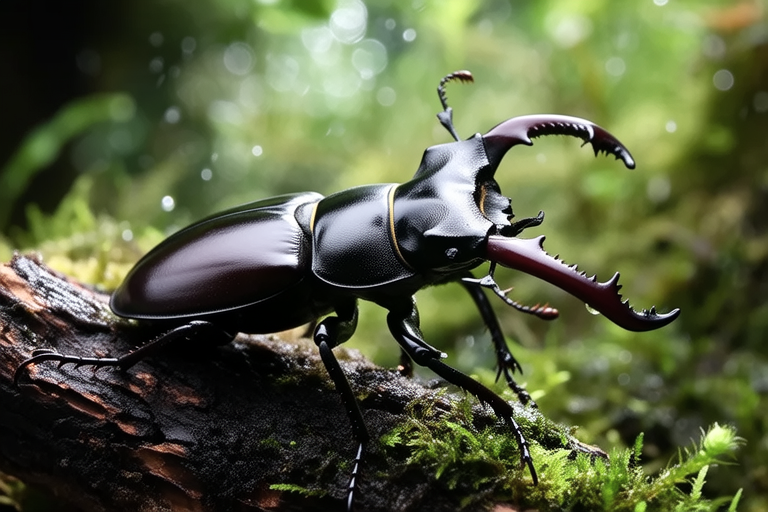
From Jungle to Home: How to Successfully Care for Your Heterometrus Spinifer
Introduction
The Heterometrus spinifer, commonly known as the Indian ornamental scorpion, is a fascinating arachnid native to the tropical forests of Southeast Asia. This species is not only a marvel of nature but also a popular choice among exotic pet enthusiasts due to its striking appearance and relatively manageable size. With a length ranging from 7 to 10 centimeters, the Heterometrus spinifer boasts a vivid coloration that can range from dark brown to black, often with lighter markings. Their natural habitat consists of humid, dense jungles where they thrive under rocks or within tree hollows. The adaptability and resilience of this species make them an intriguing addition to any reptile enthusiast’s collection.
Choosing to care for a Heterometrus spinifer as a pet offers a unique opportunity to observe and appreciate these creatures up close. However, it is essential to understand their specific needs and behaviors to ensure they thrive in captivity. This guide aims to provide comprehensive information on how to successfully care for your Heterometrus spinifer, covering everything from housing and diet to handling and health concerns.
Housing
Proper housing is crucial for the well-being of your Heterometrus spinifer. A glass terrarium with a secure lid is recommended, ensuring the enclosure is escape-proof while allowing adequate ventilation. The terrarium should be spacious enough to accommodate the scorpion comfortably; a minimum size of 10 gallons is advised for one adult specimen. Providing a variety of hiding spots such as cork bark, rocks, and artificial caves will mimic their natural environment and reduce stress.
Maintaining the right temperature and humidity levels is vital. The ideal temperature range for the Heterometrus spinifer is between 24°C and 30°C (75°F to 86°F). Use a thermostat-controlled heat mat or under-tank heater to achieve this, ensuring there is a temperature gradient within the enclosure. Humidity should be kept around 70% to 80%, which can be achieved through regular misting or by placing a water dish inside the tank.
Diet
The diet of a Heterometrus spinifer consists primarily of live insects. Feeding them appropriately is key to maintaining their health and vitality. Suitable prey items include crickets, mealworms, and dubia roaches. It is important to offer food that is appropriately sized for the scorpion, ensuring it does not exceed half the width of the scorpion’s body. Feed your scorpion once or twice a week, depending on its age and size.
Varying the diet occasionally with different types of insects can help ensure a balanced nutritional intake. Always ensure that the prey is gut-loaded (fed nutritious foods before being offered to the scorpion) to enhance its nutritional value. Additionally, providing occasional calcium supplements can support healthy growth and molting processes.
Handling
While the Heterometrus spinifer is generally docile, handling should be approached with caution and respect. These scorpions have potent venom, though it is typically not life-threatening to humans. Always wash your hands thoroughly after handling the scorpion or its enclosure to avoid transferring any harmful bacteria or chemicals.
When handling, gently grasp the scorpion behind the carapace (the hard exoskeleton covering the front part of its body). Avoid squeezing or pinching, as this can cause injury. It is advisable to wear gloves for added protection, especially when dealing with larger specimens. Handling should be minimized to prevent undue stress on the animal.
Health Concerns
Like all living creatures, Heterometrus spinifers are susceptible to certain health issues. Regular observation of your pet can help identify potential problems early. Common signs of illness include lethargy, refusal to eat, and changes in behavior. One of the most significant health concerns for scorpions is improper shedding during molting. To prevent complications, maintain optimal humidity levels and provide a soft substrate like coconut fiber or sphagnum moss. If you notice any difficulties during molting, refrain from handling the scorpion until it has fully recovered.
Predatory insects, such as ants or other small arthropods, may pose a threat to your scorpion if introduced into the enclosure accidentally. Regularly inspect the enclosure and its contents to ensure no unwanted guests are present. Quarantine any new additions to your collection for at least two weeks to minimize the risk of introducing pests or diseases.
Myths and Misconceptions
There are several misconceptions surrounding the keeping of Heterometrus spinifers as pets. One prevalent myth is that scorpions are aggressive and dangerous to humans. While they do possess venom, their sting is generally mild and serves primarily for hunting and defense. Another misconception is that scorpions require minimal care. In reality, providing the correct environment, diet, and attention is essential for their well-being.
Some people believe that scorpions cannot survive outside their natural habitat. However, with proper care, Heterometrus spinifers can thrive in captivity for many years. It is important to dispel these myths and promote responsible ownership, ensuring that potential owners are well-informed before committing to caring for these unique creatures.
Responsible Ownership
Owning a Heterometrus spinifer comes with responsibilities that extend beyond providing basic care. Responsible pet owners should educate themselves thoroughly about the species’ needs and behaviors. This includes understanding the commitment involved in caring for a long-lived pet and ensuring that they have the necessary resources and knowledge to meet those needs.
It is also crucial to consider the ethical implications of keeping exotic animals as pets. Ensuring that the scorpion was legally obtained and not taken from the wild is paramount. Supporting reputable breeders and suppliers who prioritize the welfare of their animals helps maintain ethical standards within the exotic pet community.
For those interested in learning more about caring for Heterometrus spinifers, there are numerous resources available. Joining online forums, subscribing to newsletters, and attending local reptile expos can provide valuable insights and connections with experienced hobbyists. Books and articles written by experts in the field offer in-depth knowledge and practical advice tailored to the specific requirements of these fascinating creatures.
