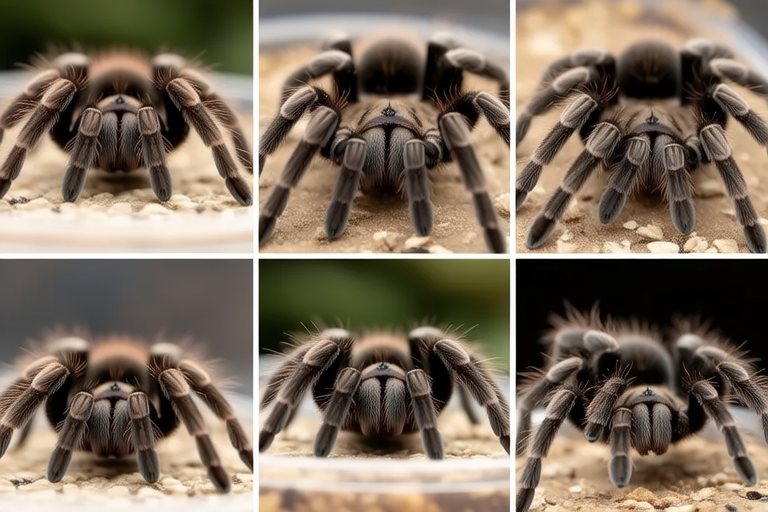
7 Common Mistakes Beginners Make When Taking Care of Their First Tarantula
Welcome to the fascinating world of tarantulas! These eight-legged wonders come from diverse environments, each requiring specific care. Unlike many pets, tarantulas have unique needs that can be challenging for new owners. They are sensitive to their surroundings and require particular attention to thrive. This guide aims to help you avoid common pitfalls and ensure your tarantula lives a long, healthy life.
Introduction: The Unique World of Tarantulas
Tarantulas are fascinating creatures that belong to the family Theraphosidae. With over 900 species, these spiders vary greatly in size, color, and behavior. While some tarantulas are docile and easy to handle, others are more aggressive and prefer solitude. Understanding these differences is crucial for providing proper care. This article will focus on the most common mistakes beginners make when caring for their first tarantula and offer practical advice to help you succeed.
Mistake 1: Not Providing Adequate Enclosure Space
Why It’s a Mistake: A small enclosure can lead to stress and health issues for your tarantula. Lack of space limits movement and can cause stress, which may affect its overall well-being.
How to Avoid It: Provide a spacious enclosure that allows your tarantula to move freely. For most tarantulas, the rule of thumb is a floor space of at least three times the length of the spider. Additionally, consider the height of the enclosure, as tarantulas often climb. Ensure the enclosure has secure ventilation to prevent escapes but keep drafts out.
Mistake 2: Incorrect Temperature and Humidity Levels
Why It’s a Mistake: Tarantulas are ectothermic, meaning they rely on external sources to regulate their body temperature. Incorrect temperatures can lead to sluggishness, poor digestion, and even death. Similarly, improper humidity levels can cause dehydration or respiratory issues.
How to Avoid It: Research the specific temperature and humidity requirements for your tarantula species. Use a reliable thermometer and hygrometer to monitor these conditions. Maintain a consistent temperature range between 75-85°F (24-29°C) and adjust humidity accordingly, usually between 60-80%. Regularly check and adjust these settings to ensure your tarantula’s comfort.
Mistake 3: Improper Substrate
Why It’s a Mistake: The substrate, or bedding material, directly impacts your tarantula’s ability to burrow, molt, and maintain hygiene. An inappropriate substrate can lead to difficulty in molting, increased risk of infections, and general discomfort.
How to Avoid It: Choose a substrate that mimics the natural environment of your tarantula species. Many species prefer coconut fiber, cypress mulch, or peat moss. Ensure the substrate is at least twice the depth of the tarantula’s leg span. Keep the substrate clean and replace it regularly to prevent mold and bacteria growth.
Mistake 4: Feeding Inappropriate Prey
Why It’s a Mistake: Overfeeding or feeding inappropriate prey can lead to obesity and digestive problems. Additionally, some prey items can harm your tarantula if they bite or sting.
How to Avoid It: Feed your tarantula appropriately sized prey, such as crickets, mealworms, or dubia roaches. Offer food every 5-7 days for adult tarantulas, adjusting based on their appetite and activity level. Always remove uneaten prey after 24 hours to prevent injury to your tarantula.
Mistake 5: Handling Your Tarantula Too Frequently
Why It’s a Mistake: Tarantulas are not typically social animals and may become stressed by frequent handling. Stress can weaken their immune system, making them more susceptible to illness.
How to Avoid It: Handle your tarantula only when necessary, such as during routine maintenance. When handling, support the entire body to avoid stressing the tarantula. Never grab or squeeze the spider. If you wish to interact more with your tarantula, consider using a glass tank with a clear lid to observe without direct contact.
Mistake 6: Neglecting to Clean the Enclosure
Why It’s a Mistake: A dirty enclosure can harbor harmful bacteria and parasites, leading to health issues for your tarantula. Poor hygiene also affects the air quality within the enclosure, potentially causing respiratory problems.
How to Avoid It: Regularly clean the enclosure, removing waste and uneaten prey. Change the substrate every few months or sooner if it becomes soiled. During cleaning, carefully inspect your tarantula for any signs of illness or injury. Proper hygiene ensures a healthy living environment for your pet.
Mistake 7: Ignoring Signs of Illness
Why It’s a Mistake: Early detection and treatment of illnesses are crucial for your tarantula’s survival. Ignoring signs of illness can allow conditions to worsen, leading to severe health issues or death.
How to Avoid It: Familiarize yourself with the normal behavior and appearance of your tarantula. Look for signs of distress, such as lethargy, loss of appetite, or unusual movements. If you notice anything amiss, consult a veterinarian specializing in exotic pets immediately. Early intervention can significantly improve your tarantula’s chances of recovery.
Tips for Successful Tarantula Care
Successfully caring for your tarantula involves more than avoiding mistakes; it requires proactive measures to maintain a healthy environment. Here are some additional tips:
- Regular Monitoring: Check your tarantula daily for changes in behavior, appearance, or habitat. Early detection of issues can prevent serious problems.
- Proper Hydration: Ensure your tarantula has access to water, either through a shallow dish or misting the enclosure. However, be cautious not to over-mist, as excess moisture can lead to mold growth.
- Environmental Enrichment: Provide hiding spots and climbing structures to stimulate natural behaviors. This can include cork bark, branches, and artificial plants.
- Safe Handling: Always handle your tarantula gently and with care. Support its entire body and avoid sudden movements.
- Consult Experts: Don’t hesitate to seek advice from experienced tarantula owners or veterinarians. They can provide valuable insights and help address any concerns you might have.
Maintaining a healthy environment for your tarantula requires commitment and attention to detail. By following these guidelines and avoiding common mistakes, you’ll ensure your tarantula enjoys a long, happy life.
