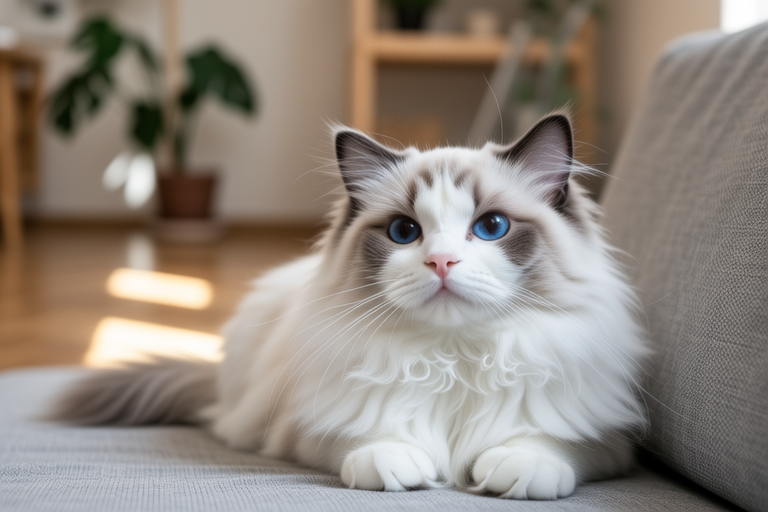
Lazy Days with a Lovable Companion: The Ultimate Guide to Ragdolls
Welcome to the world of Ragdolls, one of the most affectionate and docile breeds of cats. Known for their laid-back demeanor and love for human companionship, Ragdolls have become a favorite among cat enthusiasts. This comprehensive guide will introduce you to the unique characteristics and temperament of Ragdolls, discuss their origins, ideal living conditions, dietary needs, grooming, health care, and training. We’ll also explore the deep bond they form with their owners and provide advice for potential owners on what to expect when welcoming a Ragdoll into their home.
The Unique Characteristics and Temperament of Ragdolls
Ragdolls are known for their sweet, affectionate nature and docile demeanor. They are often described as ‘dog-like’ due to their tendency to follow their owners around and their willingness to be carried or held. Their calm and gentle personality makes them perfect companions for lazy days at home. Ragdolls are not only affectionate but also very intelligent, making them easy to train and teach tricks. Their laid-back attitude means they are generally good with children and other pets, making them ideal for family households.
Origins of the Ragdoll Breed
The Ragdoll breed originated in California in the mid-1960s, developed by Ann Baker. She selectively bred Persians and Birman cats to create a cat with a unique combination of traits. The name ‘Ragdoll’ comes from the cat’s tendency to go limp when picked up, much like a rag doll. Despite their relaxed nature, Ragdolls are not a low-energy breed; they enjoy playtime and interaction with their humans. Their large size and soft, plush coats make them visually striking and a joy to pet.
Ideal Living Conditions for Ragdolls
Ragdolls thrive in environments that cater to their need for comfort and companionship. They prefer homes where they can relax and enjoy the company of their owners. While they adapt well to apartment life, they do require regular interaction and stimulation. Providing them with climbing structures, scratching posts, and interactive toys will keep them mentally and physically engaged. Ragdolls are social creatures and benefit greatly from having a designated space where they can observe their surroundings and interact with family members.
Dietary Needs of Ragdolls
A balanced diet is essential for maintaining the health and vitality of Ragdolls. High-quality commercial cat food that meets their nutritional requirements is recommended. Look for foods rich in protein, fats, and essential vitamins and minerals. It’s important to avoid overfeeding, as Ragdolls can become overweight if not monitored carefully. Fresh water should always be available, and it’s advisable to consult with a veterinarian to determine the appropriate feeding schedule and portion sizes based on the cat’s age, weight, and activity level.
Grooming and Health Care
Ragdolls have long, silky coats that require regular grooming to prevent matting and tangles. Weekly brushing sessions can help maintain their coat’s health and shine. Bathing is generally unnecessary unless the cat gets particularly dirty. Regular dental care, including tooth brushing and professional cleanings, is crucial to prevent gum disease and other oral health issues. Routine veterinary check-ups, vaccinations, and parasite control are essential for keeping your Ragdoll healthy. Early detection and treatment of potential health issues can significantly improve the quality of life for your cat.
Training Ragdolls
Ragdolls are highly trainable and can learn various commands and tricks. Positive reinforcement techniques, such as treats and praise, work best for teaching them new behaviors. They can be trained to use a litter box, come when called, and even walk on a leash. Teaching them basic commands not only enhances their mental stimulation but also strengthens the bond between you and your feline companion. Consistency and patience are key when training Ragdolls, as they respond well to gentle guidance and encouragement.
The Bond Between Ragdolls and Their Owners
Ragdolls are known for forming strong bonds with their owners. They are affectionate and seek out human companionship, often curling up beside their owners on the couch or following them from room to room. Their loyalty and devotion make them excellent companions for individuals looking for a close relationship with their pet. By providing consistent attention, affection, and care, you can deepen this bond and ensure a happy, healthy relationship with your Ragdoll.
Advice for Potential Owners
Welcoming a Ragdoll into your home is an exciting yet significant commitment. Before bringing a Ragdoll home, consider the time and resources required to provide them with the care they need. Research reputable breeders or shelters to find a healthy and well-socialized Ragdoll. Prepare your home by creating a comfortable and safe environment for your new addition. Introduce them gradually to other pets and household routines to minimize stress. Be patient and attentive as your Ragdoll adjusts to their new surroundings. With proper care and attention, you can look forward to many years of companionship with your lovable Ragdoll.
In conclusion, Ragdolls are the perfect companions for those seeking a loving, gentle, and affectionate feline friend. Their unique characteristics, combined with their ease of care, make them ideal for both first-time and experienced cat owners. By understanding their needs and providing the right environment, you can ensure a happy and healthy life for your Ragdoll. Embrace the joy of lazy days spent with your new furry companion and cherish the special bond you will share.
