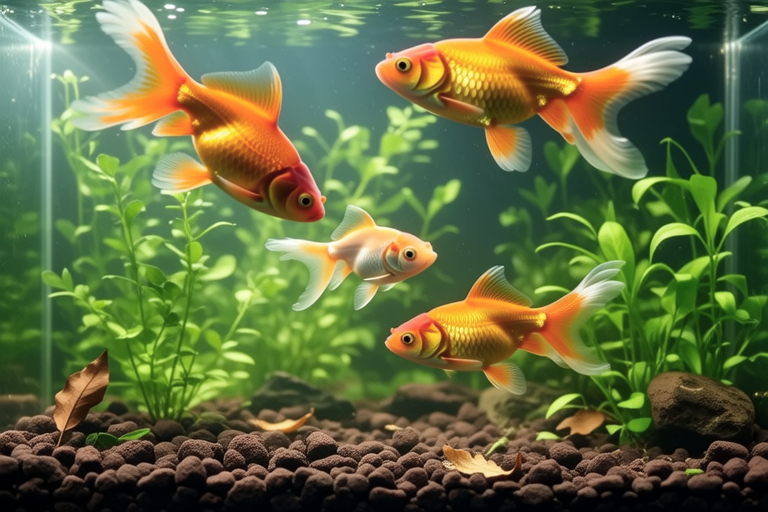
How to Make Your Goldfish Tank a Thriving Underwater Paradise
Welcome to the fascinating world of goldfish keeping! Creating a thriving underwater paradise for your goldfish involves more than just filling a bowl with water and adding fish. This guide will walk you through the steps necessary to set up a healthy, vibrant environment that ensures your goldfish live long, happy lives.
Selecting the Right Tank Size
The first step in building a goldfish tank is choosing the right size. Goldfish are active swimmers and need ample space to thrive. A general rule of thumb is one gallon of water per inch of fish. For example, a single adult goldfish requires at least a 20-gallon tank. Larger tanks provide better water stability and reduce stress on the fish. Avoid cramped conditions, which can lead to stunted growth and health issues.
Essential Equipment: Filtration, Lighting, Heaters
Investing in quality equipment is crucial for maintaining a healthy tank environment. A reliable filtration system removes waste, uneaten food, and harmful chemicals, ensuring clean water. Choose a filter that provides at least four times the volume of the tank in turnover per hour. Proper lighting enhances the aesthetic appeal and aids plant growth. Opt for a full-spectrum LED light, which mimics natural sunlight. Although goldfish are cold-water fish, a heater may be necessary if your home’s temperature fluctuates or if you’re introducing tropical plants.
Appropriate Substrate and Decorations
The substrate forms the base of your tank and contributes to its overall appearance. Gravel or sand is commonly used; choose small, smooth pieces to prevent injury to your fish. Decorations like rocks, driftwood, and caves offer hiding spots and enrich the tank’s visual appeal. However, ensure they are free from sharp edges or chemicals that could harm your goldfish.
Maintaining Water Quality: Testing and Changing
Regular water testing is vital to monitor ammonia, nitrite, and nitrate levels, as well as pH and hardness. High levels of these substances can be toxic to goldfish. Test kits are widely available and easy to use. Aim for a pH between 6.5 and 8.0, with 0 ppm of ammonia and nitrite, and less than 40 ppm of nitrate. Regular water changes—about 10-20% weekly—are necessary to maintain optimal water quality. Use a siphon to remove debris from the bottom and replace the water with dechlorinated, conditioned water.
Suitable Plants for Your Tank
Plants not only beautify the tank but also provide oxygen and absorb waste products. Hardy species like Java fern, Anubias, and Amazon swords are ideal for goldfish tanks. These plants are resistant to nibbling and can thrive in a variety of conditions. Plant placement should create layers, offering both open swimming areas and sheltered zones. Ensure adequate lighting and nutrients for the plants to flourish.
Feeding Guidelines
Goldfish have hearty appetites and require a balanced diet. Offer high-quality flake or pellet food daily, ensuring each fish gets its share. Limit feedings to what they can consume within two minutes to prevent overfeeding and waste buildup. Supplement their diet with occasional treats such as blanched vegetables, bloodworms, or brine shrimp. Rotate foods to provide a variety of nutrients. Overfeeding can lead to obesity and poor water quality, so moderation is key.
Common Health Issues and Prevention
Like any pet, goldfish are susceptible to health problems. Common issues include fin rot, swim bladder disorder, and parasites. Maintaining excellent water quality and a balanced diet can prevent many illnesses. Quarantine new additions for a few weeks before introducing them to the main tank to avoid spreading diseases. Regular observation helps catch early signs of trouble, allowing for prompt treatment.
Tips for Regular Maintenance
Consistent care keeps your goldfish tank running smoothly. Clean the filter regularly, replacing media as needed. Inspect equipment for wear and tear, and repair or replace as required. Perform routine checks on water parameters and adjust as necessary. Regularly trim and prune plants to keep them healthy and aesthetically pleasing. By staying proactive, you ensure a harmonious ecosystem where your goldfish can thrive.
In conclusion, creating a thriving underwater paradise for your goldfish involves careful planning and ongoing attention. By selecting the right tank size, investing in quality equipment, providing appropriate substrate and decorations, maintaining water quality, incorporating suitable plants, following proper feeding guidelines, being aware of common health issues, and adhering to regular maintenance routines, you can establish a balanced ecosystem that supports your goldfish’s health and happiness. Enjoy the rewarding experience of nurturing these delightful creatures in their aquatic home.
