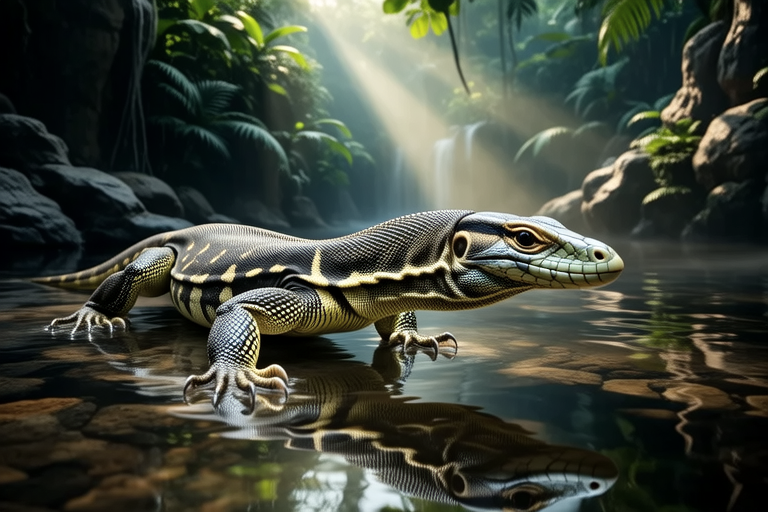
Aquatic Adventures: The Ultimate Guide to Caring for Water Monitors
Water monitors (Varanus salvator) are fascinating reptiles that captivate many reptile enthusiasts with their unique behaviors and impressive size. These semi-aquatic lizards are native to Southeast Asia, where they inhabit various environments such as mangroves, swamps, and forests. As pets, water monitors require specialized care to thrive in captivity. This comprehensive guide will cover essential topics including habitat setup, temperature and humidity requirements, diet and feeding habits, health concerns, social behavior, handling tips, and enrichment activities.
Habitat Setup
Creating an appropriate habitat is crucial for the well-being of your water monitor. A spacious enclosure with ample swimming space is necessary. For a juvenile, a tank measuring at least 4 feet by 2 feet by 2 feet (122 cm x 61 cm x 61 cm) can suffice. However, adult water monitors can grow up to 8 feet (244 cm) in length and require much larger enclosures. Many owners opt for custom-built enclosures or indoor-outdoor setups to accommodate these large animals.
The enclosure should include a deep water area that allows the monitor to fully submerge itself. The depth of the water should be approximately one-third of the lizard’s total body length. Additionally, provide sturdy climbing branches, rocks, and hiding spots to mimic their natural environment. Use substrate such as coconut fiber or bark chips, which can help maintain proper humidity levels while being easy to clean.
Temperature and Humidity Requirements
Water monitors are ectothermic, meaning they rely on external heat sources to regulate their body temperature. Maintaining the correct temperature gradient within the enclosure is vital for their metabolism and overall health. Provide a basking spot with temperatures ranging from 95°F to 100°F (35°C to 38°C), while the cooler side of the enclosure should remain between 75°F and 85°F (24°C to 29°C).
Humidity levels should be kept between 60% and 80%. This can be achieved through regular misting, the use of a humidifier, or incorporating a water feature into the enclosure. Proper humidity ensures healthy skin and prevents respiratory issues.
Diet and Feeding Habits
Water monitors are opportunistic carnivores with a diverse diet in the wild. In captivity, their diet should consist of high-quality commercial pellets, insects, rodents, fish, and occasionally eggs or other suitable prey items. Juveniles may eat smaller prey items like crickets, mealworms, and pinkie mice, while adults can consume larger prey such as adult mice, rats, and fish.
Feed your water monitor every two to three days, ensuring that each meal contains a variety of nutrients. Avoid overfeeding, as obesity can lead to health problems. Monitor their weight regularly to ensure they are maintaining a healthy body condition. Consult with a veterinarian specializing in exotic animals for specific dietary recommendations based on your monitor’s age and size.
Health Concerns
Regular veterinary check-ups are essential for monitoring your water monitor’s health. Common health issues include metabolic bone disease, parasites, respiratory infections, and injuries from improper handling or enclosure design. To prevent these problems:
- Provide adequate UVB lighting for calcium absorption and bone health.
- Ensure proper hygiene practices to minimize bacterial growth.
- Handle your monitor carefully to avoid stress-related illnesses.
If you notice any unusual symptoms, such as lethargy, loss of appetite, or abnormal discharge, consult a veterinarian immediately.
Social Behavior
Water monitors are solitary animals in the wild, and they do not typically form social bonds with other monitors. Housing multiple monitors together can lead to aggressive interactions, especially during feeding times. It is generally recommended to keep only one water monitor per enclosure unless you have a very large, well-designed enclosure with sufficient space for each animal.
While water monitors do not seek companionship from other monitors, they can develop strong bonds with their human caretakers. Providing consistent care and interaction can help build trust and make handling easier. However, always prioritize the safety and comfort of the monitor when interacting with them.
Handling Tips
Handling your water monitor requires patience, gentleness, and proper technique. Start by allowing your monitor to acclimate to its new environment before attempting to handle it. Approach slowly and calmly, offering treats if possible to encourage positive associations.
When picking up your monitor, support its entire body, including its tail. Avoid grabbing it too tightly, as this can cause stress or injury. Always supervise children when handling water monitors to ensure their safety and the welfare of the animal.
Enrichment Activities
To promote mental and physical stimulation, incorporate enrichment activities into your water monitor’s daily routine. Offer puzzle feeders filled with treats or hide food items throughout the enclosure to encourage foraging behavior. Rotate toys and accessories periodically to keep the environment interesting.
Allow supervised access to outdoor areas, if possible, to provide opportunities for natural exploration and exercise. Ensure the outdoor area is secure and free from hazards that could harm your monitor.
Conclusion
Caring for water monitors requires dedication, knowledge, and commitment. By providing an appropriate habitat, maintaining optimal temperature and humidity levels, offering a balanced diet, addressing potential health concerns, understanding their social behavior, employing safe handling techniques, and enriching their environment, you can ensure your water monitor leads a happy and healthy life.
Remember that owning a water monitor comes with significant responsibilities. Research thoroughly before making the decision to bring one into your home. With proper care, these remarkable reptiles can make rewarding companions for experienced reptile enthusiasts.
