How to Identify and Love Your Own Hotot Rabbit
Introduction
Welcome to the world of Hotot rabbits! These charming creatures have captivated many with their unique appearance and gentle demeanor. This guide will help you identify and love your very own Hotot rabbit. We’ll explore their distinct physical features, discuss their temperament and care needs, offer tips for bonding and training, address common health issues and preventive care, and share personal stories from experienced Hotot rabbit owners.
Unique Physical Characteristics of Hotot Rabbits
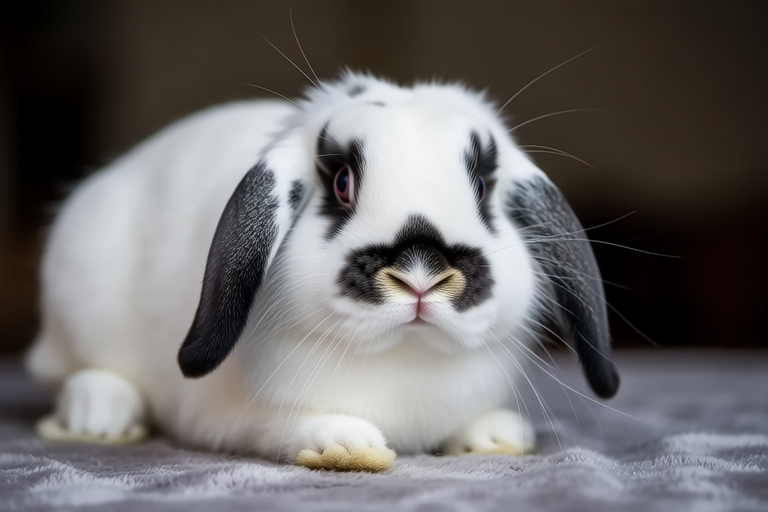
The Hotot rabbit is easily recognizable by its striking white fur and black rings around its eyes. The breed’s name comes from the French word for ‘eyebrow,’ reflecting this distinctive feature. Their bodies are compact and muscular, with short ears that stand upright. Hotots typically weigh between 4 to 6 pounds, making them medium-sized rabbits suitable for both indoor and outdoor living.
In addition to their eye-catching appearance, Hotots also possess a soft, dense coat that requires minimal grooming. Their small size and docile nature make them ideal companions for families and individuals alike.
Temperament and Care Requirements
Hotot rabbits are known for their calm and friendly disposition, which makes them excellent pets. They enjoy interacting with humans and can be trained to use a litter box, making them easy to manage in a household setting. However, like all rabbits, they require proper care to thrive.
Proper housing is crucial for any rabbit, but especially so for Hotots. A spacious cage or hutch with plenty of room to move around is essential. Indoor rabbits should have access to a safe area where they can run and play. Outdoor hutches should provide protection from extreme weather conditions and predators.
Diet plays a significant role in maintaining a Hotot rabbit’s health. A balanced diet consisting of hay, fresh vegetables, and pellets specifically formulated for rabbits ensures optimal nutrition. Fresh water should always be available. Regular exercise and mental stimulation are important for keeping your Hotot happy and healthy.
Tips for Bonding and Training
Bonding with your Hotot rabbit begins with establishing trust through positive reinforcement techniques such as treats and gentle handling. Spend time each day interacting with your pet, allowing it to become comfortable with your presence. Once trust has been established, you can begin training your Hotot rabbit to respond to commands or tricks using clicker training methods.
Training sessions should be brief (about 10 minutes) and held several times per week. Use small pieces of food as rewards during training to encourage good behavior. Consistency is key when teaching new behaviors; always use the same command words and gestures to avoid confusing your pet.
Building a strong bond with your Hotot rabbit takes time and patience, but the effort is well worth it. By spending quality time together and providing consistent care, you’ll create a loving relationship based on mutual respect and affection.
Common Health Issues and Preventive Care
Like all animals, Hotot rabbits are susceptible to certain health problems. Understanding these issues can help you provide better care for your pet and potentially prevent serious complications.
- Gastrointestinal Stasis: This condition occurs when the digestive system slows down or stops functioning properly. Symptoms include decreased appetite, reduced fecal production, and lethargy. Prevention involves maintaining a high-fiber diet and ensuring adequate hydration.
- Tooth Problems: Overgrown teeth can cause pain and difficulty eating. Regular dental checkups are necessary to catch any issues early before they become severe.
- Skin Conditions: Hotots may develop skin allergies or infections due to poor hygiene or environmental factors. Keeping their living space clean and dry helps reduce the risk of skin problems.
- Ear Mites: These tiny parasites can infest a rabbit’s ears, causing irritation and discomfort. Early detection through regular inspections allows prompt treatment.
Preventive care includes routine veterinary visits, vaccinations, and parasite control measures. Regular grooming sessions also contribute to overall wellness by promoting circulation and preventing matting.
Personal Stories and Experiences
Meet Sarah, who adopted a Hotot rabbit named Luna two years ago. “Luna was timid at first,” Sarah recalls, “but after some time spent building trust, she became incredibly affectionate. She loves sitting next to me while I read or watch TV.” Sarah emphasizes the importance of patience when bonding with a new pet.
Another owner, Mike, shares his experience with training his Hotot rabbit, Charlie. “Charlie learned how to use his litter box within just a few weeks,” he says proudly. “We used positive reinforcement techniques and kept training sessions short yet consistent.”
These real-life examples illustrate the rewarding experience of owning a Hotot rabbit. Whether you’re looking for companionship or a fun challenge, these delightful creatures offer endless opportunities for joy and connection.
Conclusion
Owning a Hotot rabbit is a rewarding experience that brings joy and companionship into your life. By understanding their unique physical characteristics, temperament, and care needs, you can provide your pet with a loving home and a fulfilling life. Remember to take advantage of resources available online and through local clubs to connect with other Hotot enthusiasts and share tips and experiences.
With proper attention and care, your Hotot rabbit will become an integral part of your family, bringing laughter, warmth, and happiness to every day.
