Leopard Gecko Care: Common Mistakes You Didn’t Know About
Introduction
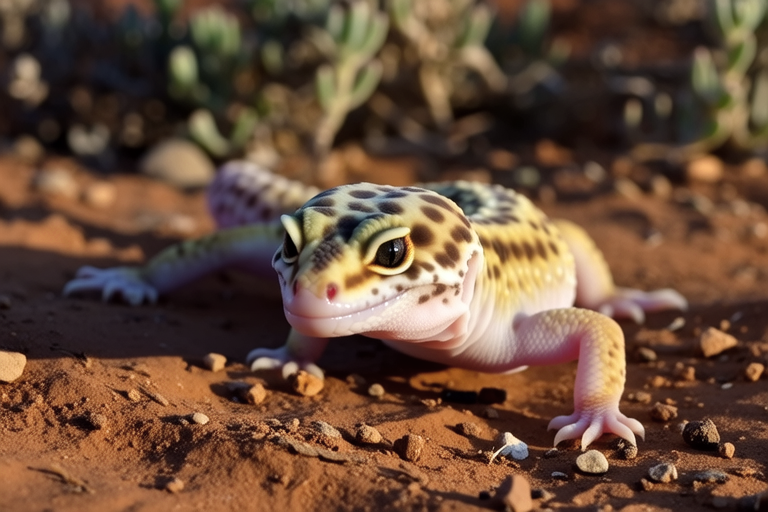
Welcome to the fascinating world of leopard geckos! These charming reptiles are among the most popular pets for both beginners and experienced reptile enthusiasts. Known for their docile nature, ease of care, and striking appearance, leopard geckos (Eublepharis macularius) have captivated many a pet owner. Originating from the rocky deserts of Afghanistan, Pakistan, India, and Iran, these geckos have adapted to thrive in dry, arid environments. They are nocturnal creatures, which means they are most active during the night, making them perfect companions for those who enjoy quiet, low-maintenance pets.
Caring for a leopard gecko requires attention to detail and understanding of their specific needs. From temperature and humidity control to diet and habitat setup, there are several aspects that need to be carefully managed to ensure your gecko’s health and happiness. However, even experienced owners can sometimes overlook certain crucial details or fall into common pitfalls that could negatively impact their pet’s well-being. This article will explore ten common mistakes made by leopard gecko owners, providing insights into why these errors occur and how to rectify them.
Common Mistakes Owners Make When Caring for Leopard Geckos
Mistake 1: Incorrect Temperature Gradient
One of the most critical aspects of leopard gecko care is maintaining the right temperature gradient within their enclosure. A proper thermal gradient allows the gecko to thermoregulate, meaning it can move between warmer and cooler areas as needed. Many novice owners often set up a single heat source in one corner of the tank, creating a hotspot that doesn’t provide adequate cooling options.
Why It’s Problematic: Without a proper gradient, your gecko may overheat or fail to reach its optimal body temperature for digestion and activity. Overheating can lead to stress, dehydration, and even death if prolonged. On the other hand, if the entire enclosure becomes too cold, your gecko might suffer from poor digestion and decreased immune function.
How to Correct: Use a digital thermometer and multiple thermometers placed at different points along the gradient to monitor temperatures accurately. Aim for a warm side ranging from 88°F to 90°F (31°C to 32°C) and a cool side around 75°F to 80°F (24°C to 27°C). Ensure there’s no direct contact between the heating element and the gecko by using under-tank heaters or ceramic heat emitters properly shielded.
Mistake 2: Insufficient UVB Lighting
While leopard geckos don’t require UVB lighting like some other reptiles, providing it can still benefit their overall health. Some owners mistakenly believe UVB is unnecessary since leopard geckos are primarily ground-dwelling animals.
Why It’s Problematic: Lack of UVB exposure can result in vitamin D3 deficiency, leading to metabolic bone disease (MBD), characterized by weak bones, deformities, and difficulty moving. While leopard geckos can synthesize vitamin D3 through their diet, having access to UVB light can enhance this process and support better calcium absorption.
How to Correct: If you choose to provide UVB lighting, select a bulb specifically designed for reptiles with a 5% UVB output and place it within 12 inches (30 cm) of the basking area. Replace the bulb every six months, even if it still appears functional, as UVB output diminishes over time. Remember, UVB bulbs should be used alongside regular basking lights for warmth.
Mistake 3: Poor Habitat Setup
The enclosure plays a vital role in keeping your leopard gecko comfortable and healthy. Many owners make the mistake of setting up a habitat without considering the gecko’s natural behavior and preferences.
Why It’s Problematic: An improperly set-up habitat can cause stress, anxiety, and physical discomfort. For example, insufficient hiding spots might make your gecko feel exposed and vulnerable, while overcrowding can lead to competition for resources.
How to Correct: Provide plenty of hiding spots such as caves, tunnels, and artificial plants. These should be large enough for your gecko to fully enter but small enough to feel secure. Ensure the substrate is safe and easy to clean; avoid substrates like sand, which can cause impaction if ingested. Opt for paper towels, reptile carpet, or coconut fiber bedding instead.
Mistake 4: Improper Feeding Schedule
Feeding leopard geckos correctly is essential for their growth and health. Some owners feed their geckos too frequently or too infrequently, leading to malnutrition or obesity.
Why It’s Problematic: Overfeeding can result in obesity, fatty liver disease, and reduced life expectancy. Conversely, underfeeding can cause weight loss, weakened immune systems, and stunted growth.
How to Correct: Feed juvenile geckos daily, gradually reducing frequency as they mature. Adult geckos should be fed every two to three days. Offer appropriately sized prey items such as crickets, mealworms, dubia roaches, and waxworms. Dust the food with a high-quality calcium supplement twice weekly and multivitamins once weekly.
Mistake 5: Inadequate Humidity Levels
Leopard geckos come from arid environments but still require some level of humidity to aid in shedding. Maintaining appropriate humidity levels is crucial, especially during shedding periods.
Why It’s Problematic: Low humidity can cause shedding difficulties, resulting in retained shed skin, particularly around toes and tail tips. High humidity can promote bacterial and fungal growth, increasing the risk of respiratory infections.
How to Correct: Maintain humidity between 30% and 40%. Use a hygrometer to measure humidity levels and mist the enclosure lightly once or twice daily. Place a shallow water dish in the cool end of the tank to help maintain moisture. Avoid soaking the substrate, which can lead to mold growth.
Mistake 6: Using Unsafe Substrates
The choice of substrate can significantly affect your gecko’s health. Some substrates pose choking hazards or can cause impaction if ingested.
Why It’s Problematic: Substrates like sand, crushed walnut shells, and calci-sand can be harmful if swallowed. These materials can block the digestive tract, leading to severe health issues and potentially death.
How to Correct: Opt for safer alternatives such as paper towels, reptile carpet, or coconut fiber bedding. These options are easier to clean and less likely to cause impaction. Regularly check the substrate for cleanliness and replace it as necessary.
Mistake 7: Not Providing Enough Hiding Spots
Hiding spots are essential for a leopard gecko’s mental well-being. Many owners underestimate the importance of providing multiple hiding places throughout the enclosure.
Why It’s Problematic: Without adequate hiding spots, your gecko may become stressed, anxious, and less active. Stress can weaken the immune system and lead to various health problems.
How to Correct: Provide at least two hiding spots—one in the warm area and another in the cool area. Ensure each hiding spot is large enough for your gecko to fit comfortably inside. Consider adding live or artificial plants to create additional hiding spaces.
Mistake 8: Ignoring Signs of Illness
Leopard geckos are masters at hiding signs of illness, making it challenging for owners to detect early symptoms. Some owners may overlook subtle changes in behavior or appearance.
Why It’s Problematic: Delayed treatment can allow minor issues to escalate into more serious conditions. Early intervention is key to ensuring your gecko receives prompt medical care.
How to Correct: Monitor your gecko regularly for any unusual behaviors, such as lethargy, loss of appetite, difficulty breathing, or changes in stool consistency. Consult a veterinarian specializing in reptiles if you notice anything amiss. Regular check-ups can also help catch potential problems before they become severe.
Mistake 9: Overcrowding
Leopard geckos should never be housed together unless they are a breeding pair. Keeping multiple geckos in the same enclosure can lead to territorial disputes and stress.
Why It’s Problematic: Housing multiple geckos together increases the risk of injuries from biting or tail whipping. Additionally, overcrowding can lead to competition for food and space, causing undue stress and potential health issues.
How to Correct: Always house only one adult leopard gecko per enclosure unless you have a breeding setup with a male and female. If you wish to keep multiple geckos, provide separate enclosures with individual feeding stations and hiding spots.
Mistake 10: Neglecting Environmental Enrichment
Environmental enrichment helps stimulate mental and physical activity, promoting overall well-being. Some owners neglect to provide stimulating elements within the enclosure.
Why It’s Problematic: Boredom can lead to behavioral issues such as pacing, excessive hiding, or lethargy. Mental stimulation is just as important as physical exercise for maintaining good health.
How to Correct: Add items like climbing branches, tunnels, and shallow water dishes to encourage exploration. Rotate toys periodically to keep things interesting. Provide opportunities for digging and burrowing by offering safe substrates like coconut fiber bedding.
Tips for Maintaining a Healthy Environment for Leopard Geckos
To ensure your leopard gecko remains happy and healthy, follow these additional tips:
- Regular Vet Visits: Schedule annual check-ups with a reptile veterinarian to monitor your gecko’s health.
- Proper Hygiene: Clean the enclosure thoroughly every week, removing waste and replacing soiled substrate. Disinfect all surfaces regularly using a reptile-safe cleaner.
- Safe Handling: Always handle your gecko gently, supporting its body and avoiding sudden movements. Wash your hands before and after handling to prevent the spread of bacteria.
- Diet Variety: Offer a varied diet including different types of insects to ensure a balanced nutritional intake.
- Monitor Growth: Keep track of your gecko’s weight and length to ensure it’s growing appropriately. Sudden changes in size or weight can indicate underlying health issues.
In conclusion, while leopard geckos are relatively low-maintenance pets, they still require attentive care to thrive. By being aware of common mistakes and taking proactive steps to address them, you can provide your gecko with a healthy, enriching environment. With proper knowledge and dedication, you’ll enjoy many years of companionship with these delightful reptiles.
