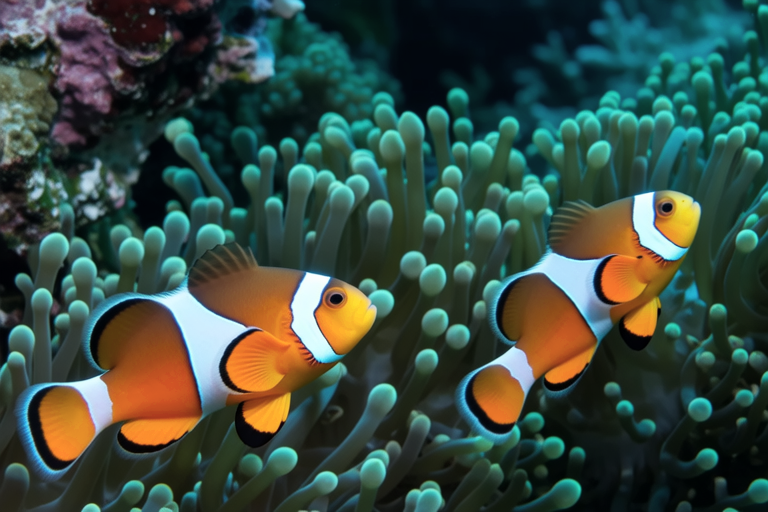
Clownfish: Natural Habitat vs. Aquarium Life
The clownfish, or Amphiprioninae, is a popular choice for many aquarists due to its vibrant colors and relatively easy care requirements. However, understanding the differences between their natural habitat and the artificial environments they inhabit in home aquariums is crucial for ensuring their well-being. This article delves into the complexities of replicating the wild environment in captivity and explores how these differences impact the longevity and health of clownfish.
Natural Habitat of Clownfish
In the wild, clownfish primarily inhabit coral reefs across the Indo-Pacific region, including the Great Barrier Reef off Australia’s coast. These fish form symbiotic relationships with certain sea anemones, which provide them with shelter and protection from predators. The anemone’s tentacles contain stinging cells called nematocysts, which can paralyze small prey but do not harm the clownfish due to a layer of mucus that protects them. In return, the clownfish defends the anemone from predators like butterflyfish and provides nutrients through their waste.
Clownfish live in groups within these anemones, often with a single breeding pair and several non-breeding males. They exhibit complex social structures and behaviors, such as aggressive displays and hierarchical interactions. These behaviors are essential for maintaining order within the group and ensuring that the dominant pair remains in control of reproduction. Clownfish also display territoriality, defending their anemone from intruders.
The water conditions in their natural habitat are optimal for their survival. The temperature ranges between 72°F and 82°F (22°C and 28°C), with a salinity level of around 35 parts per thousand (ppt). The pH level is usually between 8.1 and 8.4, and the water is rich in dissolved oxygen. Clownfish thrive in these conditions, as they have adapted to them over millions of years.
Despite their relative safety within the anemone, clownfish face numerous threats in the wild. Predators such as larger fish, birds, and even humans pose significant risks. Additionally, environmental factors like pollution, climate change, and coral reef degradation can negatively affect their habitat and overall population. However, clownfish have evolved various strategies to survive in their natural environment, including their unique relationship with sea anemones.
Clownfish in Home Aquariums
Keeping clownfish in home aquariums has become increasingly popular among hobbyists. However, creating an environment that closely mimics their natural habitat presents several challenges. One of the most significant challenges is providing adequate space for the fish to swim and establish territories. A tank that is too small can lead to stress, aggression, and poor health. As a general rule, a 20-gallon tank is suitable for a single clownfish, while larger tanks are recommended for multiple individuals.
Water quality is another critical factor in maintaining healthy clownfish in captivity. Proper filtration systems, regular water changes, and monitoring of key parameters such as temperature, salinity, pH, and ammonia levels are essential. Many aquarists use heaters to maintain a stable temperature range of 76°F to 82°F (24°C to 28°C) and salt mix to achieve the correct salinity level. Additionally, it’s important to ensure that the water contains sufficient dissolved oxygen and is free from harmful substances.
Diet is another area where aquarists must take care when keeping clownfish. In the wild, clownfish feed on algae, plankton, and small invertebrates. In captivity, a balanced diet consisting of high-quality flake food, frozen foods, and occasional treats like mysis shrimp or brine shrimp can help maintain their health. It’s important to avoid overfeeding, as excess food can lead to poor water quality and obesity.
Safety from predators is a concern in both natural and captive environments. While clownfish are protected by sea anemones in the wild, they may still face threats from larger fish or aggressive tankmates in home aquariums. To prevent this, aquarists should carefully select compatible tankmates and provide hiding spots, such as rocks or artificial caves. Additionally, some aquarists choose to house clownfish in species-specific tanks to minimize the risk of aggression.
Behavioral Differences
Clownfish behavior can differ significantly between their natural habitat and home aquariums. In the wild, clownfish exhibit complex social structures and behaviors, such as aggressive displays and hierarchical interactions. These behaviors are essential for maintaining order within the group and ensuring that the dominant pair remains in control of reproduction. However, in captivity, these behaviors may be altered due to the smaller tank size and lack of natural stimuli.
For example, in a home aquarium, clownfish may become more aggressive towards tankmates or less active due to stress. Additionally, the absence of natural predators and competitors may lead to changes in their behavior. For instance, clownfish in captivity may not exhibit the same level of territoriality as those in the wild, as they do not need to defend their anemone from other fish.
Another difference in behavior is related to feeding. In the wild, clownfish rely on a diverse diet of algae, plankton, and small invertebrates. In captivity, aquarists must provide a balanced diet consisting of high-quality flake food, frozen foods, and occasional treats like mysis shrimp or brine shrimp. However, clownfish in captivity may become picky eaters or develop unhealthy eating habits if not provided with a varied diet.
Health and Longevity
The health and longevity of clownfish in captivity depend on various factors, including water quality, diet, and behavioral enrichment. In the wild, clownfish have adapted to their environment over millions of years, allowing them to thrive in their natural habitat. However, in captivity, clownfish may face challenges that can negatively impact their health and lifespan.
One of the most significant challenges is maintaining proper water quality. Poor water quality can lead to a variety of health issues, including fin rot, ich, and other parasitic infections. Regular water changes, proper filtration, and monitoring of key parameters such as temperature, salinity, pH, and ammonia levels are essential for preventing these problems. Additionally, overcrowding and inadequate tank size can lead to stress, aggression, and poor health.
Diet is another critical factor in maintaining healthy clownfish in captivity. A balanced diet consisting of high-quality flake food, frozen foods, and occasional treats like mysis shrimp or brine shrimp can help maintain their health. However, overfeeding can lead to obesity and poor water quality, while underfeeding can result in malnutrition and weakened immune systems.
Behavioral enrichment is also important for maintaining the health and well-being of clownfish in captivity. Providing hiding spots, rocks, and artificial caves can help reduce stress and promote natural behaviors. Additionally, some aquarists use toys or enrichment devices to stimulate their fish and encourage exploration. However, it’s important to note that not all clownfish will respond positively to enrichment, and some may prefer a more minimalist setup.
Challenges of Replicating Their Natural Environment
Replicating the natural environment of clownfish in captivity presents several challenges. One of the most significant challenges is providing adequate space for the fish to swim and establish territories. A tank that is too small can lead to stress, aggression, and poor health. Additionally, creating a suitable habitat for clownfish requires careful consideration of water quality, temperature, salinity, and pH levels. Maintaining these parameters can be challenging, especially for novice aquarists.
Another challenge is providing a suitable diet for clownfish in captivity. While high-quality flake food, frozen foods, and occasional treats can help maintain their health, it’s important to avoid overfeeding and provide a balanced diet. Additionally, some aquarists may struggle to find suitable food options for their clownfish, particularly if they have dietary preferences or restrictions.
Finally, creating a suitable habitat for clownfish in captivity requires careful selection of tankmates and the provision of hiding spots. Some aquarists may struggle to find compatible tankmates for their clownfish, particularly if they have aggressive tendencies or territorial behavior. Additionally, providing hiding spots can be challenging, especially in smaller tanks or those with limited space.
Responsibilities of Keeping Clownfish in Aquariums
Keeping clownfish in home aquariums requires careful attention to detail and a commitment to their well-being. Aquarists must provide adequate space, maintain proper water quality, and offer a balanced diet to ensure the health and happiness of their fish. Additionally, aquarists should carefully select compatible tankmates and provide hiding spots to reduce stress and promote natural behaviors.
It’s important to note that keeping clownfish in captivity can have both positive and negative impacts on their populations. On one hand, responsible aquarists can help conserve wild populations by reducing the demand for wild-caught fish. On the other hand, irresponsible practices can contribute to overfishing and habitat destruction. Therefore, it’s crucial for aquarists to prioritize ethical sourcing and sustainable practices when acquiring clownfish for their tanks.
Conclusion
Clownfish are fascinating creatures that have adapted to life in coral reefs across the Indo-Pacific region. While keeping them in home aquariums can be rewarding, it’s important to understand the challenges of replicating their natural environment in captivity. By providing adequate space, maintaining proper water quality, and offering a balanced diet, aquarists can help ensure the health and happiness of their clownfish. Additionally, responsible aquarists can contribute to marine conservation efforts by prioritizing ethical sourcing and sustainable practices. Ultimately, the key to successful clownfish keeping lies in a deep understanding of their needs and behaviors, as well as a commitment to their well-being.
