Top 10 Fun Facts About Every Owner’s Favorite Orange Cat
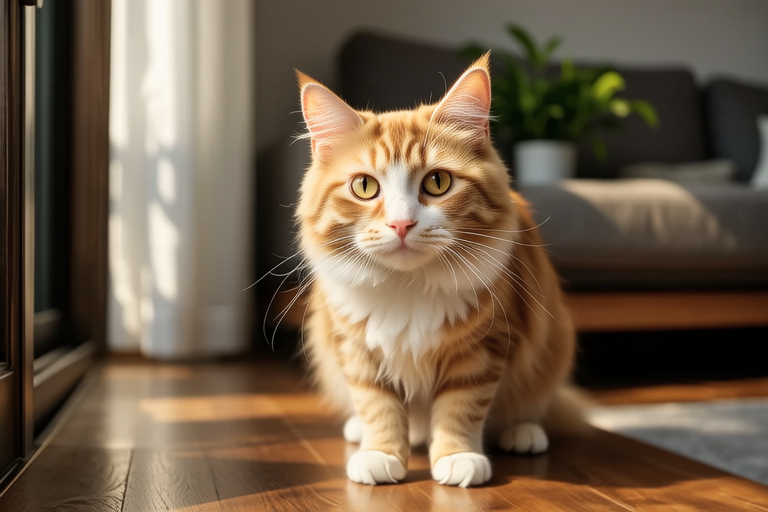
Orange cats, with their striking coats and charismatic personalities, have captured the hearts of many pet owners around the world. These felines are not just known for their beautiful appearance but also for their unique behaviors and intriguing histories. In this article, we delve into the top 10 fun facts about every owner’s favorite orange cat, covering genetics, behavior, history, and health.
1. The Genetic Magic Behind Their Color
The vibrant orange color of these cats is a result of a genetic quirk. Orange cats, often referred to as ginger or marmalade cats, owe their coat color to a specific gene on the X chromosome. This gene is responsible for producing a pigment called melanin, which gives them their distinctive hue. Interestingly, this gene is carried by both males and females, but it is more commonly expressed in males due to their XY sex chromosomes. Female cats need two copies of the gene (one from each parent) to exhibit the orange coloration, making orange female cats rarer than their male counterparts.
A study conducted by the University of California, Davis, found that approximately 80% of orange cats are male. This statistic highlights the genetic complexity behind the coloration, making orange cats a fascinating subject for geneticists and cat enthusiasts alike.
2. A History Rich with Legends
Orange cats have been part of human culture for centuries, featuring in folklore and mythology across different parts of the world. In ancient Egypt, cats were revered as sacred animals, and the color orange was associated with royalty and divinity. The Egyptian goddess Bastet, who was often depicted with a cat’s head, was sometimes portrayed with an orange coat, symbolizing her divine status.
In European folklore, orange cats were believed to possess magical abilities, such as the power to ward off evil spirits and bring good luck. Sailors in particular held orange cats in high regard, believing they could protect ships from storms and ensure safe voyages. This belief was so strong that many ships had their own resident orange cat, a tradition that continues in some maritime communities today.
3. The Social Butterflies of the Feline World
Orange cats are known for their sociable and affectionate nature, often forming strong bonds with their human companions. They tend to be more outgoing and playful compared to other breeds, making them excellent pets for families and individuals alike. Studies have shown that orange cats are more likely to seek attention and engage in interactive play, which can help strengthen the bond between the cat and its owner.
One notable example of an orange cat’s social nature is Tigger, a ginger tabby who became an internet sensation for his playful antics and close relationship with his human family. Tigger’s popularity demonstrates the appeal of orange cats as companions, showcasing their ability to bring joy and laughter into people’s lives.
4. The Myth of Aggression
There is a common misconception that orange cats are more aggressive or territorial than other breeds. However, research has debunked this myth, revealing that the temperament of an orange cat is largely influenced by its environment and upbringing rather than its coat color. While some orange cats may exhibit more dominant behaviors, this is not exclusive to their breed and can vary greatly among individual cats.
A study published in the Journal of Veterinary Behavior found no significant correlation between coat color and aggression in cats. Instead, factors such as early socialization, living conditions, and individual personality play a much larger role in determining a cat’s behavior. Therefore, it is important to approach each orange cat as an individual and provide them with the care and attention they need to thrive.
5. Unique Health Considerations
While orange cats are generally healthy, they do face some unique health challenges. One of the most well-known issues is a higher risk of developing certain types of cancer, particularly lymphoma and oral squamous cell carcinoma. This increased risk is thought to be linked to the gene responsible for their orange coloring. Studies have shown that orange cats are twice as likely to develop these cancers compared to cats with other coat colors.
In addition to cancer, orange cats are also more prone to obesity, which can lead to a variety of health problems if left unchecked. It is therefore crucial for owners to monitor their orange cat’s diet and ensure they receive proper exercise to maintain a healthy weight. Regular veterinary check-ups can help catch potential health issues early and ensure your orange cat stays happy and healthy for years to come.
6. The Mysterious Night Vision
Orange cats, like all cats, have exceptional night vision, thanks to a specialized layer of tissue at the back of their eyes called the tapetum lucidum. This reflective layer helps to amplify available light, allowing cats to see in near-dark conditions. While all cats possess this feature, orange cats seem to have an even greater advantage when it comes to nighttime activities.
Research has shown that orange cats can detect light levels six times lower than what humans can perceive, making them nearly invisible hunters in the dark. This heightened sensitivity to light is thought to contribute to their reputation as skilled hunters, often catching prey that other cats might miss. So, the next time you see your orange cat darting through the shadows, remember that their night vision is truly remarkable!
7. The Curious Case of the Tortoiseshell
Tortoiseshell cats, with their striking patterns of orange, black, and white fur, are actually a variation of the orange cat. These cats carry two different versions of the X chromosome, one with the orange gene and one without, resulting in the unique patchwork pattern. Tortoiseshell cats are almost exclusively female, as they require two X chromosomes to inherit both the orange and non-orange genes.
Despite their rarity, tortoiseshell cats are highly sought after for their beauty and charm. Many owners describe their tortoiseshell companions as having a strong, independent personality, often referred to as “tortitude.” This term, coined by cat enthusiasts, captures the spirited and sometimes unpredictable nature of these special cats.
8. The Playful Nature of Orange Cats
Orange cats are renowned for their playful and energetic personalities, often engaging in games and activities that keep them entertained throughout the day. One of the most popular toys for orange cats is the laser pointer, which allows them to chase and pounce on the moving dot of light. This simple yet effective toy taps into the natural hunting instincts of cats, providing mental and physical stimulation.
Owners of orange cats often share stories of their pets’ creative play, such as chasing imaginary prey or inventing new games with household objects. These antics not only showcase the intelligence of orange cats but also highlight their adaptability and resourcefulness. Encouraging playtime is essential for maintaining the physical and mental well-being of your orange cat, helping to prevent boredom and behavioral issues.
9. The Lifespan of an Orange Cat
On average, orange cats live between 12 to 16 years, although this can vary depending on factors such as genetics, lifestyle, and overall health. Some orange cats have been known to live well into their late teens, with proper care and attention. Factors such as a balanced diet, regular exercise, and routine veterinary visits can all contribute to a longer, healthier life for your orange cat.
One notable case is Whiskers, an orange cat who lived to be 22 years old. Whiskers’ longevity was attributed to a combination of factors, including a healthy diet, regular veterinary care, and a loving home environment. This exceptional lifespan serves as a reminder of the importance of providing your orange cat with the best possible care to ensure they enjoy a long and fulfilling life.
10. The Symbolism of the Orange Cat
Throughout history, orange cats have held various symbolic meanings in different cultures. In Japan, orange cats are considered symbols of good fortune and prosperity, often featured in art and literature. In Chinese culture, orange cats are associated with happiness and success, believed to bring positive energy into homes and businesses.
Today, orange cats continue to hold a special place in the hearts of many, symbolizing warmth, affection, and joy. Their vibrant presence adds a touch of color and life to our homes, reminding us of the simple pleasures that come with sharing our lives with these wonderful creatures.
In conclusion, orange cats are not only stunning in appearance but also fascinating in their behaviors, genetics, and history. From their genetic makeup to their playful nature and unique health considerations, there is always something new to learn about these beloved pets. Whether you’re a seasoned cat owner or a newcomer to the world of feline companionship, orange cats offer a lifetime of joy, companionship, and discovery.
