A Journey into the Vibrant World of Clownfish Varieties
Clownfish, or anemonefish, have captured the hearts of aquarium enthusiasts and casual beachgoers alike with their striking colors and fascinating behaviors. These small, vibrant fish are not only visually appealing but also serve as a symbol of resilience and adaptability within the marine ecosystem. Their popularity soared after the release of the movie Finding Nemo, which brought to light the unique relationship between clownfish and sea anemones. This article delves into the world of clownfish, exploring their natural habitats, behaviors, and the diverse array of species available.
The General Appeal and Popularity of Clownfish
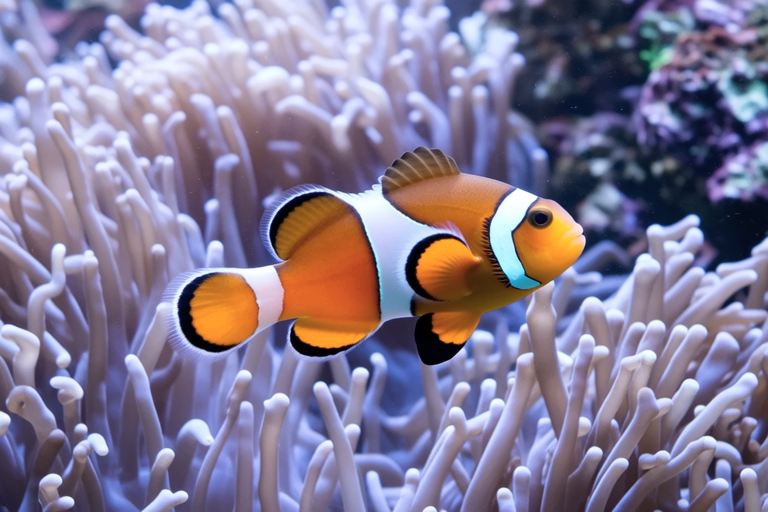
Clownfish have long been admired for their bold color patterns and distinctive personalities. Their bright hues of orange, yellow, and white, often accented with black or maroon stripes, make them stand out in the ocean’s vast expanse. These characteristics have made them popular subjects in art, literature, and film, further enhancing their appeal to a wide audience. Beyond their aesthetic charm, clownfish are known for their curious and interactive nature, making them a favorite among divers and snorkelers who enjoy observing marine life in its natural habitat.
Natural Habitat and Behavior
Native to the warm waters of the Pacific and Indian Oceans, clownfish are typically found in coral reefs, lagoons, and seaward reefs. They form symbiotic relationships with certain species of sea anemones, living among their tentacles and providing mutual benefits. The sea anemone’s tentacles, laden with stinging cells called nematocysts, protect the clownfish from predators, while the clownfish, in turn, provides nutrients through its waste and attracts prey for the anemone.
The precise mechanism behind this symbiosis is still under investigation. Some theories suggest that the clownfish’s mucus layer may offer protection against the anemone’s sting, allowing it to live safely within its tentacles. Additionally, clownfish are territorial and will aggressively defend their anemone homes from intruders, ensuring a safe environment for both parties.
Common Types of Clownfish
Ocellaris Clownfish (Amphiprion ocellaris)
The Ocellaris, or false clownfish, is perhaps the most recognizable species due to its iconic appearance. It features three white bars on an orange body, with the tail fin being almost entirely white. These fish are highly adaptable and can thrive in various environments, making them popular choices for both home aquariums and public displays. In the wild, they are found in shallow waters near coral reefs, where they can be observed darting around their anemone homes.
Tomato Clownfish (Amphiprion frenatus)
Distinctly red in color, the Tomato clownfish is larger than its Ocellaris counterpart and has fewer visible white stripes. This species is known for its aggressive behavior and territorial instincts, which make it a dominant figure in its reef community. Tomato clownfish are excellent at defending their territory and are often seen chasing away potential threats. Their robust nature makes them ideal candidates for experienced aquarists looking to add a touch of color and excitement to their tanks.
Rare Species and Their Distinguishing Features
Maroon Clownfish (Premnas biaculeatus)
Among the rarer species, the Maroon clownfish stands out with its deep maroon color and thick, dark bands. This species is particularly large, reaching lengths of up to 14 centimeters, and is known for its strong, assertive personality. Maroons are less commonly found in the wild and are therefore more sought after in the aquarium trade. They require spacious tanks and a stable environment to thrive, making them a challenge for even the most seasoned aquarists.
Percula Clownfish (Amphiprion percula)
Slightly smaller than the Ocellaris, the Percula clownfish shares a similar color pattern but is more vividly colored. Its fins are adorned with bright yellow edges, adding a splash of color to any aquarium. Despite their striking appearance, Perculas are less hardy than some other species and require careful attention to water quality and temperature. Their unique beauty and delicate nature make them a favorite among collectors.
Care Requirements for Pet Clownfish
When considering clownfish for a home aquarium, it is crucial to understand their specific needs to ensure their well-being. A well-maintained tank with appropriate water parameters is essential for their health and longevity.
Diet
Clownfish are omnivorous, feeding on a variety of foods including algae, plankton, and small invertebrates. In captivity, they can be fed a diet of high-quality flake food, pellets, and occasional treats like frozen or live brine shrimp. It is important to provide a balanced diet rich in nutrients to support their growth and immune system.
Tank Conditions
Clownfish thrive in saltwater aquariums with stable water conditions. A pH level between 8.1 and 8.4, a temperature range of 76-82°F, and a salinity of 1.020 to 1.025 are recommended. Regular monitoring of these parameters is necessary to maintain optimal conditions. Additionally, providing ample hiding spots and incorporating live rock can enhance the tank’s ecosystem and promote stress-free living for the clownfish.
Compatibility with Other Marine Life
Clownfish are generally peaceful and can coexist with other non-aggressive species. However, they can become territorial if space is limited or if they perceive another fish as a threat. It is advisable to introduce clownfish to an established tank with a stable population to minimize stress and aggression. Compatibility can vary based on individual temperament and tank dynamics, so careful observation is key.
Conservation Status and Human Impact
Despite their widespread popularity, many clownfish species face challenges in the wild. Overfishing for the aquarium trade, habitat destruction due to climate change, and pollution have all contributed to declining populations. Conservation efforts, such as sustainable fishing practices and marine protected areas, are crucial to preserving these vibrant creatures.
Efforts are underway to raise awareness about the importance of protecting clownfish habitats and promoting responsible aquaculture practices. By supporting ethical aquarium suppliers and participating in reef restoration projects, individuals can contribute to the preservation of these fascinating fish.
In conclusion, the journey into the world of clownfish reveals a rich tapestry of colors, behaviors, and adaptations that make them truly remarkable. Whether observed in their natural habitats or cared for in home aquariums, clownfish continue to captivate and inspire. As we deepen our understanding of these creatures, it is our responsibility to ensure their survival for future generations to appreciate and admire.
