From Royalty to Rarity: Everything You Need to Know About Turkish Angoras
Turkish Angora cats have a long and illustrious history that spans thousands of years. These elegant creatures are not only admired for their striking appearance but also for their rich cultural heritage. From their origins in ancient Turkey to their current status as a rare and sought-after breed, Turkish Angoras have captivated the hearts of many. This article will delve into the history, characteristics, and care of these beautiful felines.
The Historical Significance of Turkish Angoras
The Turkish Angora has a storied past, deeply intertwined with the rich tapestry of Turkish culture and mythology. In ancient times, these cats were highly valued for their exceptional hunting skills and companionship. They were often kept by nobility and royalty, including Ottoman sultans, who appreciated their agility and grace. The Turkish Angora was considered a symbol of luxury and prestige, and they were often given as gifts to foreign dignitaries. Their presence in the palaces of Istanbul and Ankara was a testament to their revered status.
Legend has it that Turkish Angoras were mentioned in the story of Noah’s Ark. According to the tale, one of the first pairs of animals to board the ark was a white Angora cat. This mythical reference adds to the mystique surrounding the breed, making them more than just pets but symbols of divine favor.
Origin in Ancient Turkey
The Turkish Angora originates from the Anatolian plateau in central Turkey, specifically around the city of Ankara (formerly known as Angora). The breed’s name reflects its geographical roots, and it is believed that these cats have been living in the region for centuries. The harsh climate of the area has shaped the Turkish Angora’s physical attributes, particularly its thick, silky coat, which provides excellent insulation against cold temperatures.
These cats were initially domesticated for their ability to hunt rodents, but over time, they became cherished companions. Their graceful movements and gentle demeanor made them ideal pets for both commoners and royalty alike. Today, the Turkish Angora remains a rare breed, with strict breeding standards maintained by cat registries worldwide.
Physical Characteristics
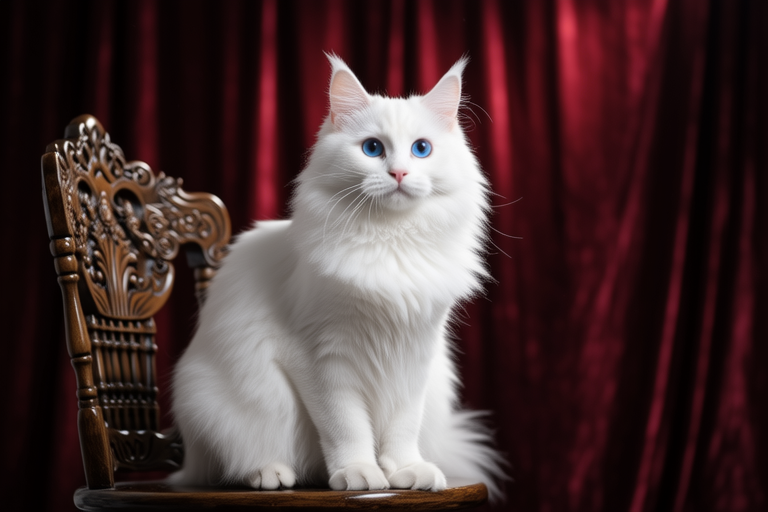
Turkish Angoras are known for their distinctive appearance, featuring a slender body, long legs, and a graceful, arched neck. Their heads are triangular, with large, pointed ears that enhance their alertness. Perhaps most striking are their almond-shaped eyes, which can come in various colors, including blue, green, gold, or heterochromia (two different colored eyes). The combination of these features gives the Turkish Angora a regal and almost ethereal look.
One of the defining traits of the Turkish Angora is its luxurious, silky coat. The fur is medium-length and fine, with a soft texture that feels almost like silk when touched. While most Turkish Angoras are white, there are also colored variants, including black, red, and tabby patterns. However, white is the most popular color, and it is associated with the breed’s royal lineage.
Temperament
Besides their stunning appearance, Turkish Angoras are renowned for their friendly and affectionate nature. They are highly social animals that enjoy interacting with humans and other pets. Their intelligence and curiosity make them playful companions, always ready to engage in games or explore new environments. Despite their independent streak, Turkish Angoras are loyal and devoted to their families, often forming strong bonds with specific individuals.
These cats are known for their vocal communication, often chirping or trilling to express their thoughts and feelings. They are also very adaptable, making them suitable for both indoor and outdoor living, although many modern owners prefer keeping them indoors for their safety.
Grooming Needs
Despite their luxurious coats, Turkish Angoras require minimal grooming compared to other long-haired breeds. Their naturally shiny fur sheds less frequently, reducing the need for extensive brushing. However, regular brushing once or twice a week is recommended to prevent matting and keep the coat healthy. Additionally, trimming their nails and cleaning their ears should be part of their routine care to maintain overall hygiene.
Bathing is generally unnecessary unless the cat gets particularly dirty or greasy. Instead, wiping them down with a damp cloth can help remove any dirt or debris. It’s important to note that while Turkish Angoras are low-maintenance, they still require attention to their grooming needs to ensure their well-being.
Health Considerations
Like all purebred cats, Turkish Angoras may be prone to certain genetic conditions. One of the most common issues is hypertrophic cardiomyopathy (HCM), a heart disease that can affect the breed. Regular veterinary check-ups and early detection are crucial in managing this condition. Another concern is patellar luxation, a joint disorder that can cause lameness or discomfort. Ensuring proper nutrition and exercise can help mitigate these risks.
Despite these potential health issues, Turkish Angoras are generally healthy cats with a lifespan of 12 to 15 years. Providing them with a balanced diet, regular exercise, and plenty of love and attention will contribute to their longevity and happiness.
Journey from Royal Pets to Rare Breeds
The journey of the Turkish Angora from royal pet to rare breed is a fascinating one. In the 16th century, Turkish Angoras were introduced to Europe via trade routes and diplomatic missions. They quickly gained popularity among European aristocracy, who were enchanted by their beauty and grace. By the late 19th century, the breed had established itself as a favorite among cat fanciers.
During World War I and II, the breed faced near extinction due to the destruction of breeding programs and the loss of many cats. However, dedicated breeders worked tirelessly to revive the Turkish Angora population. In the 1960s, the Ankara Zoo in Turkey began a breeding program to preserve the original white Turkish Angoras, ensuring the continuation of the breed’s unique characteristics.
Today, Turkish Angoras are recognized by major cat registries, including the Cat Fanciers’ Association (CFA) and The International Cat Association (TICA). Their rarity and exclusivity make them a prized possession for cat enthusiasts worldwide.
Tips for Potential Owners
If you’re considering adopting a Turkish Angora, there are several factors to keep in mind. First, these cats thrive in homes where they receive plenty of attention and stimulation. They are not suited for households where they would be left alone for extended periods. Providing toys, scratching posts, and interactive playtime will help keep them mentally and physically engaged.
Second, Turkish Angoras are highly adaptable, but they do best in indoor environments. Their sleek coats and agile bodies make them vulnerable to outdoor dangers such as cars, predators, and parasites. Creating a safe, stimulating indoor space will ensure their well-being.
Lastly, it’s essential to choose a reputable breeder who prioritizes the health and welfare of their cats. Asking questions about the breeder’s practices, visiting the breeding facility, and reviewing health records can help you find a healthy and well-adjusted Turkish Angora.
Interesting Facts About Turkish Angoras
Turkish Angoras have several unique traits that set them apart from other cat breeds. For instance, they are one of the few breeds that can have blue eyes and white fur, a combination that is rare in other cats. Additionally, their coats are semi-rex, meaning the guard hairs are shorter than the undercoat, giving them a softer, more velvety texture.
Another interesting fact is that Turkish Angoras are known for their exceptional jumping abilities. Their long legs and powerful muscles allow them to leap great distances, making them excellent climbers and acrobats. This trait, combined with their intelligence, makes them natural entertainers, often performing impressive feats for the amusement of their owners.
Finally, Turkish Angoras are highly trainable, responding well to positive reinforcement techniques. Teaching them simple commands or tricks can strengthen your bond and provide mental stimulation.
Conclusion
Turkish Angoras are truly remarkable cats, with a rich history and a timeless appeal. From their origins in ancient Turkey to their current status as a rare and beloved breed, these cats continue to captivate the hearts of many. Their unique physical characteristics, gentle temperament, and adaptability make them ideal companions for those seeking a special pet. Whether you’re a seasoned cat owner or considering adopting your first feline friend, a Turkish Angora could be the perfect addition to your family. With proper care and attention, these beautiful creatures will bring joy and companionship for years to come.
