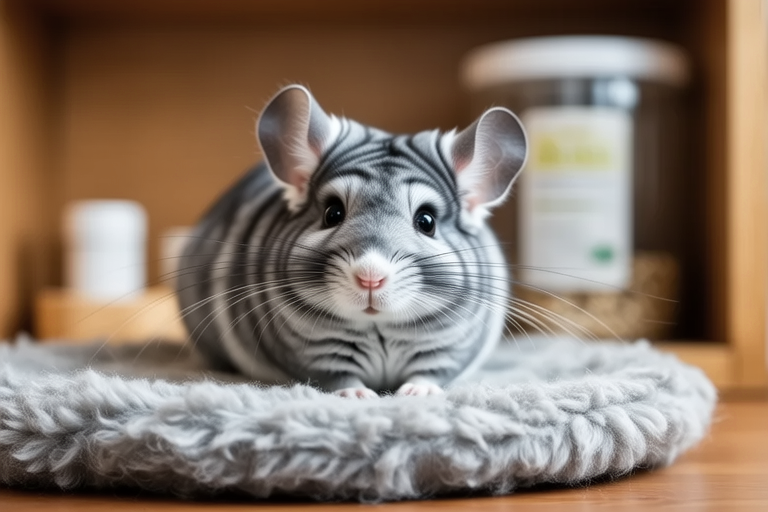
Adorable and Unique: How to Care for Your Chinchilla Like a Pro
Welcome to the wonderful world of chinchillas! These small, furry creatures are not only adorable but also unique among pets. With their soft, dense fur and large, expressive eyes, chinchillas have captured the hearts of many animal lovers. Native to the Andes Mountains in South America, they thrive in cold, dry climates, making them somewhat unusual as pets. Their unique physiology means that caring for a chinchilla requires specific attention to diet, housing, grooming, and health. This guide will walk you through everything you need to know to care for your chinchilla like a pro.
Diet Requirements
Chinchillas have very specific dietary needs. In the wild, they primarily eat grasses, herbs, and other plant matter. As pets, they require a balanced diet consisting mainly of high-quality commercial chinchilla pellets, supplemented with hay and fresh vegetables. Pellets should be chosen specifically for chinchillas, as they provide the necessary nutrients. Timothy hay is ideal for both bedding and feeding, helping to maintain dental health and providing essential fiber. Fresh vegetables such as carrots, bell peppers, and leafy greens can be offered in small quantities. It’s important to avoid feeding chinchillas sugary or starchy foods, as these can lead to digestive problems and obesity.
Housing Essentials
A proper environment is crucial for the well-being of your chinchilla. Housing should be spacious enough to allow movement and play, with dimensions of at least 3 feet by 2 feet by 2 feet recommended for a single chinchilla. The cage should be made of wire with a solid bottom to prevent injuries from sharp edges. Chinchillas are excellent climbers and jumpers, so multiple levels and platforms are beneficial. Bedding should be absorbent and dust-free; options include recycled paper products or aspen shavings. Avoid cedar and pine, which can be harmful due to aromatic oils. The cage should be placed in a cool area away from direct sunlight, drafts, and excessive noise.
Grooming Tips
One of the most distinctive features of chinchillas is their luxurious fur. Unlike many other animals, chinchillas do not bathe in water but instead take dust baths. A shallow container filled with special chinchilla dust should be provided daily for about 15 minutes. This helps remove oils and dirt from their fur, keeping it clean and healthy. Additionally, regular brushing with a soft-bristled brush can help distribute natural oils and prevent matting. Nails should be trimmed every few weeks to prevent overgrowth, which can cause discomfort or injury. Teeth should also be checked regularly, as chinchillas have continuously growing teeth that need to be kept short.
Common Health Issues
Like any pet, chinchillas can suffer from various health issues. Dental problems are common, often caused by improper diet or lack of appropriate chew toys. Signs include drooling, difficulty eating, or weight loss. Respiratory infections can occur if the cage is too damp or dirty, presenting symptoms such as sneezing, wheezing, or discharge from the nose or eyes. Gastrointestinal issues, such as bloat or diarrhea, can result from poor diet or stress. Regular veterinary check-ups are essential for early detection and treatment of these and other potential health concerns.
Handling and Socializing Your Chinchilla
Chinchillas are generally quiet and gentle pets, but they can be skittish around unfamiliar people or sudden movements. To handle your chinchilla, approach slowly and calmly, allowing them to become accustomed to your presence. Once comfortable, gently scoop them up, supporting their body with one hand under their chest and the other under their hindquarters. Frequent, gentle interactions can help build trust and reduce anxiety. Providing a variety of safe toys and activities can encourage socialization and mental stimulation. Rotate toys periodically to keep things interesting and promote exploration.
Benefits of Owning a Chinchilla
Owning a chinchilla can be a rewarding experience. Their unique appearance and behaviors make them fascinating companions. Chinchillas are relatively low-maintenance compared to some other pets, requiring minimal exercise outside of their cage. They are typically quiet, making them suitable for apartment living. However, it’s important to note that chinchillas are not for everyone. They require a commitment to providing the right diet, housing, and care. Potential owners should research thoroughly and consider factors such as time, space, and financial resources before bringing a chinchilla into their home.
Resources for Further Learning
If you’re interested in learning more about chinchillas, there are many resources available. Books, articles, and online forums dedicated to chinchilla care offer valuable insights and advice. Local pet stores may also host workshops or seminars. Joining a chinchilla-specific club or community can connect you with experienced owners who share their knowledge and experiences. Remember, the key to successful chinchilla ownership lies in continuous learning and adaptation based on your pet’s individual needs.
