Rajah Cichlid Care Made Easy: Expert Tips and Tricks
Introduction to Rajah Cichlids
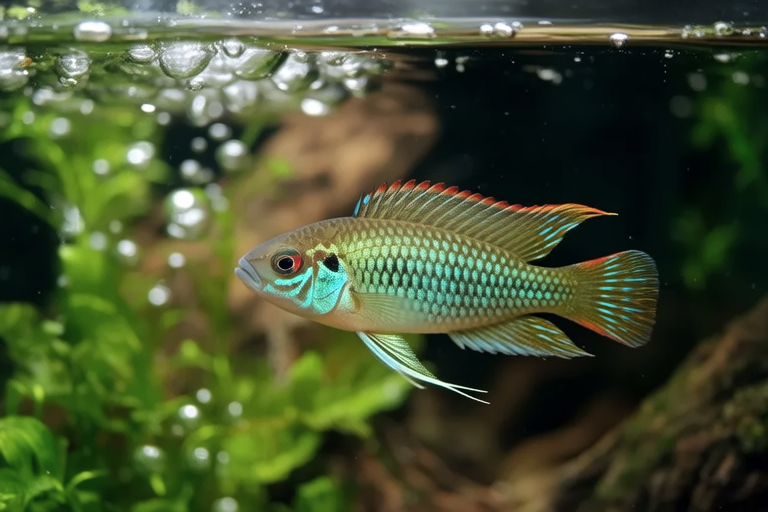
The Rajah cichlid (Apistogramma regani) is a fascinating and vibrant addition to any freshwater aquarium. Native to the Amazon River basin, these fish are known for their striking colors and complex social behaviors. Males often display iridescent blue hues with red fins, while females tend to be more subdued in coloration. Rajah cichlids are relatively small, typically reaching lengths of around 3 inches. Their unique appearance and active nature make them popular among aquarists.
These cichlids thrive in environments that mimic their natural habitat. They prefer soft, slightly acidic water with a temperature range of 78°F to 84°F. Providing ample hiding spots and open swimming areas ensures a balanced environment where they can explore and establish territories.
Setting Up the Perfect Aquarium Environment
Aquarium Size and Layout
Rajah cichlids require at least a 20-gallon tank to thrive comfortably. The tank should have plenty of caves, plants, and driftwood to provide hiding spots and spawning sites. Floating plants or other cover helps reduce stress and encourages natural behavior.
Substrate and Decorations
Use fine sand or smooth gravel as substrate to avoid damaging the delicate fins of the Rajah cichlids. Incorporate caves made from rocks or ceramic tubes for shelter and breeding purposes. Adding live plants like Java moss or Anubias can enhance the aesthetic appeal and provide additional hiding spots.
Water Parameters and Filtration Systems
Water Quality
Maintaining optimal water parameters is crucial for the health of Rajah cichlids. Aim for a pH level between 6.0 and 7.0, with hardness levels below 10 dGH. Regular testing with a reliable test kit will help monitor these levels.
Filtration
A high-quality filter capable of handling at least four times the volume of the tank per hour is recommended. This ensures adequate oxygenation and removal of waste products. Consider using sponge filters for biological filtration, which are gentle on the fish.
Feeding Guidelines
Diet and Feeding Frequency
Rajah cichlids are omnivorous and should be fed a varied diet consisting of high-quality flake foods, pellets, frozen or live brine shrimp, and bloodworms. Feed them twice daily, offering only what they can consume within a few minutes to prevent overfeeding.
Maintaining Water Quality
Regular water changes are vital for keeping the tank clean and healthy. Change approximately 20% of the water weekly, ensuring the replacement water matches the tank’s current parameters in terms of temperature, pH, and hardness. Employing a protein skimmer or adding beneficial bacteria supplements can further aid in maintaining water quality.
Managing Common Health Issues
Like all aquatic life, Rajah cichlids are susceptible to various health issues. Keep a close eye on your fish for signs of illness such as lethargy, loss of appetite, or unusual spots. Early detection and prompt treatment with appropriate medications can save lives. Quarantine new additions before introducing them to the main tank to prevent disease spread.
Tank Mates Compatibility
Choosing compatible tank mates is key to ensuring a harmonious community. Rajah cichlids are generally peaceful but can become territorial during breeding periods. Opt for similarly sized, non-aggressive species like Corydoras catfish or peaceful tetras. Avoid overly aggressive or large fish that might outcompete or harm the Rajah cichlids.
Breeding Habits
Under proper conditions, Rajah cichlids can breed readily. A well-established pair will select a cave or secluded area to spawn. The female lays eggs on a flat surface inside the chosen site, and both parents guard the eggs and fry. Providing a suitable breeding environment with ample hiding spots increases the chances of successful reproduction.
Troubleshooting Common Challenges
Despite best efforts, challenges may arise. For instance, if your fish appear stressed, consider reviewing the tank’s setup for potential improvements. If there are issues with aggression, ensure sufficient space and hiding spots. Always consult with experts or forums for specific advice tailored to your situation.
Maintaining Long-Term Health
To maintain the long-term health of your Rajah cichlids, adhere to consistent maintenance routines. Regular monitoring of water parameters, periodic water changes, and careful observation of fish behavior are fundamental. By creating a stable and enriching environment, you can enjoy the beauty and activity of these captivating fish for years to come.
