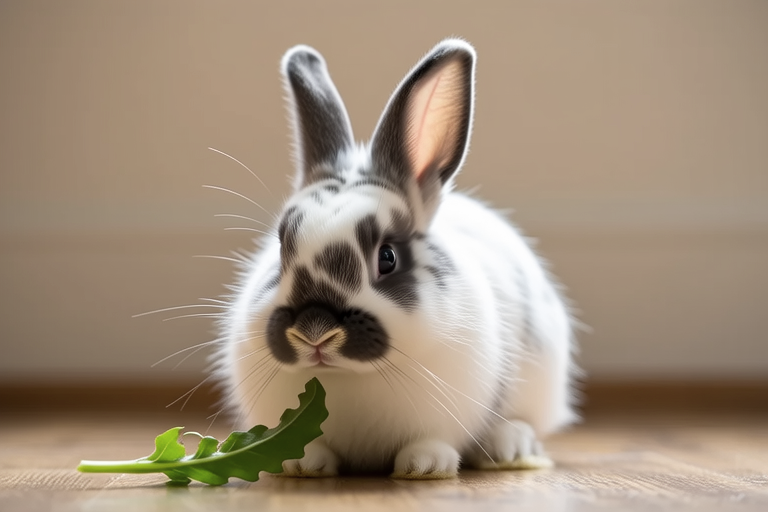
Beyond Cuteness: Care Tips for Dutch Dwarf Rabbit Owners
Welcome to the wonderful world of Dutch Dwarf Rabbits! These charming, compact creatures have captured the hearts of many pet lovers with their playful personalities and adorable appearances. However, owning a Dutch Dwarf Rabbit comes with significant responsibilities that extend far beyond their irresistible cuteness. This comprehensive guide will provide you with essential care tips to ensure your furry friend lives a long, healthy, and happy life.
Diet: Fueling Your Rabbit’s Energy
Feeding your Dutch Dwarf Rabbit the right diet is crucial for maintaining its health and energy levels. A balanced diet should consist of hay, fresh vegetables, and a limited amount of pellets.
- Hay: Timothy hay is ideal for dental health and digestion. It should be freely available to your rabbit at all times.
- Fresh Vegetables: Offer a variety of leafy greens such as romaine lettuce, spinach, and parsley. Introduce new vegetables gradually to avoid digestive upset.
- Pellets: Provide a high-quality rabbit pellet mix, but limit it to about 1/4 cup per day for adult rabbits.
Avoid feeding your rabbit sugary treats like fruits or processed human foods, as these can lead to obesity and other health issues. Always provide clean, fresh water in a spill-proof bowl or bottle.
Housing: Creating a Safe and Comfortable Home
Your Dutch Dwarf Rabbit requires a spacious, safe, and comfortable living environment. A cage should be large enough for the rabbit to stretch out fully, stand up on its hind legs, and move around comfortably. A minimum size of 36 inches by 24 inches is recommended.
The bedding material should be absorbent and non-toxic. Aspen shavings, paper-based products, or recycled paper litter are good choices. Avoid pine or cedar shavings, as they can irritate your rabbit’s respiratory system.
Ensure the cage has adequate ventilation and is placed away from drafts, direct sunlight, and extreme temperatures. Provide hiding spots, tunnels, and toys to stimulate mental and physical activity. Regular cleaning of the cage is necessary to prevent the buildup of ammonia from urine, which can cause respiratory problems.
Exercise: Keeping Your Rabbit Fit and Happy
Dutch Dwarf Rabbits need plenty of exercise to maintain their health and well-being. Daily playtime outside the cage is essential for muscle development and mental stimulation. A secure, rabbit-proofed area in your home or a spacious outdoor enclosure is ideal for supervised exercise.
Rabbits love to explore and dig, so provide tunnels, cardboard boxes, and chew toys. Exercise also helps prevent behavioral issues such as chewing on furniture or becoming overweight. Ensure the exercise area is free of toxic plants and potential hazards.
Grooming: Maintaining Your Rabbit’s Appearance and Health
Grooming your Dutch Dwarf Rabbit regularly is important for both its appearance and health. Brush your rabbit’s fur at least once a week to remove loose hair and prevent hairballs. During shedding seasons, daily brushing may be necessary.
Bathe your rabbit only when absolutely necessary, as frequent bathing can strip natural oils from its skin. Instead, spot-clean areas that need attention. Trim your rabbit’s nails every few weeks to prevent overgrowth and discomfort. Consult a veterinarian if you’re unsure how to safely trim them.
Check your rabbit’s ears regularly for signs of infection or mites. Clean them gently with a damp cloth if needed. Brush your rabbit’s teeth occasionally to remove plaque and prevent dental disease.
Health Concerns: Watching Out for Common Issues
Regular veterinary check-ups are vital for early detection and treatment of health issues. Common problems include dental disease, gastrointestinal stasis, and respiratory infections.
- Dental Disease: Overgrown teeth can cause pain and difficulty eating. Provide plenty of hay and chew toys to help wear down teeth naturally.
- Gastrointestinal Stasis: A condition where food moves too slowly through the digestive tract, leading to bloating and discomfort. Ensure your rabbit eats a fiber-rich diet and has regular access to exercise.
- Respiratory Infections: Can be caused by poor air quality, stress, or overcrowding. Maintain proper ventilation and hygiene in the rabbit’s living space.
Watch for signs of illness, such as lethargy, loss of appetite, runny nose, or changes in behavior. Early intervention can often prevent more serious health complications.
Social Needs: Meeting Your Rabbit’s Emotional Requirements
Dutch Dwarf Rabbits are social animals that thrive on interaction with their owners. Spend time each day playing, grooming, and bonding with your rabbit. Positive reinforcement training can strengthen your bond and teach your rabbit simple commands.
If you have the space and resources, consider adopting a compatible companion for your rabbit. Two rabbits can keep each other entertained and provide companionship. Ensure they are properly introduced and monitored to prevent fighting.
Provide opportunities for mental stimulation through puzzle feeders, tunnels, and toys. Rotate toys periodically to keep your rabbit engaged and interested.
Conclusion: Embracing the Responsibilities of Ownership
Owning a Dutch Dwarf Rabbit is a rewarding experience filled with joy and companionship. By understanding and addressing their dietary, housing, exercise, grooming, health, and social needs, you can provide your rabbit with a fulfilling life. Remember, the responsibility of caring for a pet goes beyond their cute appearance and requires dedication, patience, and love. With proper care, your Dutch Dwarf Rabbit will bring years of happiness to your home.
