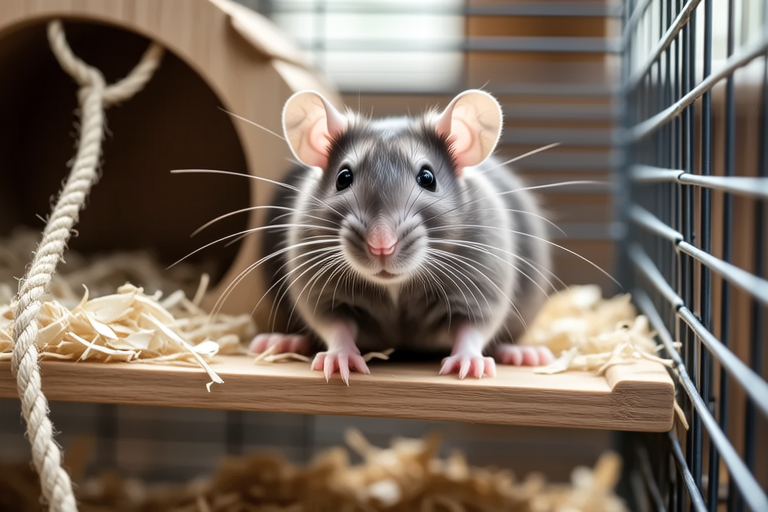
The Ultimate Guide: How to Set Up the Perfect Habitat for Your Fancy Rat
Fancy rats, also known as domesticated rats, are intelligent, social, and playful creatures that make wonderful pets. Providing them with a comfortable and stimulating environment is crucial for their physical and mental well-being. This guide will walk you through setting up the perfect habitat for your fancy rat, covering everything from cage selection to safety precautions.
Selecting the Right Cage Size and Type
Choosing the right cage is one of the most important decisions you’ll make when preparing your rat’s home. Rats are active animals that need ample space to move around, play, and explore. A minimum cage size of 36 inches long by 18 inches wide by 18 inches high is recommended for a single rat, but larger is always better, especially if you plan to house multiple rats together.
Wire cages are popular choices due to their ventilation and ease of cleaning. However, ensure the wire spacing does not allow your rat to squeeze through or get paws caught. Glass aquariums can be used but require proper ventilation, which can be achieved by adding a mesh top or drilling holes. Avoid plastic cages as they can easily be chewed through.
Essential Bedding Materials
The right bedding is essential for keeping your rat’s living area clean and comfortable. Shredded paper, recycled paper products, and high-quality wood shavings (such as aspen) are excellent choices. Avoid cedar and pine shavings, as they contain oils that can irritate your rat’s respiratory system. Provide at least two inches of bedding to allow for digging and burrowing.
Bedding should be spot-cleaned daily and completely changed weekly to maintain hygiene and prevent odors. When changing bedding, gently remove your rat from the cage and place them in a safe, enclosed area.
Appropriate Toys and Accessories
Rats are curious and enjoy exploring their surroundings. Providing a variety of toys and accessories can help stimulate their minds and keep them entertained. Some great options include:
- Tunnels and tubes: These provide opportunities for your rat to hide and explore.
- Exercise wheels: A solid-surfaced wheel is ideal for preventing injuries.
- Chew toys: Safe wooden or cardboard items help wear down their teeth and prevent overgrowth.
- Hammocks and platforms: These add height variation and encourage climbing.
Rotate toys periodically to prevent boredom and keep things interesting for your rats.
Dietary Needs
A balanced diet is vital for your rat’s health. The foundation of their diet should be a high-quality commercial rat food, which provides necessary nutrients. Supplement this with fresh fruits, vegetables, and grains. Rotate different foods to encourage variety and prevent picky eating habits. Always provide fresh water in a sipper bottle or water bowl.
Limit treats like nuts and seeds, as these are high in fat and can lead to obesity. Avoid feeding dairy, chocolate, caffeine, and sugary foods, as they can be harmful to rats.
Environmental Enrichment
Providing mental stimulation is just as important as physical exercise. Here are some ways to enrich your rat’s environment:
- Hide and seek games: Hide treats or toys for your rat to find.
- Interactive play: Spend time handling and playing with your rat outside the cage.
- Social interaction: If housing multiple rats, ensure they have enough space and toys to interact positively.
- Training: Teach simple tricks using positive reinforcement techniques.
Environmental enrichment helps prevent boredom and promotes healthy behavior.
Maintaining Hygiene
Keeping your rat’s habitat clean is essential for their health. Regular cleaning routines include:
- Spot-cleaning: Remove soiled bedding and waste daily.
- Deep cleaning: Completely change bedding and wash all accessories weekly.
- Disinfecting: Use a pet-safe disinfectant to clean the cage and its components.
Always rinse thoroughly after disinfecting and dry the cage before returning your rat inside.
Temperature Control
Rats thrive in temperatures between 64°F and 79°F (18°C to 26°C). Avoid placing their cage near drafts, direct sunlight, or heating/cooling vents. If necessary, use a small, safe heater or cooling pad to maintain an optimal temperature range.
Safety Precautions
Ensure your rat’s habitat is free from hazards. Check for sharp edges, gaps in the cage, and loose parts that could harm your pet. Keep electrical cords out of reach and secure any dangling wires. Never leave your rat unsupervised with other pets, and always supervise interactions with children.
Tips for Ensuring Physical and Mental Well-being
To ensure your rat remains healthy and happy, follow these additional tips:
- Regular veterinary check-ups: Schedule routine visits with a veterinarian who specializes in exotic pets.
- Grooming: Brush your rat’s coat regularly to prevent matting and skin issues.
- Handling: Handle your rat frequently to build trust and reduce stress.
- Exercise: Allow your rat supervised time outside the cage each day for exercise and exploration.
By following these guidelines, you’ll create a nurturing and enriching environment for your fancy rat, promoting both their physical and mental well-being.
