Bengal Cats: The Ultimate Guide for New Owners
Introduction to Bengal Cats and Their Origins
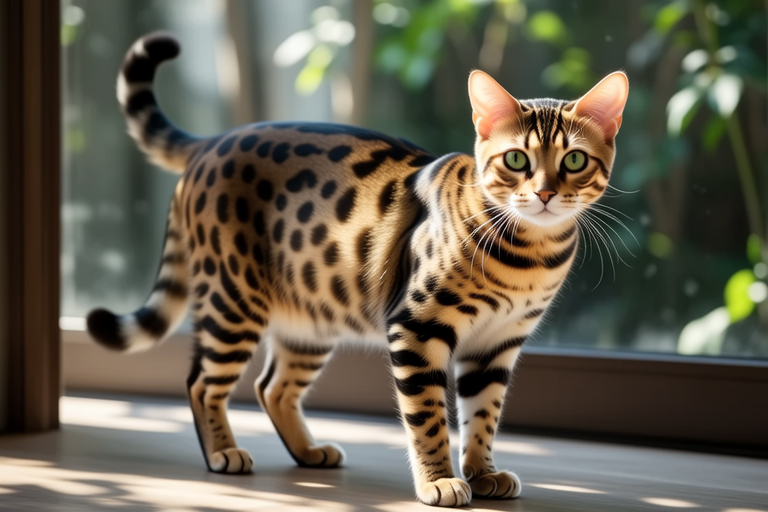
The Bengal cat is a hybrid breed of domestic cat developed from crosses between domestic cats and Asian leopard cats. This unique breed was first introduced in the 1960s by Jean Mill, who aimed to create a domestic cat with the striking coat patterns of wild felines. These cats have become increasingly popular due to their distinct appearance and friendly nature.
Physical Characteristics and Grooming Needs
Bengal cats are known for their sleek, muscular bodies and short, dense coats that come in various colors and patterns. They typically weigh between 7 to 15 pounds, with males generally being larger than females. Their coat can be spotted or marbled, resembling the fur of their wild ancestors. Grooming these cats is relatively easy; they are self-groomers but still require occasional brushing to remove loose hair and distribute natural oils throughout their coat.
Personality Traits and Typical Behaviors
Bengals are highly intelligent and curious animals, often displaying playful and energetic behavior. They enjoy interactive play and may engage in activities such as chasing toys or playing fetch. These cats are also known for their vocalizations, which range from chirps to full-blown meows. Bengals tend to form strong bonds with their owners, making them affectionate companions. However, they can be somewhat independent at times, so it’s important to provide them with plenty of stimulation and attention.
Dietary Requirements and Feeding Tips
Like all cats, Bengals require a balanced diet rich in protein and essential nutrients. High-quality commercial cat food formulated for their specific life stage (kitten, adult, senior) is usually sufficient. It’s crucial to avoid overfeeding, as obesity can lead to health issues. Fresh water should always be available. Consult your veterinarian regarding dietary supplements if necessary.
Exercise and Playtime Recommendations
Bengals are active and athletic, requiring regular exercise to maintain their physical and mental well-being. Interactive toys like laser pointers, feather wands, and puzzle feeders can help stimulate their minds while providing entertainment. Climbing structures, scratching posts, and window perches also encourage physical activity. Regular play sessions will strengthen the bond between you and your Bengal.
Health Concerns and Preventative Care
While generally healthy, Bengals are prone to certain genetic conditions such as Hypertrophic Cardiomyopathy (HCM), Progressive Retinal Atrophy (PRA), and Patellar Luxation. Regular veterinary check-ups, vaccinations, and dental care are vital for maintaining good health. Early detection of potential problems through routine screenings can significantly improve outcomes.
Training and Socialization Techniques
Early socialization is key to ensuring your Bengal becomes a well-adjusted member of your household. Expose them to different environments, people, and other pets during kittenhood. Positive reinforcement training methods, including treats and praise, work best for teaching desired behaviors. Bengals respond well to clicker training, which helps build confidence and trust.
Tips for Acclimating a Bengal Cat to a New Home
Introducing a new Bengal to your home requires patience and understanding. Create a safe space equipped with essentials like food, water, litter box, and comfortable bedding. Gradually introduce them to other areas of the house, allowing them time to explore at their own pace. Maintain a consistent routine to reduce stress and anxiety.
Common Myths About Bengal Cats Debunked
- Myth: All Bengal cats act wild. Reality: While they inherit some traits from their wild ancestors, most Bengals adapt well to domestic life when properly socialized.
- Myth: Bengal cats don’t get along with other pets. Reality: With proper introduction and supervision, Bengals can coexist peacefully with dogs, birds, and other cats.
- Myth: Bengal cats are too expensive to maintain. Reality: While initial costs might be higher due to breed-specific considerations, overall maintenance expenses are comparable to those of other breeds.
Resources for Further Learning About Bengal Cat Ownership
To deepen your knowledge about Bengal cats, consider joining online forums, attending local cat shows, or consulting books authored by experienced breeders and veterinarians. Local animal shelters and rescue organizations often host educational events where you can learn more about caring for these magnificent creatures.
