Top 10 Fascinating Facts About the Enigmatic Chilean Rose Tarantula
The Chilean rose tarantula (Grammostola rosea) is one of the most popular tarantulas among pet enthusiasts. Its striking appearance, combined with its relatively docile nature, makes it a favorite for those who want to experience the thrill of owning an exotic pet without the risks associated with more aggressive species. Let’s delve into ten fascinating facts that will deepen your appreciation for this remarkable arachnid.
1. Distinctive Appearance
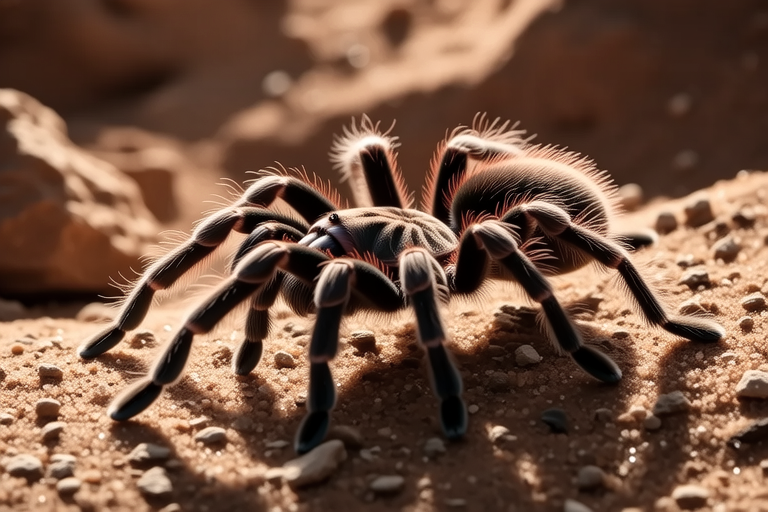
The Chilean rose tarantula is easily recognizable by its pinkish-brown to reddish-brown coloration, which gives it its name. This coloring helps it blend seamlessly into the rocky desert landscapes of its native habitat. Unlike many other tarantulas, its legs have no noticeable stripes, making it stand out even more. With an average leg span of around 4 to 6 inches, these spiders can appear quite large, though they are not particularly heavy, weighing only about 30 grams on average. Their size alone can be intimidating, but their gentle demeanor makes them a joy to observe.
Perhaps the most captivating feature of the Chilean rose tarantula is its iridescent blue hairs, known as urticating hairs. These hairs are used defensively when the spider feels threatened. They can be brushed off onto potential predators, causing irritation and discomfort. This defense mechanism is both effective and fascinating to watch in action, adding another layer of intrigue to this already mesmerizing creature.
2. Habitat and Distribution
Native to the deserts of Chile, Argentina, and Bolivia, the Chilean rose tarantula thrives in arid environments characterized by sparse vegetation and rocky outcrops. It prefers burrowing in sandy soil or under rocks, creating a cozy retreat from harsh weather conditions and potential predators. Interestingly, despite being well-adapted to desert life, these tarantulas can also survive in a wide range of temperatures, from 75 to 85 degrees Fahrenheit, making them versatile pets for owners in various climates.
What truly sets the Chilean rose tarantula apart is its adaptability. Not only does it endure extreme temperatures, but it also has the remarkable ability to go for long periods without food. In the wild, it might not eat for several months during the colder seasons, relying on stored fat reserves to survive. This resilience is a testament to its evolutionary success, ensuring that it can thrive even in the harshest conditions. Now, let’s explore how this tarantula behaves in its natural environment.
3. Behavior and Diet
In its natural habitat, the Chilean rose tarantula is primarily nocturnal, emerging at night to hunt small insects like crickets, moths, and beetles. It uses its powerful fangs to inject venom into its prey, immobilizing it before consuming it. Despite its fearsome reputation, the venom of the Chilean rose tarantula is relatively mild, posing little threat to humans unless provoked. This docility, combined with its manageable size, makes it an ideal candidate for those interested in keeping a pet tarantula.
One of the most intriguing aspects of the Chilean rose tarantula’s behavior is its method of catching prey. It relies heavily on vibrations to detect movement, using its sensitive hairs to sense the slightest disturbance in the air. Once a potential meal is detected, the tarantula pounces with surprising agility. This hunting technique is both efficient and fascinating to witness, showcasing the spider’s keen senses and adaptability in the wild. Transitioning now to another crucial aspect of its life cycle, let’s discuss the reproductive habits of the Chilean rose tarantula.
4. Reproduction and Lifespan
The Chilean rose tarantula reaches sexual maturity between three to five years of age. Males typically live shorter lives than females, with an average lifespan of four to six years, while females can live up to 20 years or more. During mating season, males perform elaborate courtship dances to attract females. If successful, the female will lay anywhere from 50 to 1,000 eggs, depending on her size and health. The eggs are then guarded closely by the mother until they hatch after approximately two months.
This extended lifespan is a significant factor in the popularity of the Chilean rose tarantula as a pet. Owners can enjoy the company of their pet for many years, observing its growth and development over time. The longevity of these creatures adds a unique dimension to the pet ownership experience, allowing for deep bonds to form between human and arachnid. As we move forward, let’s examine the unique defense mechanisms employed by the Chilean rose tarantula.
5. Defensive Mechanisms
When threatened, the Chilean rose tarantula employs several defensive strategies. Besides the aforementioned urticating hairs, it may also play dead or attempt to flee. In captivity, these behaviors can be observed when the tarantula is handled too roughly or exposed to sudden movements. One of the most fascinating aspects of its defense is its ability to shed its skin, a process known as molting. This not only helps it grow but also allows it to regenerate damaged limbs.
Molting is a critical part of the Chilean rose tarantula’s lifecycle, and it provides insight into the spider’s resilience and adaptability. During this process, the tarantula remains vulnerable, making it essential for owners to provide a suitable environment. Understanding and respecting this natural phenomenon is key to maintaining the health and happiness of these remarkable creatures. As we continue our exploration, let’s uncover the unique care requirements of the Chilean rose tarantula.
6. Care Requirements
Caring for a Chilean rose tarantula involves providing a secure enclosure with appropriate substrate, such as coconut fiber or bark, to allow for burrowing. The enclosure should be kept at a temperature of 75 to 85 degrees Fahrenheit and a humidity level of 50 to 70 percent. A shallow water dish should be provided, but care must be taken to ensure it does not overflow and flood the enclosure.
Feeding a Chilean rose tarantula is straightforward, with crickets being the most common choice. However, it’s important to vary the diet occasionally with other insects to ensure a balanced intake of nutrients. Regular handling can help acclimate the tarantula to human interaction, but it should always be done gently and with respect for the animal’s space. By meeting these care requirements, owners can provide a comfortable and stimulating environment for their pet tarantula, enhancing both the spider’s quality of life and the owner’s enjoyment.
Understanding the specific needs of the Chilean rose tarantula is crucial for responsible pet ownership. Proper care not only ensures the health and longevity of the spider but also fosters a rewarding relationship between the pet and its keeper. Now, let’s shift our focus to the conservation status of this fascinating creature.
7. Conservation Status
Fortunately, the Chilean rose tarantula is not currently listed as endangered, thanks in part to its wide distribution and adaptability. However, habitat destruction and over-collection for the pet trade pose ongoing threats. Efforts are underway to monitor populations and promote sustainable practices among breeders and collectors. By supporting ethical breeding programs and purchasing from reputable sources, enthusiasts can contribute to the preservation of this species.
The conservation efforts surrounding the Chilean rose tarantula highlight the importance of responsible pet ownership. By choosing captive-bred specimens and participating in conservation initiatives, pet owners can help protect this species and its ecosystem. Moving forward, let’s explore the cultural significance of the Chilean rose tarantula in its native regions.
8. Cultural Significance
In South America, the Chilean rose tarantula holds a special place in local folklore and culture. It is often viewed with a mix of fear and reverence, symbolizing strength and resilience. Indigenous communities have traditionally used parts of the tarantula for medicinal purposes, believing in its healing properties. These beliefs reflect the deep connection between humans and nature, emphasizing the importance of respecting and protecting all forms of life.
The cultural significance of the Chilean rose tarantula underscores the broader ecological context in which these animals exist. By appreciating their role in local traditions and ecosystems, we gain a deeper understanding of the interconnectedness of all living beings. As we conclude our journey through the world of the Chilean rose tarantula, let’s reflect on the impact of this species on the pet trade.
9. Impact on the Pet Trade
The Chilean rose tarantula’s popularity as a pet has had both positive and negative impacts. On one hand, it has introduced many people to the wonders of arachnids and fostered a greater appreciation for these creatures. On the other hand, the demand for wild-caught specimens has led to concerns about over-collection and habitat disruption. Responsible breeding practices and education about proper care are essential to mitigate these issues and ensure the continued availability of this fascinating pet.
The pet trade’s influence on the Chilean rose tarantula serves as a reminder of the delicate balance between human interests and environmental conservation. By advocating for sustainable practices and promoting awareness, we can help preserve this species for future generations to admire and appreciate. As we draw to a close, let’s consider the future of the Chilean rose tarantula in the face of changing environments.
10. Future Prospects
As climate change continues to affect habitats worldwide, the future prospects for the Chilean rose tarantula remain uncertain. Increased efforts are needed to study and protect these creatures, ensuring their survival in the face of environmental challenges. By supporting research initiatives and conservation projects, individuals can contribute to the ongoing efforts to safeguard this remarkable species.
The future of the Chilean rose tarantula is intertwined with the fate of its ecosystem, highlighting the need for global cooperation in addressing environmental issues. Through education, advocacy, and responsible stewardship, we can work together to secure a bright future for this enigmatic creature and all its fellow inhabitants of the natural world.
