Silk and Fangs: Fascinating Facts About Tarantulas That Will Amaze You
Tarantulas are among the most fascinating creatures on Earth. These large, hairy spiders have captivated human imagination for centuries, often misunderstood and sometimes feared. This article delves into the intriguing world of tarantulas, exploring their physical characteristics, behaviors, habitats, and ecological roles. We’ll also debunk some common myths surrounding these remarkable arachnids.
Physical Characteristics
Tarantulas belong to the family Theraphosidae, comprising over 900 species worldwide. They are known for their impressive size, with leg spans ranging from 2.5 inches to over 10 inches. Their bodies can be as heavy as a hummingbird. Despite their intimidating appearance, tarantulas are generally harmless to humans, with venom that is only mildly toxic to people.
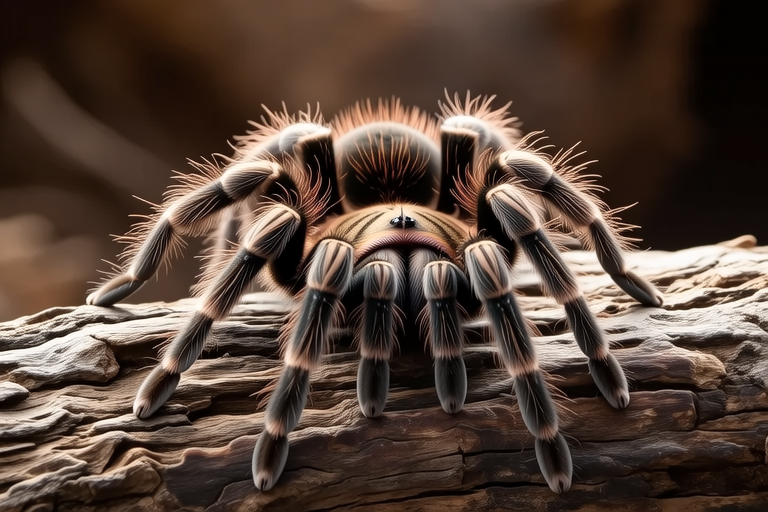
One of the most striking features of tarantulas is their dense, velvety fur. This coat serves multiple purposes, including camouflage, temperature regulation, and protection against predators. Some species even possess urticating hairs, which they can flick off their abdomen when threatened. These tiny barbed hairs cause irritation and discomfort to potential attackers, making them highly effective defense mechanisms.
Habitats and Distribution
Tarantulas are found in diverse habitats across the globe, from deserts to rainforests. The majority of species inhabit tropical regions, particularly in Central and South America, but they are also present in Africa, Asia, and parts of North America. Each species has adapted to its specific environment, with some living in burrows while others are arboreal, spending their lives in trees.
In the wild, tarantulas play crucial roles within their ecosystems. As predators, they help control populations of insects and other small animals. Their burrowing habits also contribute to soil aeration, benefiting plant growth and overall ecosystem health. Moreover, tarantulas serve as prey for various predators, including birds, mammals, and other larger arthropods.
Diet and Hunting Techniques
Tarantulas are opportunistic hunters, feeding primarily on insects, small vertebrates, and other arthropods. While they lack the ability to spin webs for catching prey like many spiders, they employ other hunting techniques. Many tarantulas ambush their victims by hiding in burrows or under rocks, waiting for unsuspecting prey to wander close enough. Others actively hunt, stalking their targets before delivering a swift, paralyzing bite.
Once they’ve secured their meal, tarantulas inject digestive enzymes into the prey’s body, breaking down tissues into a liquid form that can be sucked up through their mouthparts. This process allows them to consume even tough-skinned insects and small rodents. Despite their fearsome reputation, tarantulas rarely pose a threat to humans; their venom is usually too weak to cause serious harm.
Defensive Mechanisms
When faced with danger, tarantulas rely on several defensive strategies. In addition to the previously mentioned urticating hairs, many species can also produce loud hissing sounds by rubbing specialized bristles together. This noise serves as both a warning signal and a distraction, allowing the spider to escape unnoticed.
Another surprising tactic involves playing dead. If cornered or severely provoked, some tarantulas will lie motionless on their backs, feigning death until the perceived threat has passed. This behavior helps them avoid further confrontation and increases their chances of survival.
Mating and Reproduction
The mating process of tarantulas is both delicate and dangerous. Male tarantulas must approach females cautiously, as they risk being mistaken for prey and attacked. To initiate courtship, males produce vibrations through drumming their abdomens against surfaces or releasing pheromones. If successful, the male transfers sperm to the female via specialized appendages called pedipalps.
Females typically lay between 50 and 1,000 eggs, depending on the species. These eggs are encased in a silken sac, which she guards vigilantly until hatching. Baby tarantulas, known as spiderlings, emerge after approximately one month and disperse shortly thereafter. Unlike adults, young tarantulas molt frequently, shedding their exoskeletons as they grow.
Lifespan and Growth
Tarantulas have relatively long lifespans compared to other spiders, with some species living up to 30 years. Their growth rate varies based on factors such as species, climate, and availability of food. Young tarantulas experience rapid development during their first few years but then slow down significantly as they reach adulthood.
Throughout their lives, tarantulas undergo molting, a process where they shed their old exoskeleton to make room for new tissue growth. Molting occurs more frequently in younger spiders but becomes less frequent with age. During this vulnerable period, tarantulas remain inactive, focusing solely on regenerating lost limbs or repairing damaged body parts.
Myths vs Reality
Despite their fearsome appearance, tarantulas are generally harmless to humans. One common myth suggests that tarantulas can deliver fatal bites, but this is largely unfounded. While their venom can cause localized pain and swelling, it poses little risk to healthy adults. Another misconception revolves around the idea that all tarantulas spin webs. However, only certain species produce silk, primarily for lining burrows or creating egg sacs.
Contrary to popular belief, tarantulas do not chase after humans. Instead, they prefer to avoid encounters whenever possible. When threatened, they may rear up on their hind legs or release urticating hairs as defensive measures. Understanding these facts helps dispel unwarranted fears and promotes appreciation for these fascinating creatures.
Conservation Status
Many tarantula species face threats due to habitat destruction, pollution, and illegal collection for the pet trade. Conservation efforts focus on protecting natural habitats and raising awareness about the importance of preserving biodiversity. By supporting sustainable practices and educating others about these incredible animals, we can ensure future generations continue to marvel at the wonders of tarantulas.
Conclusion
Tarantulas are truly remarkable creatures with unique adaptations and behaviors that make them stand out in the animal kingdom. From their impressive size and vibrant colors to their sophisticated hunting techniques and defensive mechanisms, there is much to admire about these misunderstood arachnids. By learning more about tarantulas and appreciating their role in ecosystems, we can foster greater respect for these fascinating creatures and work towards their conservation.
