How to Safely Keep and Care for Your Own Heterometrus Spinifer Scorpion Pet
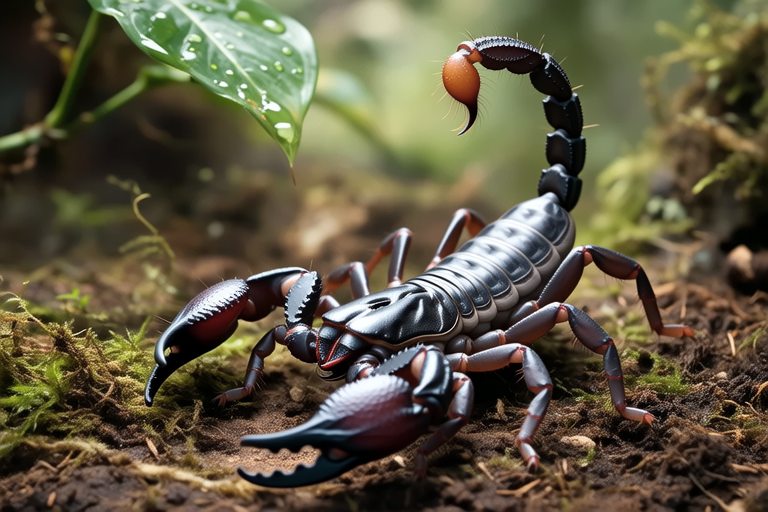
The Heterometrus spinifer, commonly known as the Indian forest scorpion or Asian forest scorpion, is a popular choice among exotic pet enthusiasts due to its relatively docile nature and impressive size. However, before you embark on this unique pet-keeping journey, it’s crucial to understand the specific care requirements and safety measures necessary for both your scorpion and yourself. This comprehensive guide will cover habitat setup, temperature and humidity control, feeding habits, handling precautions, health monitoring, and legal considerations.
Habitat Setup
Creating a suitable habitat for your Heterometrus spinifer is paramount. These scorpions require a secure enclosure that mimics their natural environment, ensuring they have ample space to move around freely. A glass aquarium with a tightly fitting lid is ideal; the enclosure should be at least 10 gallons for a single adult scorpion. For multiple scorpions, increase the size accordingly.
Substrate is another critical aspect of the habitat. A layer of coconut fiber, bark chips, or sphagnum moss, approximately 3-4 inches deep, provides a natural surface for burrowing and climbing. Ensure the substrate is free from pesticides and chemicals harmful to your scorpion.
Incorporate hiding spots within the enclosure. Half logs, cork bark, and clay pots offer excellent hiding places, which help reduce stress and encourage natural behaviors. Additionally, include a water dish large enough for your scorpion to soak in but shallow enough to prevent drowning.
Temperature and Humidity Requirements
Maintaining the right temperature and humidity levels is vital for the well-being of your Heterometrus spinifer. The ideal temperature range is between 80°F and 90°F (27°C to 32°C). Use a reliable thermostat-controlled heat mat or ceramic heat emitter placed under one side of the enclosure to achieve this. This creates a thermal gradient, allowing your scorpion to regulate its body temperature by moving between warmer and cooler areas.
Humidity levels should be kept between 60% and 80%. Achieve this by misting the enclosure daily and ensuring proper ventilation. Overly dry conditions can lead to dehydration, while excessively humid environments may foster mold growth, both detrimental to your scorpion’s health.
Feeding Habits
Heterometrus spinifer are carnivorous and require a varied diet consisting of live insects. Crickets, mealworms, super worms, and dubia roaches are common choices. Feed your scorpion every 1-2 weeks, depending on its age and size. Younger scorpions may need more frequent feedings, while adults can go longer between meals.
It’s important to gut-load feeder insects with nutritious food before offering them to your scorpion. Gut-loading involves feeding the insects a high-quality diet rich in vitamins and minerals. Additionally, dust the feeder insects with a calcium supplement to ensure your scorpion receives adequate nutrition.
Handling Precautions
While Heterometrus spinifer are generally docile, they possess venomous stingers capable of causing pain and allergic reactions in humans. Handling should be minimized to reduce stress on the scorpion and minimize the risk of injury.
When handling is necessary, always wear thick gloves and use tongs or forceps to gently move your scorpion. Never grab or squeeze the scorpion; instead, allow it to walk onto your gloved hand. If you must pick up your scorpion, support its entire body, especially the tail, to avoid stressing the animal.
Health Monitoring
Closely observe your scorpion for any signs of illness or distress. Common issues include lethargy, refusal to eat, weight loss, and changes in behavior. Regularly check for mites or other parasites, which can infest the enclosure and harm your scorpion.
To maintain good health, provide clean water and regularly clean the enclosure. Remove uneaten prey and waste promptly to prevent contamination. Perform a thorough cleaning of the enclosure every few months, replacing all substrate and disinfecting surfaces with a reptile-safe cleaner.
Legal Considerations
Before acquiring a Heterometrus spinifer, research local laws and regulations regarding exotic pets. Some regions prohibit or heavily restrict the ownership of certain species. Ensure you comply with all legal requirements, including obtaining any necessary permits or licenses.
Consider the ethical implications of keeping exotic pets. Responsible pet ownership includes providing a stimulating and enriching environment that meets the physical and psychological needs of your scorpion. Be prepared for the long-term commitment involved in caring for these animals, which can live up to 10 years in captivity.
Conclusion
Owning a Heterometrus spinifer scorpion can be a rewarding experience when approached with careful consideration and responsible practices. By understanding and meeting the specific habitat, dietary, and handling requirements of your scorpion, you can ensure its health and happiness. Remember, the safety of both you and your pet is paramount. With the right knowledge and dedication, you can provide a fulfilling home for your Heterometrus spinifer, creating a mutually beneficial relationship.
