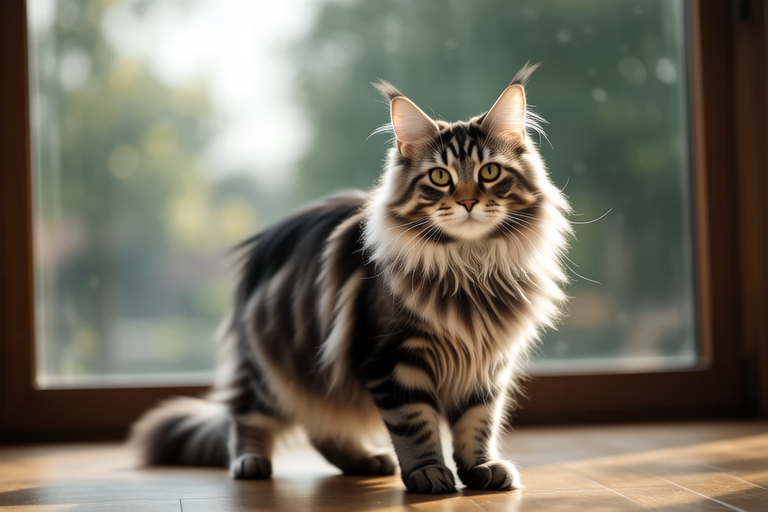
From Forest to Home: The Gentle Giants of Catdom – Maine Coons
Maine Coons are often referred to as the gentle giants of the cat world. Their large size, luxurious coats, and friendly dispositions have made them one of the most popular breeds among cat enthusiasts. This article delves into the origins and history of these magnificent creatures, exploring how they adapted from their natural forest habitats to become beloved companions in our homes.
The Origins and History of Maine Coons
The exact origins of Maine Coons are shrouded in mystery and legend. One popular myth suggests that they are descendants of long-haired cats brought to North America by Marie Antoinette, who planned to escape to the United States during the French Revolution. Another theory posits that they are the result of crossbreeding between domestic cats and raccoons, which is biologically impossible but adds to their allure. Despite these stories, it is generally accepted that Maine Coons originated in the northeastern United States, particularly in the state of Maine.
These cats were highly valued for their hunting prowess and ability to thrive in harsh climates. They were often employed by farmers to control rodent populations, earning them the nickname “the mousers of New England.” Over time, they became increasingly popular as household pets due to their friendly and sociable nature. By the late 19th century, Maine Coons were being exhibited at cat shows, where they won numerous awards for their impressive size and striking appearance.
Adaptation from Forest Environments to Domestic Homes
Maine Coons have an innate ability to adapt to various environments, from the dense forests of New England to the cozy confines of modern-day homes. Their thick, water-resistant coats protect them from cold weather, while their large paws act like snowshoes, allowing them to move effortlessly through deep snow. This resilience has allowed them to thrive in diverse settings, making them ideal candidates for domestication.
As they transitioned from outdoor hunters to indoor companions, Maine Coons retained many of their wild instincts. They are known for their curiosity and love of exploration, often investigating every nook and cranny of their surroundings. However, they also possess a gentle demeanor that makes them excellent housemates. They tend to get along well with other pets and children, making them perfect additions to multi-pet households.
Physical Characteristics
Maine Coons are easily recognizable by their distinctive physical features. They are one of the largest domestic cat breeds, with males typically weighing between 13-18 pounds and females slightly smaller at 9-12 pounds. Their bodies are muscular and well-proportioned, giving them a graceful yet powerful presence. Their tails are long and bushy, often adorned with a ruff of fur that resembles a lion’s mane.
Their coats come in a variety of colors and patterns, including tabby, tortoiseshell, calico, and solid colors like black, white, and red. The most common pattern is the classic brown tabby, characterized by dark stripes on a lighter background. Their fur is medium-length, with a silky texture that feels soft to the touch. This coat requires regular grooming to prevent matting and keep it in optimal condition.
Gentle and Sociable Nature
One of the defining traits of Maine Coons is their gentle and sociable nature. Unlike some other breeds that can be aloof or independent, Maine Coons enjoy interacting with their human companions. They are known for their playful personalities and love of games, particularly those that involve fetching or chasing toys. Their intelligence allows them to learn tricks and respond to commands, further enhancing their bond with their owners.
In addition to their friendly disposition, Maine Coons are known for their unique vocalizations. While they do meow, they also produce a variety of chirps, trills, and purrs that are distinctly different from other breeds. Some owners describe their vocalizations as sounding more like birds than typical cat noises, adding to their charm and appeal.
Intelligence and Unique Vocalizations
Maine Coons are highly intelligent animals, capable of learning complex behaviors and solving problems. This intelligence manifests in various ways, such as their ability to open doors, fetch objects, and even play musical instruments. Their problem-solving skills make them adept at finding creative solutions to challenges, whether it’s escaping from a room or figuring out how to reach a favorite toy.
Their unique vocalizations are another hallmark of Maine Coons. While they do meow, they also produce a variety of chirps, trills, and purrs that are distinctly different from other breeds. Some owners describe their vocalizations as sounding more like birds than typical cat noises, adding to their charm and appeal. These vocalizations serve multiple purposes, from expressing excitement to seeking attention or communicating with other cats.
Grooming Needs
Despite their luxurious coats, Maine Coons are relatively easy to groom. Regular brushing helps remove loose hair and prevents matting, keeping their fur healthy and shiny. Many owners find that weekly brushing sessions are sufficient to maintain their cats’ coats, although more frequent brushing may be necessary during shedding seasons. In addition to brushing, it’s important to trim their nails and clean their ears regularly to prevent infections.
Bathing is generally not required unless the cat gets excessively dirty or has skin issues. When bathing is necessary, it’s important to use a gentle shampoo designed for cats and to avoid getting water in their ears or eyes. After bathing, it’s essential to thoroughly dry their fur to prevent chills and discomfort.
Health Considerations
Like all breeds, Maine Coons are susceptible to certain health conditions. One of the most common is hip dysplasia, a genetic disorder that affects the hip joint and can lead to pain and mobility issues. Other potential health concerns include hypertrophic cardiomyopathy, a heart condition that can cause sudden death, and polycystic kidney disease, which can lead to kidney failure. Regular veterinary check-ups and genetic testing can help identify and manage these conditions early.
Another important consideration is their tendency to gain weight, especially as they age. Obesity can exacerbate joint problems and contribute to other health issues, so it’s crucial to monitor their diet and provide opportunities for exercise. Maintaining a healthy weight through proper nutrition and regular activity can help ensure that your Maine Coon lives a long and happy life.
Dietary Requirements
Maine Coons have specific dietary needs that must be met to support their growth and overall health. They require a balanced diet rich in protein, fat, and essential nutrients. High-quality commercial cat foods formulated for large breeds or senior cats are often recommended, as they provide the necessary nutrients in appropriate proportions. It’s important to consult with a veterinarian to determine the best diet for your individual cat based on factors such as age, activity level, and any existing health conditions.
In addition to commercial foods, some owners choose to supplement their cats’ diets with fresh meats or homemade meals. If you decide to feed your Maine Coon a homemade diet, it’s essential to work closely with a veterinarian or animal nutritionist to ensure that all nutritional requirements are met. Regardless of the feeding method, it’s important to monitor your cat’s weight and adjust their diet as needed to maintain a healthy body condition.
Why Maine Coons Make Excellent Family Pets
Maine Coons are truly exceptional pets, offering a unique combination of size, beauty, and personality that sets them apart from other breeds. Their gentle and sociable nature makes them ideal companions for families with children or other pets. They are patient and tolerant, rarely showing signs of aggression or irritation, even when provoked. Their playful personalities and love of games make them excellent playmates for children, providing hours of entertainment and bonding opportunities.
Many owners attest to the therapeutic benefits of having a Maine Coon in their home. Their calming presence and affectionate nature can help reduce stress and anxiety, creating a peaceful environment for everyone. One owner shared, “Our Maine Coon, Luna, has been a constant source of joy and comfort for our family. She has a way of knowing when someone needs extra attention and will curl up beside them, offering her warmth and companionship.”
In conclusion, Maine Coons are more than just pets; they are cherished members of the family. Their rich history, striking appearance, and loving personalities make them an excellent choice for anyone looking to add a feline friend to their household. Whether you’re a seasoned cat owner or considering adopting your first pet, a Maine Coon is sure to bring years of happiness and companionship to your home.
