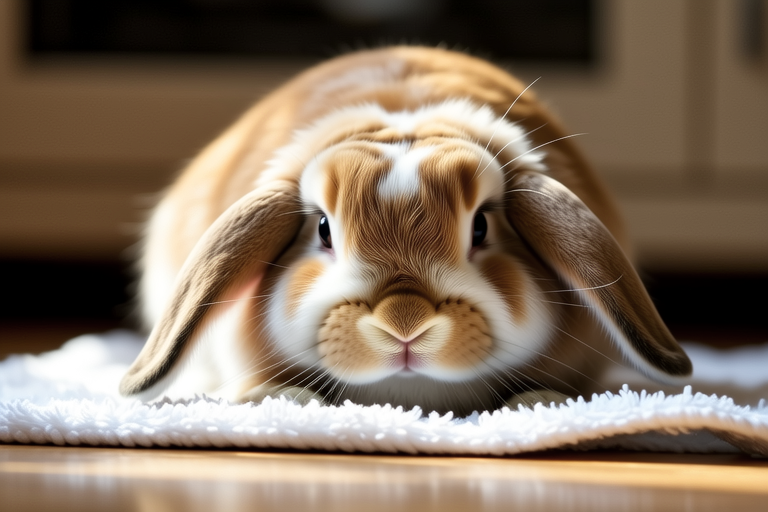
Why You Need a Lovable Lop in Your Life: Fun Facts and Care Tips
Welcome to the delightful world of lop-eared rabbits! These charming creatures have captured the hearts of many with their gentle nature and unique appearance. Lops are known for their large, floppy ears that droop down gracefully, giving them an endearing and approachable look. With their friendly disposition and playful antics, it’s no wonder they make such wonderful companions. This article will delve into the reasons why you should consider adding a lop to your family, provide fun facts about their behavior, origins, and physical traits, and offer essential care tips to ensure your furry friend leads a happy and healthy life.
The Unique Charm of Lop-Eared Rabbits
Lop-eared rabbits come in various breeds, each with its own set of characteristics. The most popular types include the English Lop, French Lop, and Holland Lop. While all lops share the signature droopy ears, each breed varies in size, coat color, and personality. For instance, the English Lop is the largest of the lop breeds, known for its impressive ear length, while the Holland Lop is smaller and more compact, making it suitable for apartment living. Regardless of the breed, lops are generally docile, affectionate, and highly interactive with their human companions.
Fun Facts About Lop-Eared Rabbits
Origins and History
The history of lop-eared rabbits dates back centuries. The first recorded mention of a lop-eared rabbit was in 16th-century Spain, where they were bred for meat. Over time, these rabbits gained popularity as pets due to their gentle demeanor and appealing looks. Today, they are one of the most beloved rabbit breeds, appreciated by families and individuals alike.
Distinctive Physical Traits
Besides their famous flopping ears, lop-eared rabbits have several other distinguishing features. Their large, expressive eyes add to their charming appearance, and their soft, dense fur comes in a variety of colors and patterns. The length of their ears can range from a few inches to over a foot, depending on the breed. Proper care and grooming are essential to maintain the health and appearance of their luxurious coats.
Behavioral Characteristics
Lops are social animals that thrive on interaction and attention. They are intelligent and curious, often engaging in playful activities like digging, chewing, and exploring their surroundings. These rabbits enjoy being handled and can even be trained to perform simple tricks, making them enjoyable companions for children and adults. Additionally, lops tend to be calmer and more laid-back compared to some other rabbit breeds, which makes them ideal for households with young kids or those seeking a peaceful pet.
The Benefits of Owning a Lop as a Pet
Temperament and Interaction
One of the primary reasons people choose lops as pets is their amiable temperament. They are generally friendly, patient, and tolerant of handling, which makes them perfect for families. Lops enjoy spending time with their owners, whether it’s lounging together or participating in playtime. Their calm demeanor also means they can coexist peacefully with other household pets, provided proper introductions are made.
Health and Longevity
With proper care, lop-eared rabbits can live up to ten years, offering long-lasting companionship. Regular veterinary check-ups, a balanced diet, and a clean environment are key factors in maintaining their health. By providing your lop with the necessary care and attention, you can ensure they lead a fulfilling and active life.
Practical Care Tips
Diet and Nutrition
A well-balanced diet is crucial for the overall health of your lop-eared rabbit. The foundation of their diet should consist of high-quality hay, which aids in digestion and dental health. Fresh vegetables and fruits should be offered in moderation, while commercial rabbit pellets can be given sparingly. Avoid feeding your lop any foods that could be harmful, such as chocolate, onions, or avocado. Always ensure access to fresh water at all times.
Housing and Environment
Creating a safe and comfortable living space for your lop is vital. A spacious cage or enclosure with plenty of room for movement is recommended. The cage should have a solid floor to prevent injury and should be placed in a quiet area away from direct sunlight and drafts. Providing hiding spots, tunnels, and toys will stimulate your lop’s natural instincts and keep them entertained. Regular cleaning of the enclosure is essential to maintain hygiene and prevent illness.
Exercise and Playtime
Rabbits need regular exercise to stay healthy and happy. Allow your lop to spend supervised time outside of its enclosure in a secure, rabbit-proofed area. This provides an opportunity for exploration, exercise, and mental stimulation. Interactive toys and activities, such as tunnels and chew toys, can also help keep your lop engaged and mentally stimulated.
Grooming and Hygiene
Grooming your lop-eared rabbit is an important part of their care routine. Regular brushing helps remove loose hair and prevents matting, especially during shedding seasons. Pay special attention to their ears, checking for any signs of infection or irritation. Trimming nails and cleaning teeth are additional grooming tasks that should be performed regularly. Consult your veterinarian for guidance on proper grooming techniques and frequency.
Adopting a Lop: A Commitment to Responsible Ownership
Bringing a lop-eared rabbit into your home is a significant decision that requires dedication and commitment. Adopting from a reputable breeder or shelter ensures that your new companion has been properly cared for and socialized. When adopting, take the time to learn about the specific needs of your chosen breed and be prepared to provide the love, attention, and care they deserve. Remember that owning a pet is a long-term commitment, so ensure you have the resources and time to meet your lop’s requirements.
Where to Adopt
If you’re ready to welcome a lop into your life, consider adopting from local shelters or rescue organizations. Many shelters have lops available for adoption, and rescuing a pet is a rewarding experience. Additionally, visiting breed-specific rescue groups can increase your chances of finding the right match. When adopting, ask questions about the rabbit’s background, temperament, and any specific care needs.
How to Adopt
The adoption process typically involves filling out an application, meeting the rabbit, and completing any necessary paperwork. Some shelters may require a home visit or references to ensure the safety and well-being of the animal. Once approved, you’ll receive guidance on transitioning your new lop to their new home, including information on diet, housing, and behavior training.
In conclusion, lop-eared rabbits make wonderful companions with their unique charm, gentle nature, and playful personalities. By understanding their origins, behaviors, and care requirements, you can provide a loving and enriching environment for your new furry friend. Embrace the joy and companionship that a lop brings to your life, and remember that responsible ownership is key to ensuring a long and happy partnership.
