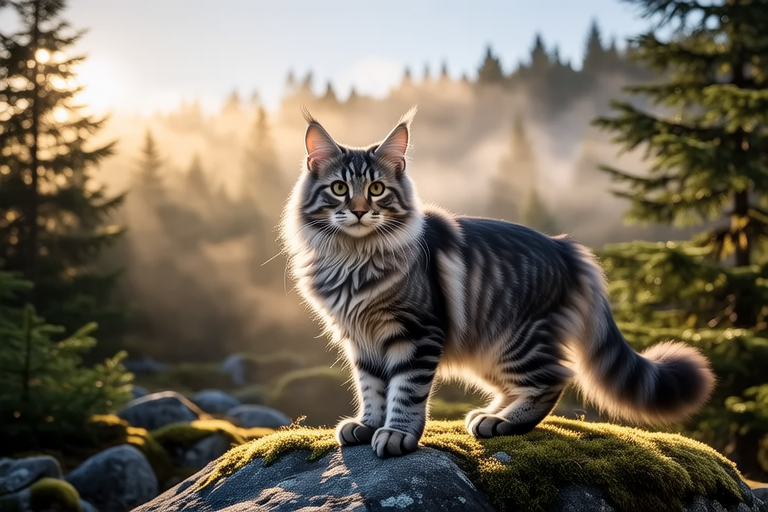
Secret Lives of Cats in Norway: Myth vs Reality
When one thinks of Norway, images of fjords, rugged mountains, and snowy landscapes come to mind. But what about the country’s feline inhabitants? Popular culture has painted a picture of Norwegian cats that is often romanticized and far removed from reality. This article delves into the contrasting perceptions and factual insights into the lifestyle of cats in Norway, comparing popular myths with the actual behaviors, habitats, and cultural significance they hold.
The Outdoor Adventures of Norwegian Cats
In many parts of the world, cats are typically indoor pets, but in Norway, it’s common for them to roam freely outdoors. The notion of Norwegian cats leading adventurous lives has been romanticized by media and folklore. Many believe that these felines spend their days exploring vast forests and mountains, much like their wild counterparts. While it’s true that some cats do venture into the wild, the majority stick close to home, often within a few hundred meters of where they live.
Cats in Norway are well-adapted to the outdoors, but their adventures are more about neighborhood exploration than grand expeditions. They might chase birds, explore gardens, or simply bask in the sun during the long summer days. Their outdoor activities are largely influenced by the availability of food and shelter, which can vary depending on the region.
Interactions with the Harsh Nordic Climate
The harsh Nordic climate presents unique challenges for Norwegian cats. Folklore often portrays these felines as stoic survivors, capable of thriving in the coldest conditions. In reality, Norwegian cats have adapted to the cold in various ways. They grow thick, insulating coats during winter, which helps them retain body heat. Additionally, many owners provide insulated shelters or heated beds to ensure their cats stay warm and comfortable.
Despite their adaptations, prolonged exposure to extreme cold can be harmful. Responsible pet owners in Norway take precautions to protect their cats from frostbite and hypothermia. This includes limiting outdoor time during severe weather and ensuring access to warm, dry spaces.
Dietary Habits: Myths and Realities
Popular belief suggests that Norwegian cats primarily hunt for their meals, living off the land and relying on their natural instincts. While hunting does play a role in their diet, especially for stray or semi-feral cats, most domesticated Norwegian cats receive balanced commercial diets. These diets are formulated to meet all nutritional needs, ensuring good health and longevity.
Owners in Norway are increasingly aware of the importance of proper nutrition. They often consult veterinarians or animal nutritionists to create personalized feeding plans for their cats. Some even incorporate raw diets or homemade meals, but these require careful preparation to avoid nutrient imbalances.
Relationships with Humans: Beyond the Stereotypes
Norwegian cats are often depicted as independent and aloof, traits that have been exaggerated by media and folklore. While it’s true that many cats prefer solitude, others form strong bonds with their human companions. The relationship between cats and humans in Norway is multifaceted, influenced by cultural practices and individual preferences.
In rural areas, cats may serve practical purposes such as rodent control, but they also provide companionship. Urban settings see cats as cherished pets, with owners investing in toys, grooming tools, and veterinary care. The bond between humans and cats in Norway reflects a deep respect for animals, with many people viewing their pets as family members.
Cultural Significance and Media Influence
Cats have held significant cultural importance in Norway for centuries. Norse mythology features several feline deities, and cats are often associated with magic and protection. These stories have contributed to the mystique surrounding Norwegian cats, shaping popular perceptions. However, modern media has further romanticized these creatures, sometimes at the expense of accuracy.
Television shows, books, and social media platforms frequently depict Norwegian cats as mystical beings, capable of navigating the wilderness with ease. While these portrayals capture the imagination, they often overlook the everyday realities of cat life. By understanding the true nature of Norwegian cats, we gain a deeper appreciation for their resilience and adaptability.
Unique Adaptations and Peculiarities
Norwegian cats possess several unique adaptations that allow them to thrive in their environment. Their thick fur, sharp claws, and keen senses make them well-suited for life in the wild. Some breeds, such as the Norwegian Forest Cat, have evolved over generations to withstand harsh winters and navigate treacherous terrain.
These adaptations extend beyond physical characteristics. Norwegian cats are known for their problem-solving abilities and resourcefulness. They can find shelter in unexpected places and locate food sources efficiently. Their intelligence and adaptability are key factors in their survival.
Conclusion
The secret lives of cats in Norway reveal a complex interplay of myth and reality. While popular culture has romanticized these felines, their true behaviors, habitats, and relationships with humans offer a rich tapestry of experiences. By dispelling misconceptions and embracing the truth, we gain a deeper understanding of the remarkable lives of Norwegian cats.
