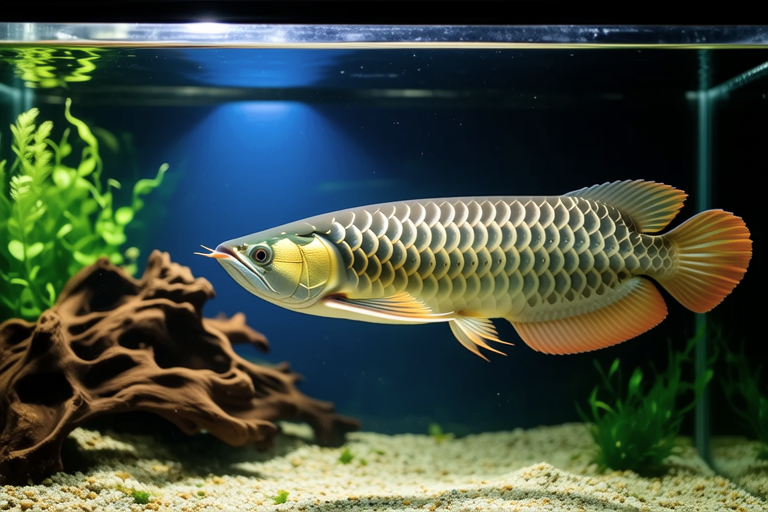
Arowana 101: How to Create an Optimal Habitat for These Aquatic Giants
Welcome to Arowana 101, your comprehensive guide to understanding and caring for one of the most majestic fish species known as arowanas. Known for their striking appearance and impressive size, arowanas are a favorite among aquarium enthusiasts. This article will walk you through everything you need to know about creating the perfect habitat for these aquatic giants.
Unique Characteristics of Arowanas
Arowanas, often referred to as dragonfish, are some of the most captivating creatures in the freshwater aquarium world. They belong to the Osteoglossidae family and are known for their elongated bodies, large scales, and powerful jaws. Their most distinctive feature is the ability to leap out of the water to catch insects and small birds, a behavior reminiscent of prehistoric times. With their vibrant colors and sleek appearance, they add a touch of elegance to any aquarium. However, their size and strength require special attention when it comes to setting up their habitat.
Native Habitats and Ideal Water Conditions
Native to the warm waters of South America, Africa, and parts of Asia, arowanas thrive in environments that closely mimic their natural habitats. In the wild, they inhabit slow-moving rivers, swamps, and flooded forests, where the water is usually warm, soft, and slightly acidic. To create an optimal habitat for your arowanas, it’s crucial to replicate these conditions as closely as possible.
The ideal water temperature for arowanas ranges between 78°F and 84°F (25°C and 29°C). Maintaining this temperature range is vital for their comfort and health. Additionally, the pH level should be kept between 6.0 and 7.5, reflecting the slightly acidic nature of their natural environment. Regular testing of water parameters is recommended to ensure consistency.
Filtration plays a critical role in maintaining water quality. Arowanas produce a significant amount of waste, so a high-quality filter capable of handling large volumes of water is essential. Biological, mechanical, and chemical filtration methods should be combined to provide the best results. Regular water changes, typically 10-20% weekly, also contribute to keeping the water clean and healthy.
Tank Size and Setup
Due to their large size and active nature, arowanas require ample space. A single adult arowana requires at least a 200-gallon tank, but larger tanks are preferable for multiple fish or to allow more swimming room. The tank should have a minimum length of 6 feet (1.8 meters) to accommodate their swimming patterns.
When setting up the tank, consider the following:
- Length: The tank should be long enough to allow the fish to swim freely without bumping into the sides.
- Width: A wider tank provides more surface area, which is beneficial for oxygen exchange.
- Depth: While depth is important, arowanas prefer shallower waters, so a depth of 24 inches (60 cm) is sufficient.
In addition to the physical dimensions, the tank should be equipped with robust filtration and heating systems to maintain stable water conditions. Arowanas are sensitive to sudden changes, so gradual adjustments are necessary when making any modifications to their environment.
Decorations and Hiding Spots
Creating a safe and stimulating environment for your arowanas involves thoughtfully selecting decorations and providing hiding spots. Arowanas appreciate open spaces for swimming but also benefit from having areas where they can retreat if they feel threatened or simply want privacy.
When choosing decorations, opt for sturdy, non-toxic materials that won’t be easily knocked over or damaged by the fish. Rocks, driftwood, and artificial plants are excellent choices. Live plants can also be used but should be chosen carefully, as some varieties may be consumed or uprooted by the fish.
To mimic their natural habitat, consider adding floating plants or leaves on the water’s surface. These not only provide cover but also encourage the fish to exhibit their natural behaviors, such as leaping out of the water to catch prey.
Feeding Habits and Dietary Needs
Arowanas are carnivorous and require a varied diet to stay healthy. In the wild, their diet consists of insects, crustaceans, smaller fish, and even small birds. Replicating this diet in captivity ensures proper nutrition and overall well-being.
Commercially available frozen foods like bloodworms, brine shrimp, and krill are suitable for arowanas. However, supplementing their diet with live foods like feeder fish or insects can help stimulate their hunting instincts and provide additional nutrients. It’s important to vary their diet regularly to avoid nutritional deficiencies.
Feeding frequency should be adjusted based on the fish’s age and size. Younger arowanas generally require more frequent feedings, while adults can be fed every other day. Overfeeding should be avoided to prevent water pollution and potential health issues.
Maintaining Water Quality and Regular Maintenance
Maintaining water quality is paramount for the longevity and health of your arowanas. Regular monitoring of water parameters, including temperature, pH, ammonia, nitrite, and nitrate levels, is essential. Any deviations from the ideal range should be addressed promptly.
Performing routine water changes is another key aspect of care. Aim for 10-20% water changes weekly to remove accumulated waste and refresh the water. During these changes, gently siphon the substrate to remove debris without disturbing the fish.
Cleaning the filter media and replacing it as needed is also crucial for maintaining efficient filtration. Over time, filter media can become clogged with debris, reducing its effectiveness. Follow the manufacturer’s guidelines for cleaning and replacement schedules.
Regular observation of your arowanas’ behavior and appearance can help identify potential health issues early. Look for signs of stress, such as lethargy, loss of appetite, or abnormal swimming patterns. Prompt action, including consulting a veterinarian specializing in exotic fish, can be critical in addressing these issues effectively.
In conclusion, providing an optimal habitat for arowanas involves replicating their natural environment, meeting their specific water conditions, and offering a balanced diet. By understanding their unique needs and dedicating yourself to regular maintenance, you can ensure a long and healthy life for these magnificent aquatic giants.
