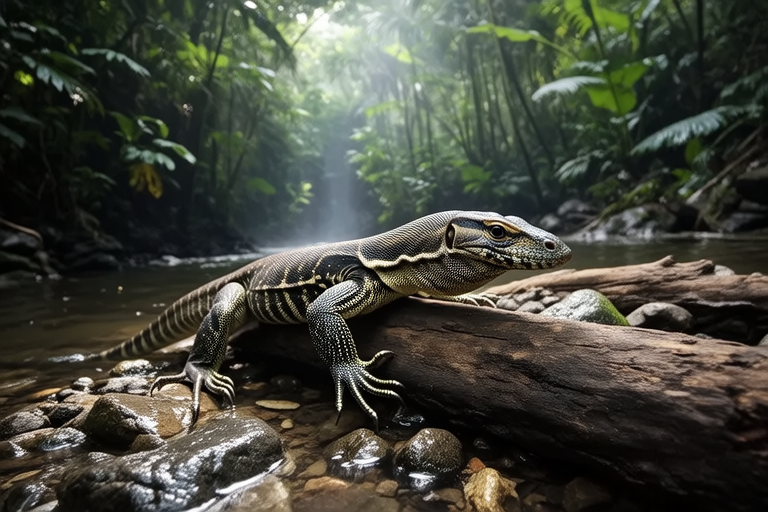
Unleashing the Secrets of the Water Monitor: A Complete Care Guide
The water monitor (Varanus salvator) is one of the largest lizards in the world and a popular exotic pet among reptile enthusiasts. This comprehensive guide will help you understand the unique care requirements of this impressive creature, providing essential information for both novice and experienced reptile owners.
Natural Habitat
Water monitors are native to Southeast Asia, ranging from India through Malaysia and Indonesia. They thrive in tropical environments with abundant water sources such as rivers, lakes, and swamps. These habitats offer ample space for swimming and basking, which are crucial activities for their well-being. In captivity, it is important to replicate these conditions as closely as possible to ensure your monitor’s health and happiness.
Dietary Needs
Water monitors are omnivorous, meaning they eat both plant matter and animal protein. In the wild, their diet consists of insects, small mammals, birds, fish, and occasionally fruits. Captive monitors should be provided with a balanced diet that includes lean meats like chicken or turkey, occasional feeder fish, and a variety of vegetables. It is advisable to offer calcium and vitamin supplements to support bone health and overall nutrition.
Feeding frequency depends on the age and size of the monitor. Juveniles may require daily feeding, while adults can be fed every two to three days. Always monitor your monitor’s weight and adjust feeding amounts accordingly to prevent obesity.
Housing Requirements
Adequate housing is crucial for the well-being of a water monitor. Given their size and active nature, they require spacious enclosures. For an adult monitor, a minimum enclosure size of 12 feet by 6 feet by 6 feet is recommended. The enclosure should include a large water area, at least half the total floor space, for swimming. The water depth should be sufficient for the monitor to submerge completely.
Basking areas are equally important. Provide multiple heat sources, including a UVB light and a heat lamp, to mimic natural sunlight. The temperature gradient within the enclosure should range from 85°F to 95°F (29°C to 35°C) during the day, with a basking spot reaching up to 100°F (38°C). At night, the temperature can drop slightly to around 75°F to 80°F (24°C to 27°C).
The substrate should be non-toxic and easy to clean. Cypress mulch, coconut fiber, or reptile-safe sand can be used. Avoid substrates that could cause impaction if ingested, such as gravel or small wood chips. Regular cleaning and maintenance of the enclosure are necessary to prevent bacterial growth and ensure a healthy living environment.
Health Issues
Water monitors are generally hardy animals, but they are susceptible to certain health issues. Metabolic bone disease (MBD), caused by a lack of calcium and vitamin D3, is a common problem. Symptoms include softening of the bones, lethargy, and difficulty moving. Ensuring proper supplementation and UVB lighting can prevent MBD.
Respiratory infections can occur due to improper humidity levels or inadequate heating. Signs include nasal discharge, wheezing, and lethargy. Maintaining optimal humidity and temperature levels is key to preventing respiratory issues. Regular veterinary check-ups are also recommended to catch any potential health problems early.
Behavioral Traits
Water monitors are intelligent and curious creatures with distinct personalities. They are highly active and require plenty of space to move around. While they are generally docile, they can become aggressive if they feel threatened or are mishandled. It is important to establish trust and handle them gently and consistently.
Monitors are known for their climbing abilities and enjoy exploring vertical spaces. Providing branches, rocks, and other climbing structures in the enclosure can keep them mentally stimulated. They are also excellent swimmers and should have access to a large water area where they can exercise and cool off.
Tips for Handling
Handling your water monitor requires patience and care. Start by building trust through regular interactions in a controlled environment. Approach your monitor calmly and avoid sudden movements. Allow it to acclimate to your presence before attempting to pick it up.
When handling, always support the body firmly and avoid squeezing. Place one hand under the chest and another under the tail for secure grip. Keep handling sessions short and positive to prevent stress. It is also wise to wear protective gloves to avoid scratches from claws and teeth.
Always supervise children when handling water monitors and ensure they understand the importance of gentle handling. Monitors can be unpredictable, especially with unfamiliar people, so it is best to handle them alone or with experienced assistance.
Conclusion
Caring for a water monitor is a rewarding yet challenging endeavor. By understanding their natural habitat, dietary needs, housing requirements, health issues, and behavioral traits, you can provide the best possible care for your monitor. With proper attention and commitment, you can enjoy a long and fulfilling relationship with this magnificent reptile.
