Adopting a Golden British Shorthair: What Every Future Owner Needs to Know
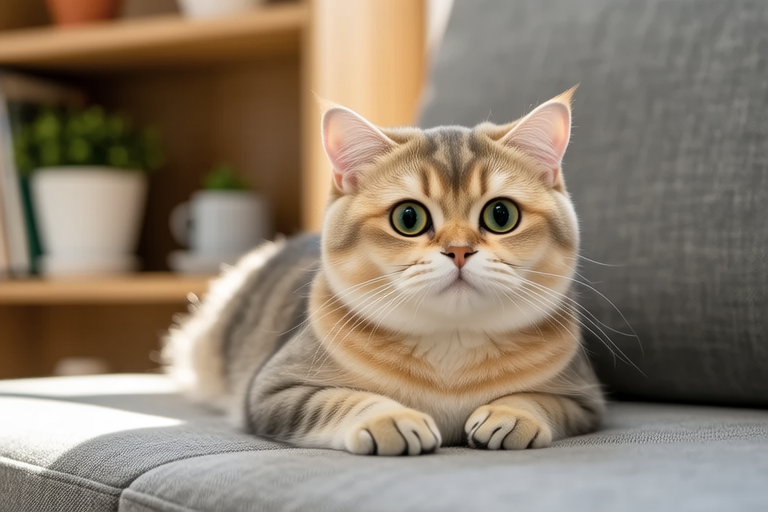
The golden British Shorthair is a breed that combines the charm and grace of a classic British cat with the warmth and companionship of a family pet. Known for their golden coats and gentle dispositions, these cats are beloved by many for their affectionate nature and calm demeanor. This article will guide you through everything you need to know about adopting a golden British Shorthair, from understanding their unique characteristics to ensuring they live a long and healthy life.
Introduction: The Unique Charm of Golden British Shorthairs
Golden British Shorthairs are known for their dense, plush coats that shimmer in shades of gold, cream, and apricot. Their round faces, expressive eyes, and robust bodies make them instantly recognizable. These cats are not just beautiful; they are also intelligent and playful, yet they maintain a quiet dignity that sets them apart from other breeds. Their golden coats are soft to the touch and often attract admiration, but it’s their gentle and loyal nature that truly wins hearts.
Temperament
One of the most appealing aspects of golden British Shorthairs is their temperament. They are typically calm, patient, and even-tempered, making them ideal companions for families with children or other pets. These cats enjoy human interaction but are not overly demanding of attention. They are content to sit quietly beside you while you work or relax, offering a sense of companionship without being intrusive. Their patience and gentle nature make them excellent therapy animals as well.
Health Considerations
Like all breeds, golden British Shorthairs have specific health concerns that potential owners should be aware of. Regular veterinary check-ups are essential to catch any potential issues early. Common health problems include obesity, dental issues, and heart disease. Obesity can be managed through a balanced diet and regular exercise, while dental care involves brushing their teeth regularly and providing appropriate chew toys. Heart disease can be monitored through routine blood pressure checks.
Dietary Needs
A proper diet is crucial for maintaining the health and vitality of your golden British Shorthair. High-quality cat food that meets their nutritional needs is recommended. Look for foods that are rich in protein, vitamins, and minerals. Avoid overfeeding, especially since this breed is prone to weight gain. Fresh water should always be available, and you might consider adding wet food to their diet to ensure they get enough hydration. Consult with your veterinarian to determine the best feeding schedule and portion sizes for your cat.
Grooming Requirements
Golden British Shorthairs have short, dense coats that require regular grooming to keep them clean and free of mats. Brushing your cat once or twice a week will help remove loose hair and prevent shedding. During the spring and fall shedding seasons, more frequent brushing may be necessary. Bathing is generally not required unless your cat gets particularly dirty, but regular nail trimming and ear cleaning are important for overall hygiene.
Common Behavioral Traits
Golden British Shorthairs are generally easy-going and adapt well to various living situations. However, like all cats, they have certain behavioral traits that owners should understand. They are independent but still crave companionship, so spending quality time with them is important. Providing scratching posts, climbing trees, and interactive toys can help satisfy their natural instincts. Training can be done gently, focusing on positive reinforcement to encourage good behavior.
The Adoption Process
Where to Find Reputable Shelters or Breeders
When adopting a golden British Shorthair, it’s important to choose a reputable shelter or breeder. Shelters provide a chance to adopt a cat that may have been abandoned or surrendered. Reputable breeders will offer health guarantees and can provide valuable information about the cat’s lineage and temperament. Always ask for references and visit the breeding facility if possible to ensure the environment is clean and the cats are well-cared for.
Initial Veterinary Visit
After bringing your new golden British Shorthair home, the first veterinary visit is crucial. Your vet will perform a thorough examination, check for any underlying health issues, and discuss vaccinations and deworming schedules. Spaying or neutering is recommended to prevent unwanted litters and reduce the risk of certain cancers. Your vet will also provide guidance on diet, grooming, and general care tailored to your cat’s individual needs.
Tips for Introducing a New Cat to Your Home and Existing Pets
Introducing a new cat to your home and existing pets requires patience and careful planning. Start by creating a safe space for your new cat where they can adjust to their surroundings without feeling overwhelmed. Gradually introduce them to other pets under controlled conditions, allowing them to sniff each other through a door before engaging in face-to-face meetings. Positive reinforcement, such as treats and praise, can help build positive associations between your new cat and others in the household.
Maintaining a Strong Bond and Ensuring a Happy, Healthy Life
To maintain a strong bond with your golden British Shorthair, continue to provide them with love, attention, and enrichment activities. Spend time playing with them daily, which helps stimulate their minds and keeps them physically active. Establish routines for feeding, grooming, and playtime to create a sense of security. Regular veterinary care and a nutritious diet are key to ensuring they remain healthy throughout their lives.
In conclusion, adopting a golden British Shorthair is a rewarding experience that brings joy and companionship into your home. By understanding their unique needs and providing them with proper care, you can ensure a happy, healthy life for your new feline friend. With their golden coats, gentle nature, and loving disposition, these cats make wonderful additions to any family.
