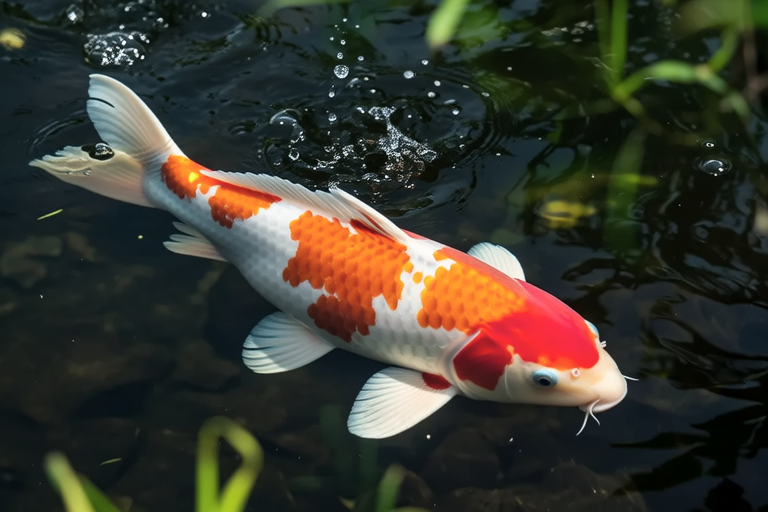
Koi Care Simplified: Essential Tips for Happy, Healthy Fish
Welcome to the captivating world of koi fish! Known for their vibrant colors and graceful movements, these ornamental carp have long been admired for their beauty and charm. Whether you’re a seasoned aquarist or a beginner looking to add a splash of color to your backyard, koi fish offer a rewarding experience. This guide will provide you with essential tips to ensure your koi are happy and healthy.
The Popularity and Beauty of Koi Fish
Originating from ancient Japan, koi fish have become a global sensation. Their striking patterns and tranquil presence make them popular additions to ponds and water gardens. These fish can grow up to three feet long and live for decades, making them a long-term investment in your garden’s aesthetic and ecosystem. With proper care, they can thrive in both small ponds and large lakes.
Proper Pond Setup
Setting up a suitable environment is crucial for the well-being of your koi. The ideal pond size varies based on the number of fish and their size, but generally, a minimum depth of 3 feet is recommended to provide sufficient space and temperature stability. Incorporating plants like water lilies not only enhances aesthetics but also aids in oxygen production and filtration.
Adequate filtration systems are vital to maintain clean water. Filters remove waste and debris, preventing harmful build-ups that could lead to health issues. An expert recommendation is to install a pump that circulates at least 10 times the volume of the pond per hour. This ensures constant water movement and prevents stagnation.
Water Quality Maintenance
Water quality directly impacts koi health. Regular testing for pH levels, ammonia, nitrite, and nitrate is necessary to maintain optimal conditions. A stable pH between 7.0 and 8.5 is ideal, while ammonia and nitrite levels should be undetectable. High nitrate levels can indicate poor filtration or overfeeding, so it’s important to perform partial water changes regularly.
To prevent algae growth, consider installing UV clarifiers. These devices emit ultraviolet light that kills algae spores, keeping the water clear. Additionally, adding beneficial bacteria can help establish a healthy biological filter, further enhancing water quality.
Feeding Guidelines
Proper nutrition is key to maintaining your koi’s health. High-quality pellets formulated specifically for koi are recommended. These pellets contain balanced nutrients and vitamins necessary for growth and immune support. Feed your koi several small meals throughout the day rather than one large meal. Overfeeding can lead to poor water quality and obesity.
Adjust feeding habits according to the season. In colder months, reduce feedings as koi become less active. During warmer periods, increase the frequency but monitor for signs of overfeeding. Always observe your koi for interest in food; if they show little enthusiasm, it may be a sign of stress or illness.
Disease Prevention
Prevention is better than cure when it comes to koi health. Quarantine new arrivals for at least two weeks before introducing them to the main pond. This helps detect any underlying diseases early. Regularly inspect your koi for signs of distress such as frayed fins, lethargy, or unusual spots. Prompt action can save your fish from serious complications.
Maintaining good hygiene practices is equally important. Clean equipment and tools regularly to avoid spreading pathogens. Some experts suggest treating the pond with a broad-spectrum medication periodically to preemptively address potential issues.
Seasonal Care Tips
Spring brings about the breeding season for koi. Ensure there are ample hiding spots for fry (young koi) to protect them from adult predators. As temperatures rise, increase water circulation to prevent overheating. Summer heat can stress fish, so shade the pond with floating plants or cover parts of the surface.
Fall signals the approach of winter. Gradually reduce feeding as water temperatures drop. Prepare the pond by cleaning filters and removing excess debris. Winter care involves ensuring the pond does not freeze completely, which can harm your fish. Use heaters or aerators if necessary.
Observing Behavioral Changes for Early Health Issues
Closely monitoring your koi’s behavior can alert you to early signs of health problems. Watch for changes in swimming patterns, appetite, and overall activity level. If you notice a fish staying near the surface more often, it might indicate respiratory distress. Reduced appetite or lethargy could point towards digestive issues or general malaise.
Early detection allows for timely intervention, potentially saving your fish. Consult with a veterinarian specializing in aquatic animals for professional advice and treatment options. They can provide tailored solutions based on specific symptoms and pond conditions.
In conclusion, caring for koi fish requires attention to detail and consistent effort. By setting up an appropriate pond, maintaining excellent water quality, providing nutritious food, preventing diseases, and adapting to seasonal changes, you can ensure your koi live long, healthy lives. Remember, every pond is unique, so tailor these guidelines to suit your particular setup and circumstances.
