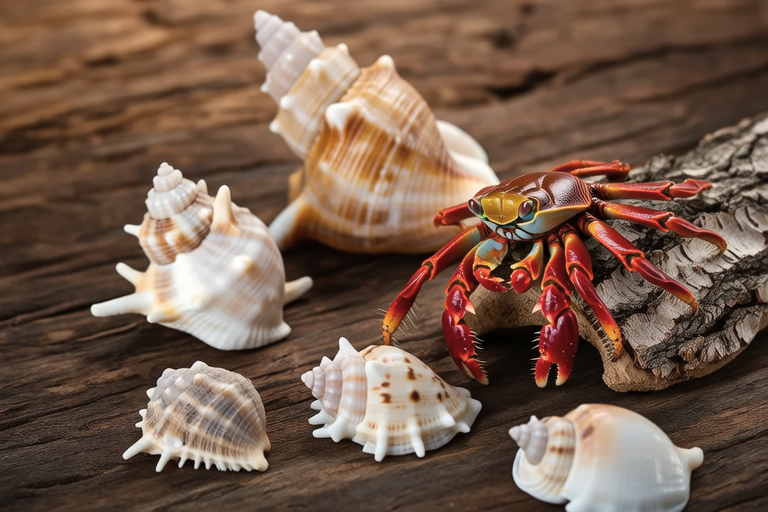
Shell Game: How to Choose the Perfect Home for Your Hermit Crab
Welcome to your ultimate guide on creating the perfect home for your hermit crabs! Whether you’re a first-time owner or a seasoned enthusiast, this comprehensive guide will help you understand the essential elements required to provide your little crustaceans with a comfortable and stimulating living environment.
Understanding Hermit Crab Habitat Needs
Hermit crabs come from diverse environments, including tropical beaches, mangrove swamps, and coral reefs. They thrive in warm, humid conditions that mimic their natural habitats. Understanding these requirements is crucial for their well-being. In the wild, hermit crabs live in colonies, so it’s important to house them in groups to encourage social interaction. Providing ample space and enrichment is key to keeping them happy and healthy.
Selecting Appropriate Tank Size and Accessories
Choosing the right tank size is vital for your hermit crabs’ comfort. A general rule of thumb is to provide at least 3 gallons of space per crab, but more room is always better. For instance, a 10-gallon tank can comfortably house four to six hermit crabs. The tank should have a secure lid to prevent escapes and ensure a stable environment. Additionally, include various accessories such as climbing structures, caves, and tunnels to stimulate exploration and play.
Ensure the tank has a deep substrate layer, ideally around 4 inches, to allow burrowing. This helps maintain humidity and provides a natural environment for your crabs. Incorporating water dishes is also essential; one dish for freshwater and another for saltwater. The saltwater dish should be non-chlorinated and contain marine-grade aquarium salt to replicate the brackish water they encounter in nature.
Creating a Balanced Substrate Mix
The substrate forms the foundation of your hermit crab’s habitat. It should retain moisture and provide a natural environment for burrowing and molting. A popular choice is a mixture of coconut fiber, crushed coral, and calcium sand. Coconut fiber retains moisture well and is soft on the crabs’ delicate feet. Crushed coral adds beneficial minerals and promotes good respiratory health. Calcium sand is great for molting as it provides a hard surface for the crabs to emerge from their old exoskeletons.
Avoid using gravel, sand, or any substrate that could cause impaction if ingested. Regularly check the substrate for cleanliness and replace it every few months to prevent bacterial growth and ensure optimal conditions.
Maintaining Optimal Temperature and Humidity Levels
Hermit crabs require specific temperature and humidity levels to thrive. Maintain a temperature range between 75°F and 85°F (24°C to 29°C) using a heat lamp or under-tank heater. Ensure the temperature remains consistent throughout the tank by placing the heat source on one side, creating a temperature gradient. This allows your crabs to regulate their body temperature by moving to cooler areas when needed.
Humidity should be kept between 70% and 80%. Achieve this by misting the tank daily and using a hygrometer to monitor levels. If the humidity drops below 70%, increase misting frequency or add a humidifier. Conversely, if it exceeds 80%, improve air circulation by adding a small fan or reducing the amount of water in the dishes.
Providing a Variety of Shells for Molting
One of the most fascinating aspects of hermit crab ownership is watching them molt and change shells. To facilitate this process, offer a wide variety of shells in different sizes, shapes, and textures. Ensure there are enough shells for all your crabs, plus a few extras, to avoid competition. Place the shells in shallow dishes scattered throughout the tank to encourage exploration and selection.
During molting, hermit crabs become vulnerable and require a safe, secluded area. Provide a hide box lined with moistened substrate to create a cozy environment for them to retreat into. Avoid disturbing them during this time, as it could lead to stress or injury.
Ensuring Proper Ventilation
Proper ventilation is crucial for maintaining a healthy tank environment. Ensure the tank has adequate airflow by incorporating vents or mesh screens in the lid. This prevents condensation buildup and reduces the risk of mold and bacteria growth. However, avoid excessive ventilation that could dry out the tank and compromise humidity levels. Striking the right balance is key to providing a comfortable living space.
Tips for Setting Up and Maintaining a Healthy Environment
- Regular Cleaning: Clean the tank and its accessories weekly to remove waste and debris. Replace the substrate every few months to prevent bacterial growth.
- Water Quality: Change the water in the dishes frequently to maintain cleanliness. Use dechlorinated water for both fresh and saltwater dishes.
- Feeding: Provide a varied diet rich in proteins, vitamins, and minerals. Offer a mix of fruits, vegetables, and commercial hermit crab food. Remove uneaten food promptly to prevent spoilage.
- Handling: Handle your hermit crabs gently and infrequently to minimize stress. Use a soft brush or tongs when necessary to avoid injuring them.
Addressing Common Mistakes
- Overcrowding: Avoid housing too many hermit crabs in a small space, as this can lead to stress and aggression.
- Inadequate Ventilation: Poor ventilation can result in mold growth and respiratory issues.
- Incorrect Temperature and Humidity: Failing to maintain the correct temperature and humidity levels can cause dehydration, stunted growth, and molting complications.
Importance of Regular Monitoring and Care
Regular monitoring and care are essential for the long-term health and happiness of your hermit crabs. Observe their behavior, appetite, and physical condition regularly. Address any signs of illness or distress promptly to prevent further complications. By staying attentive and proactive, you can ensure your hermit crabs enjoy a vibrant and fulfilling life in their new home.
By following the guidelines outlined in this comprehensive guide, you’ll be well-equipped to create the perfect home for your hermit crabs. Remember, a well-maintained habitat not only ensures their health but also enhances their quality of life. Happy shell hunting!
