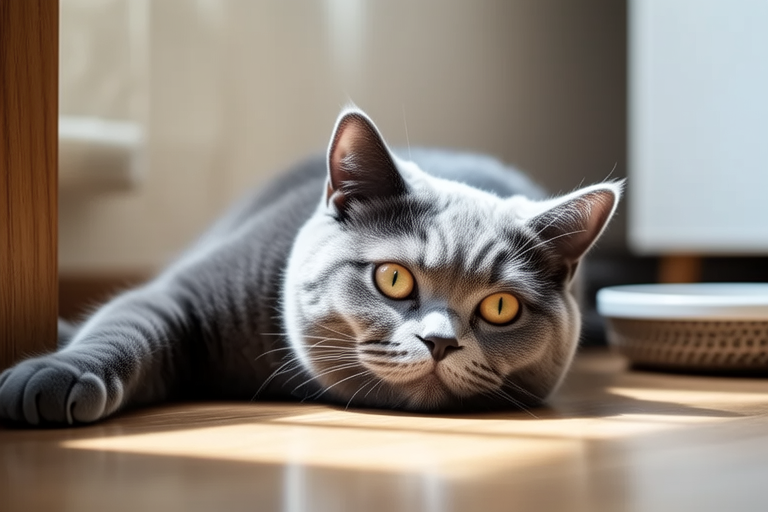
The Complete Guide to Caring for Your American Shorthair at Home
Welcome to the comprehensive guide designed to help you provide the best care for your American Shorthair cat. Whether you’re a first-time owner or an experienced cat lover, this guide will cover everything from dietary needs to health considerations and much more.
Dietary Needs
Feeding your American Shorthair the right diet is crucial for their overall health and longevity. These cats require a balanced diet that includes proteins, fats, carbohydrates, vitamins, and minerals. High-quality commercial cat foods are usually sufficient, but always check the ingredients list for high-quality protein sources like chicken, turkey, or fish. Avoid foods with fillers or by-products. Consult your veterinarian for personalized advice, especially if your cat has any dietary restrictions or allergies.
American Shorthairs are prone to obesity, so portion control is key. Feed them according to their age, weight, and activity level. Provide fresh water at all times, and consider wet food options to increase hydration. Treats should be given sparingly to avoid excessive weight gain. Rotate different flavors to keep meals interesting and prevent picky eating habits.
Grooming Tips
Despite their short fur, American Shorthairs still need regular grooming to maintain a healthy coat and skin. Brush them once or twice a week to remove loose hair and distribute natural oils. This also helps reduce shedding and hairballs. Use a soft-bristled brush or a rubber grooming glove. During shedding seasons, increase the frequency to twice daily.
Bathing your American Shorthair is generally unnecessary unless they get very dirty. Over-bathing can strip their coat of natural oils, leading to dry skin and dandruff. If you do bathe them, use a mild, pH-balanced shampoo specifically formulated for cats. Dry them thoroughly to prevent chills.
Clean their ears weekly with a cotton ball and a gentle ear-cleaning solution recommended by your vet. Trim their nails every two weeks or as needed. Pay attention to their teeth; brushing them regularly with a cat-safe toothpaste can prevent dental diseases. Schedule routine veterinary check-ups to monitor their oral health.
Exercise Requirements
American Shorthairs are relatively active and playful, so providing ample opportunities for physical activity is important. Interactive toys like feather wands or laser pointers encourage running and pouncing. Puzzle feeders stimulate mental engagement while satisfying their appetite.
Designate a safe space for climbing and jumping, such as a cat tree or shelves. Encourage play sessions to promote agility and strength. Regular exercise helps maintain a healthy weight and reduces the risk of obesity-related conditions. Rotate toys to keep your cat engaged and interested.
Health Considerations
American Shorthairs are generally healthy cats, but certain genetic predispositions warrant vigilance. They are susceptible to hypertrophic cardiomyopathy (HCM), a heart condition that can lead to sudden death. Early detection through regular veterinary exams and echocardiograms is vital. Monitor your cat for signs of HCM, including lethargy, difficulty breathing, or fainting spells.
Polycystic kidney disease (PKD) is another concern. This inherited disorder causes cysts to develop in the kidneys, potentially leading to renal failure. Screening tests can identify PKD early, allowing for proactive management. Keep vaccinations up-to-date to protect against common feline illnesses. Spaying or neutering prevents reproductive cancers and unwanted litters.
Behavioral Insights
American Shorthairs are known for their calm and gentle demeanor. They adapt well to various living situations and thrive with companionship. Socialize them early to foster confidence and good behavior. Provide scratching posts to redirect clawing instincts away from furniture. Reward positive behaviors with treats or praise to reinforce desirable actions.
These cats enjoy interactive play and may become destructive if bored. Engage them with puzzle toys or training sessions. They are generally independent but still crave affection. Spend quality time petting, cuddling, or playing to strengthen your bond. Establish a consistent routine to provide a sense of security and predictability.
Selecting Appropriate Toys
Toys that mimic hunting activities appeal to American Shorthairs’ instincts. Choose feather wands, laser pointers, or interactive toys that encourage stalking and pouncing. Balls or puzzle feeders stimulate problem-solving skills. Rotate toys periodically to maintain interest and prevent boredom. Avoid small objects that could be swallowed or sharp items that might cause injury.
Maintaining Their Environment
Create a comfortable and stimulating environment for your American Shorthair. Provide a litter box in a quiet area, cleaned daily to encourage proper usage. Offer multiple resting spots, including cozy beds or elevated perches. Install window perches to enjoy outdoor views safely. Ensure access to vertical spaces for climbing and exploring. Place scratching posts in strategic locations to preserve furniture.
Addressing Common Health Issues
Obesity is a prevalent issue among American Shorthairs. Monitor your cat’s weight and adjust feeding portions accordingly. Encourage regular exercise through playtime and interactive toys. Dental problems can lead to discomfort and other health issues. Brush your cat’s teeth regularly and schedule routine cleanings with your veterinarian.
Eye infections are common due to tear staining. Clean around the eyes gently with a damp cloth and consult your vet for treatment options. Ear infections can be painful and affect hearing. Check ears weekly for redness, discharge, or odor. Address any issues promptly to prevent complications.
Conclusion
Caring for an American Shorthair requires attention to detail and commitment. By understanding their dietary needs, grooming routines, exercise requirements, and health considerations, you can ensure a long, happy life for your beloved companion. Remember, each cat is unique, so tailor your approach based on individual preferences and needs. With love, patience, and proper care, you’ll enjoy many years of companionship with your American Shorthair.
