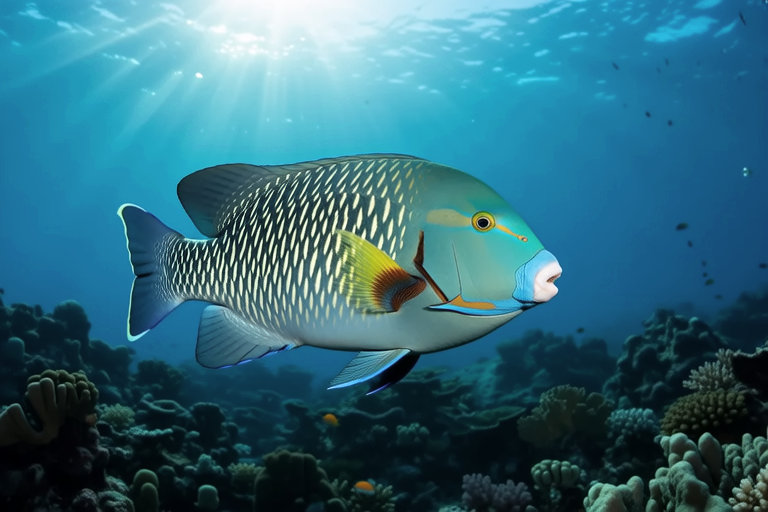
The Brightest Fish in the Sea: Parrot Fish
When it comes to dazzling ocean creatures, few can match the brilliance of the parrot fish. These tropical wonders are not only visually stunning but also play crucial roles in maintaining the health of coral reefs. Dive into the world of these fascinating fish and discover why they are considered some of the brightest and most unique inhabitants of the sea.
Vibrant Coloration
Parrot fish are renowned for their striking and varied color schemes, which range from bright yellows and blues to deep purples and greens. Their vivid hues serve multiple purposes, including camouflage, attracting mates, and warding off predators. The male parrot fish, in particular, exhibits more elaborate and intense coloring compared to their female counterparts. This remarkable display of colors is achieved through specialized chromatophores, cells that reflect light in various ways, creating the illusion of a living rainbow swimming beneath the waves.
Behavioral Habits
Parrot fish have distinct behavioral patterns that set them apart from other marine species. They are primarily diurnal, meaning they are most active during the day, and spend much of their time grazing on algae and coral polyps. Their feeding habits are not only essential for their survival but also contribute significantly to the maintenance of coral reef ecosystems. Parrot fish use their strong beaks to scrape algae off rocks and coral, effectively pruning the reef and promoting the growth of new coral colonies.
In addition to their feeding behaviors, parrot fish are known for their social interactions. Many species form schools, especially when juveniles, providing protection against predators. As they mature, they tend to become more solitary or pair up with a mate. During mating season, males engage in elaborate courtship rituals, showcasing their vibrant colors and performing intricate dances to attract females.
Ecological Role Within Coral Reefs
Parrot fish play a vital role in maintaining the balance of coral reef ecosystems. By consuming large amounts of algae, they prevent overgrowth, which could otherwise smother and kill corals. This activity helps to ensure that coral reefs remain healthy and vibrant. Moreover, their feeding habits result in the production of sand. As they digest coral and algae, their excretions contribute to the formation of fine particles that eventually settle on the ocean floor, contributing to the creation of beaches and islands.
Their presence is also crucial for the biodiversity of coral reefs. By keeping algae under control, parrot fish help create an environment where various species of fish, invertebrates, and plants can thrive. Without their constant grazing, coral reefs would likely experience significant degradation, threatening the livelihoods of millions of people who depend on these ecosystems for food, income, and coastal protection.
Dietary Preferences
Parrot fish are herbivorous, primarily feeding on algae and small invertebrates. Their diet consists mainly of filamentous and turf algae, which they scrape from rocks and coral surfaces using their strong beaks. Some species also consume coral polyps, though this is less common. Their feeding habits are highly efficient, allowing them to extract maximum nutrition from their plant-based diet. This efficiency is partly due to their specialized digestive systems, which include gizzard-like structures that help break down tough plant matter.
While their primary diet is plant-based, some parrot fish species occasionally supplement their meals with small invertebrates such as sea urchins and crustaceans. This omnivorous tendency reflects the adaptability of these fish in response to environmental changes and food availability. Despite their varied diet, parrot fish remain primarily herbivores, contributing significantly to the overall health of coral reefs.
Fascinating Sleeping Behavior Involving Mucous Bubbles
One of the most intriguing aspects of parrot fish biology is their nocturnal sleeping behavior. Before retiring for the night, many species secrete a protective mucous cocoon around themselves. This mucus, produced by specialized glands near their gills, serves as a barrier against potential predators and parasites. The cocoon not only conceals the fish’s scent but also neutralizes the fish’s taste, making it less appealing to nocturnal hunters like moray eels and groupers.
The process of creating the mucous bubble is both fascinating and complex. Parrot fish start by secreting the mucus in layers, gradually building up a protective envelope around their bodies. Once the cocoon is complete, the fish retreat into it, effectively hiding themselves from view. This nightly ritual is believed to have evolved as a defense mechanism, helping parrot fish survive in environments where they are vulnerable to predation during the dark hours.
Conservation Status and Threats
Despite their importance to marine ecosystems, parrot fish face numerous threats, including overfishing, habitat destruction, and climate change. Overfishing has led to significant declines in some populations, particularly in areas where they are targeted for their colorful scales and meat. Habitat destruction, often caused by human activities such as coastal development and pollution, further exacerbates the problem by reducing the available resources and shelter for these fish.
Climate change poses another significant challenge, as rising sea temperatures and increased acidity levels can harm coral reefs, which are essential habitats for parrot fish. To address these issues, conservation efforts are underway, focusing on sustainable fishing practices, marine protected areas, and raising awareness about the importance of preserving coral reef ecosystems. By protecting parrot fish and their habitats, we can help ensure the continued health and diversity of our oceans.
Conclusion
The parrot fish is a true marvel of nature, combining beauty with functionality in ways that few other marine creatures can match. Their vibrant coloration, unique behavioral habits, and critical ecological roles make them stand out as one of the brightest and most important fish in the sea. By understanding and appreciating these fascinating creatures, we can better protect them and the ecosystems they inhabit. As we continue to explore the depths of our oceans, let us remember the vital role that parrot fish play in maintaining the delicate balance of life beneath the waves.
