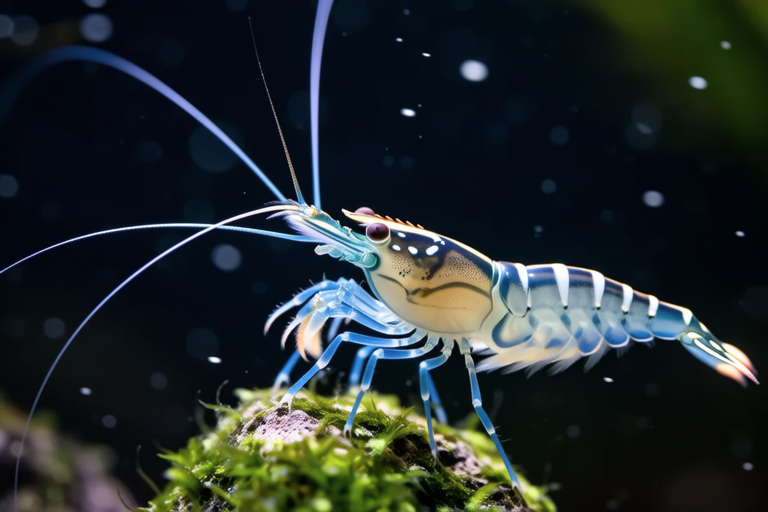
Feeding Tips For A Happy And Healthy Coral Shrimp
Welcome to this comprehensive DIY guide on feeding your coral shrimp. Whether you’re a beginner or an experienced aquarist, this guide will provide you with all the information you need to ensure your coral shrimp live long, healthy, and colorful lives.
Understanding Coral Shrimp’s Dietary Needs
Coral shrimp, also known as Stenopus hispidus, are small crustaceans that are popular in marine aquariums due to their vibrant colors and interesting behavior. To maintain their health and longevity, it’s crucial to understand their dietary needs.
Wild coral shrimp feed on a variety of foods, including detritus, algae, microorganisms, and small invertebrates. In captivity, they require a balanced diet that mimics their natural food sources. This means providing them with a mix of protein-rich foods, algae, and other supplements to ensure they get all the nutrients they need.
Recommended Food Types
Protein-Rich Foods
Coral shrimp are omnivorous and need a good source of protein. Here are some protein-rich foods you can offer:
- Brine Shrimp: These are rich in omega-3 fatty acids and essential amino acids. They can be purchased frozen or live.
- Daphnia: Another excellent source of protein, daphnia are tiny crustaceans that are easy for coral shrimp to consume.
- Mysis Shrimp: Similar to brine shrimp, these are high in protein and beneficial for shrimp growth.
- Frozen or Freeze-Dried Bloodworms: These are rich in iron and other minerals that are important for coral shrimp.
- Flake Food: High-quality flake foods designed for marine fish and invertebrates are a convenient option.
Algae-Based Foods
In addition to protein, coral shrimp also benefit from algae-based foods:
- Spirulina-Based Flakes: Spirulina is a type of blue-green algae that is rich in vitamins and minerals. It can help enhance the coloration of coral shrimp.
- Alginate Pellets: These are made from seaweed and can be a good source of fiber and other nutrients.
- Blanched Nori Sheets: Nori is a type of seaweed that can be blanched and fed to coral shrimp.
Vitamins and Supplements
To ensure your coral shrimp receive all necessary nutrients, consider adding vitamin supplements to their diet:
- Beta-Carotene: This supplement can enhance the red and orange pigments in coral shrimp.
- Zinc and Iron: These minerals are important for overall health and can be found in many commercial supplements.
Portion Sizes and Feeding Frequency
Proper portion control is key to maintaining the health of your coral shrimp. Overfeeding can lead to poor water quality, while underfeeding can result in malnutrition.
Portion Sizes
The amount of food you should give depends on the number of shrimp in your tank and their size. As a general rule:
- For smaller tanks (under 20 gallons), feed about 1-2 teaspoons of food per day.
- For larger tanks (20-50 gallons), increase the amount proportionally.
Always start with a small amount and gradually increase if you notice the shrimp eating more. Monitor the tank for uneaten food, which can degrade water quality.
Feeding Frequency
Coral shrimp should be fed daily. However, avoid overfeeding. It’s better to feed small amounts several times a day rather than one large feeding. This approach helps prevent excess waste and promotes better digestion.
Tips for Maintaining Water Quality
Water quality is critical for the health of your coral shrimp. Poor water conditions can lead to stress, disease, and even death. Here are some tips to keep your tank’s water clean:
Regular Water Changes
Perform regular partial water changes to remove accumulated waste and toxins. Aim for a 10-20% water change every week.
Proper Filtration
A good filtration system is essential for removing debris and maintaining water clarity. Choose a filter that suits the size of your tank and provides mechanical, chemical, and biological filtration.
Beneficial Bacteria
Beneficial bacteria play a crucial role in breaking down waste products and maintaining nitrogen balance. Use bacterial supplements to establish and maintain a healthy microbial population in your tank.
Monitor Water Parameters
Regularly test your tank’s water parameters, including ammonia, nitrite, nitrate, pH, and salinity. Keep these within optimal ranges for coral shrimp:
- Ammonia: 0 ppm
- Nitrite: 0 ppm
- Nitrate: Below 20 ppm
- pH: 8.1-8.4
- Salinity: 1.020-1.025 specific gravity
How Different Foods Affect Growth and Coloration
The type of food you provide can significantly impact the growth and coloration of your coral shrimp. Here’s how different foods can influence their appearance:
Enhancing Coloration
Several foods can help bring out the vibrant colors of coral shrimp:
- Spirulina: As mentioned earlier, spirulina can enhance the red and orange pigments in shrimp.
- Carotenoids: These compounds, found in algae and some animal foods, can improve coloration.
Promoting Growth
To promote healthy growth, focus on providing a balanced diet rich in protein and essential nutrients:
- High-Quality Flake Foods: These provide a wide range of nutrients and are easy for shrimp to consume.
- Vitamin Supplements: Regular supplementation with vitamins can support overall health and growth.
Conclusion
Feeding your coral shrimp properly is vital for their health and well-being. By understanding their dietary needs and providing a balanced diet, you can ensure they thrive in your aquarium. Remember to monitor water quality closely and adjust feeding schedules as needed. With proper care, your coral shrimp will remain vibrant and active for years to come.
