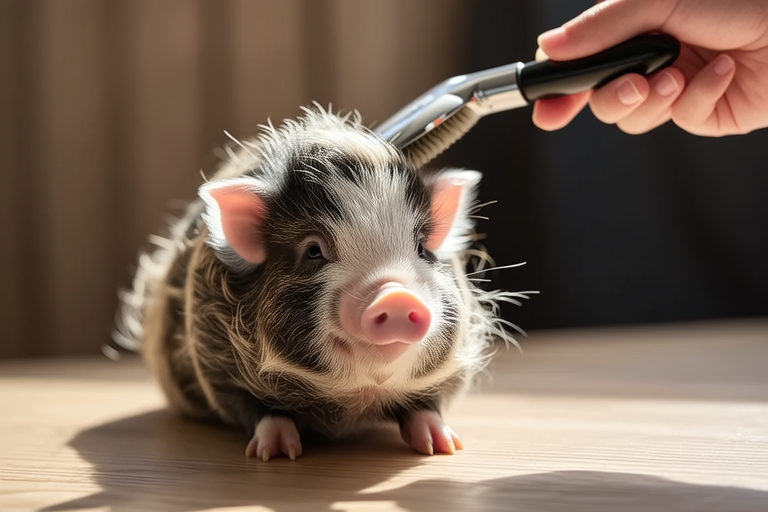
Guinea Pig Grooming: Tips and Tricks for Happy Pets
Welcome to our guide on guinea pig grooming! Guinea pigs, also known as cavies, are delightful pets that require proper care and attention to stay healthy and happy. Regular grooming is an essential part of this care routine. This article will cover everything you need to know about grooming your guinea pig, from the importance of it to practical tips and tricks that can help make the experience enjoyable for both you and your pet.
The Importance of Regular Grooming
Regular grooming is crucial for maintaining your guinea pig’s health and well-being. It helps keep their coat clean and free from mats, prevents skin issues, and ensures that their nails and teeth are at a healthy length. Grooming is also a great way to bond with your pet and monitor their overall health. By regularly checking your guinea pig during grooming sessions, you can catch any potential health issues early on.
Tools Needed for Grooming
To effectively groom your guinea pig, you’ll need some basic tools:
- Soft-bristled brush: This helps remove loose hair and prevent matting.
- Combs: Fine-tooth combs are useful for removing tangles and debris from your guinea pig’s fur.
- Nail clippers: These are necessary for trimming your guinea pig’s nails to avoid overgrowth.
- Teeth trimmers: For trimming overgrown teeth, if necessary.
- Washcloth: Use a soft washcloth to gently clean your guinea pig’s face and paws.
- Brushes for sensitive areas: Some guinea pigs may require specialized brushes for delicate areas around the eyes and ears.
- Coconut oil: This can be used as a natural conditioner to keep the fur soft and shiny.
Step-by-Step Grooming Process
Grooming your guinea pig doesn’t have to be stressful. Follow these steps to make the process smooth and enjoyable:
- Start with a gentle approach: Before you begin, let your guinea pig get comfortable with you handling them. Spend a few minutes petting and talking to them to establish trust.
- Brush the coat: Using a soft-bristled brush, gently brush your guinea pig’s fur in the direction it grows. Pay extra attention to areas where mats might form, such as behind the ears and under the legs.
- Check for tangles: If you find any tangles, use a fine-tooth comb to carefully work them out. Be patient and gentle to avoid causing discomfort.
- Trim nails: Hold your guinea pig securely and use nail clippers to trim their nails. Avoid cutting too close to the quick, which can cause bleeding and pain. If you’re unsure, consult a veterinarian.
- Inspect teeth: Check your guinea pig’s teeth for signs of overgrowth. If they appear too long, consider using a tooth file or seeking professional help.
- Clean the face and paws: Use a damp washcloth to gently wipe your guinea pig’s face and paws. Be careful not to get water into their ears or eyes.
- Reward and praise: After grooming, offer treats and lots of praise to reinforce positive behavior.
Common Issues and Solutions
One of the most common issues with guinea pigs is overgrown teeth. This can lead to dental problems and discomfort. To prevent this, ensure your guinea pig has access to hay, which naturally wears down their teeth. Overgrown nails can also be problematic, leading to painful walking and difficulty grooming themselves. Regular nail trims are essential.
Dietary Considerations Affecting Coat Health
A balanced diet is key to maintaining a healthy coat. Provide your guinea pig with high-quality hay, fresh vegetables, and a limited amount of pellets. Vitamin C is particularly important, as guinea pigs cannot produce it themselves. Include foods rich in vitamin C, such as bell peppers, strawberries, and oranges. Avoid sugary fruits and excess carbohydrates, which can lead to obesity and poor coat condition.
Signs of Skin Problems
It’s important to be aware of signs that may indicate skin issues in your guinea pig. Look for redness, itching, bald patches, or excessive scratching. These could be signs of mites, allergies, or other conditions. If you notice any of these symptoms, consult a veterinarian for proper diagnosis and treatment.
Making Grooming a Positive Experience
Grooming should be a positive and bonding experience for both you and your guinea pig. Here are some tips to make it more enjoyable:
- Create a comfortable environment: Choose a quiet, calm space for grooming sessions. Ensure the area is warm and free from drafts.
- Use treats: Offer small treats during grooming to associate the activity with positive reinforcement.
- Be gentle: Always handle your guinea pig with care and respect. Speak softly and move slowly to avoid startling them.
- Keep sessions short: Limit grooming sessions to 10-15 minutes to prevent fatigue or stress.
- Practice patience: Take your time and be patient. Guinea pigs respond well to calm and consistent handling.
In conclusion, regular grooming is vital for keeping your guinea pig healthy and happy. With the right tools, techniques, and a little patience, you can create a positive grooming routine that benefits both you and your pet. By following the tips outlined in this guide, you’ll be well-equipped to provide the best care for your guinea pig and enjoy many happy moments together.
