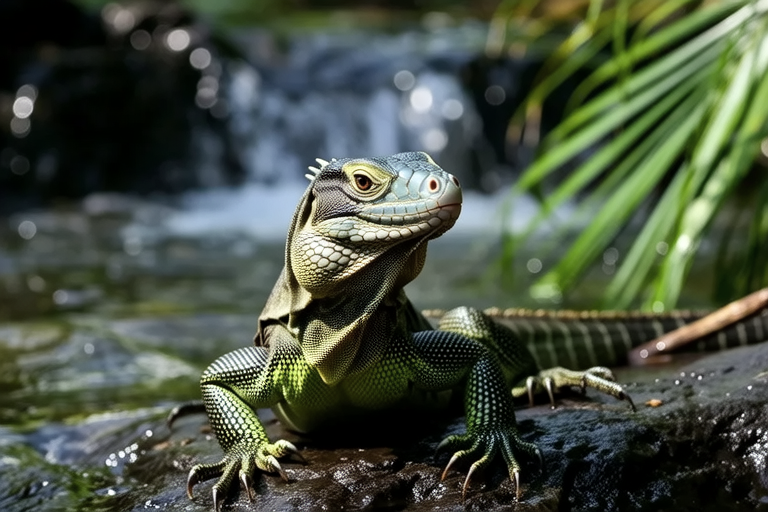
The Aquatic Marvel: Discovering the Unique World of Water Monitors
Water monitors (Varanus salvator) are among the most fascinating reptiles in the world, renowned for their impressive size, agility, and unique adaptations to their aquatic environment. These lizards are found in Southeast Asia, where they thrive in diverse habitats from mangrove swamps to freshwater streams. This article delves into the distinct characteristics, behaviors, and habitats of water monitors, providing an engaging exploration of these aquatic marvels.
Physical Adaptations for Aquatic Life
Water monitors are perfectly adapted for life in and around water. They possess powerful limbs and sharp claws that enable them to dig burrows, climb trees, and swim efficiently. Their long tails act as rudders, allowing them to maneuver through water with ease. The skin of water monitors is highly flexible, which aids in diving and swimming. Additionally, their nostrils are positioned high on their snouts, enabling them to breathe while partially submerged. These features make water monitors formidable predators in both terrestrial and aquatic environments.
Dietary Habits
Water monitors are opportunistic omnivores, feeding on a wide variety of prey. Their diet primarily consists of fish, amphibians, small mammals, birds, and insects. They also consume fruits and eggs, showcasing their adaptability. Water monitors have excellent eyesight and a keen sense of smell, which they use to locate prey. Their strong jaws and sharp teeth allow them to tackle large prey items, making them apex predators in many ecosystems.
Social Behaviors
Water monitors are generally solitary animals, but they can exhibit complex social behaviors. Males engage in ritualized combat during the breeding season, competing for mates by biting and grappling. Females lay clutches of up to 40 eggs, which they bury in nests or termite mounds. After hatching, young water monitors are independent and fend for themselves. Despite their solitary nature, water monitors have been observed sharing basking spots, indicating a level of tolerance towards each other.
Habitats and Conservation Status
Water monitors inhabit a range of environments, including tropical forests, grasslands, and wetlands. They are particularly abundant in areas with abundant water sources, such as rivers, lakes, and coastal regions. Unfortunately, due to habitat destruction, hunting, and the illegal pet trade, water monitors face significant threats to their survival. Conservation efforts are crucial to ensure the continued existence of these remarkable creatures.
Interesting Facts and Myths
One common myth about water monitors is that they are venomous. While they do have mildly toxic saliva, they are not venomous in the true sense. Another misconception is that water monitors are aggressive towards humans. In reality, they tend to avoid human contact and only become defensive when threatened. Water monitors are known for their intelligence, often outwitting traps set by poachers. Their ability to recognize individual humans has been documented, demonstrating their cognitive capabilities.
The Importance of Understanding and Preserving Natural Environments
Understanding the intricate lives of water monitors highlights the importance of preserving their natural environments. By protecting the habitats of water monitors, we ensure the survival of these remarkable creatures and maintain the ecological balance of their ecosystems. Conservation initiatives, such as reforestation projects and anti-poaching measures, play a vital role in safeguarding water monitors and other wildlife.
Closing Thoughts
The aquatic marvel of water monitors is a testament to the wonders of nature. With their unique adaptations, diverse diets, and complex behaviors, these lizards offer a window into the rich biodiversity of Southeast Asia. By appreciating and understanding water monitors, we can foster a greater appreciation for the natural world and the importance of conservation efforts. Let us strive to protect these magnificent creatures and the environments they call home.
